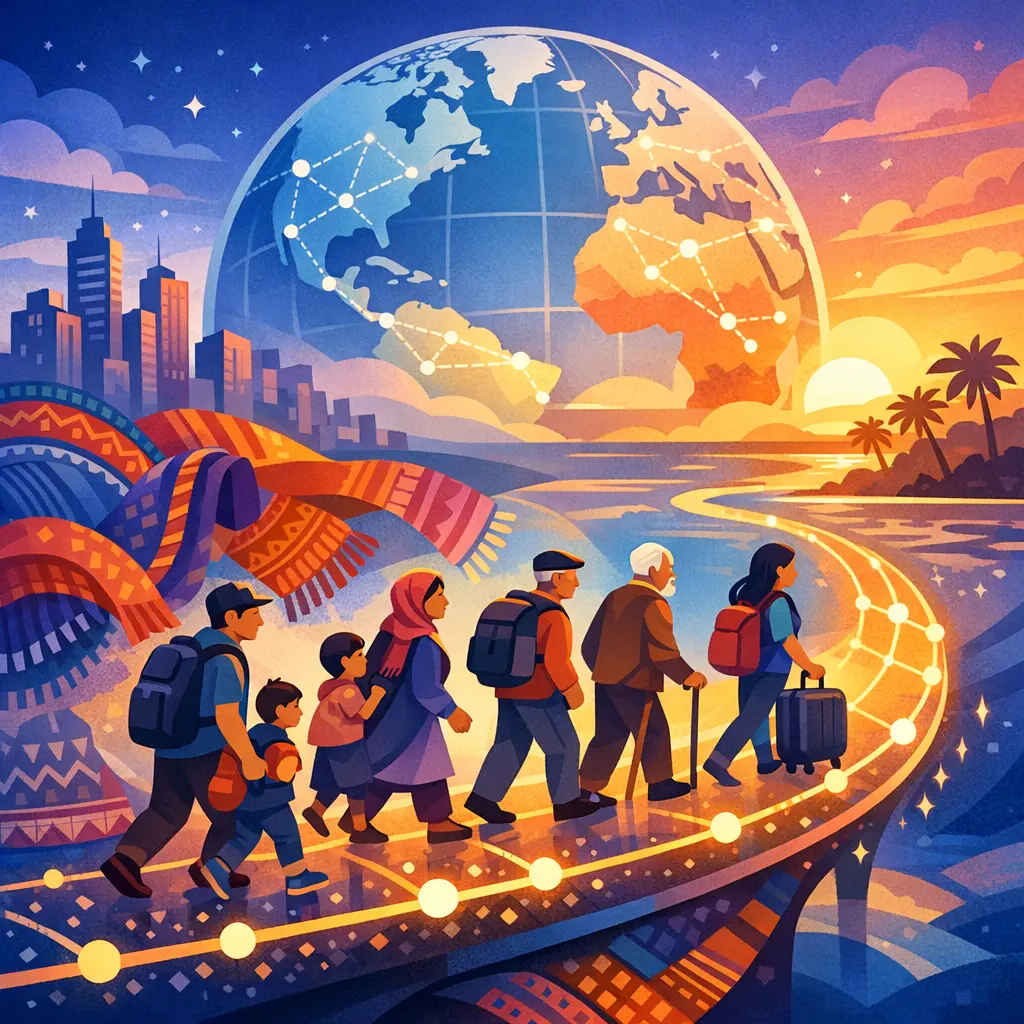
The phrase "Climate, Ecology & Environmental Cultures (Culture, Religion & Society)" refers to the interconnected study of how climate and ecological systems influence and are influenced by human cultures, beliefs, and social structures. It explores the ways in which cultural values, religious practices, and societal norms shape people's understanding of and interactions with the environment, highlighting the importance of integrating cultural perspectives into environmental discussions and solutions.
Climate, Ecology & Environmental Cultures
The phrase "Climate, Ecology & Environmental Cultures (Culture, Religion & Society)" refers to the interconnected study of how climate and ecological systems influence and are influenced by human cultures, beliefs, and social structures. It explores the ways in which cultural values, religious practices, and societal norms shape people's understanding of and interactions with the environment, highlighting the importance of integrating cultural perspectives into environmental discussions and solutions.
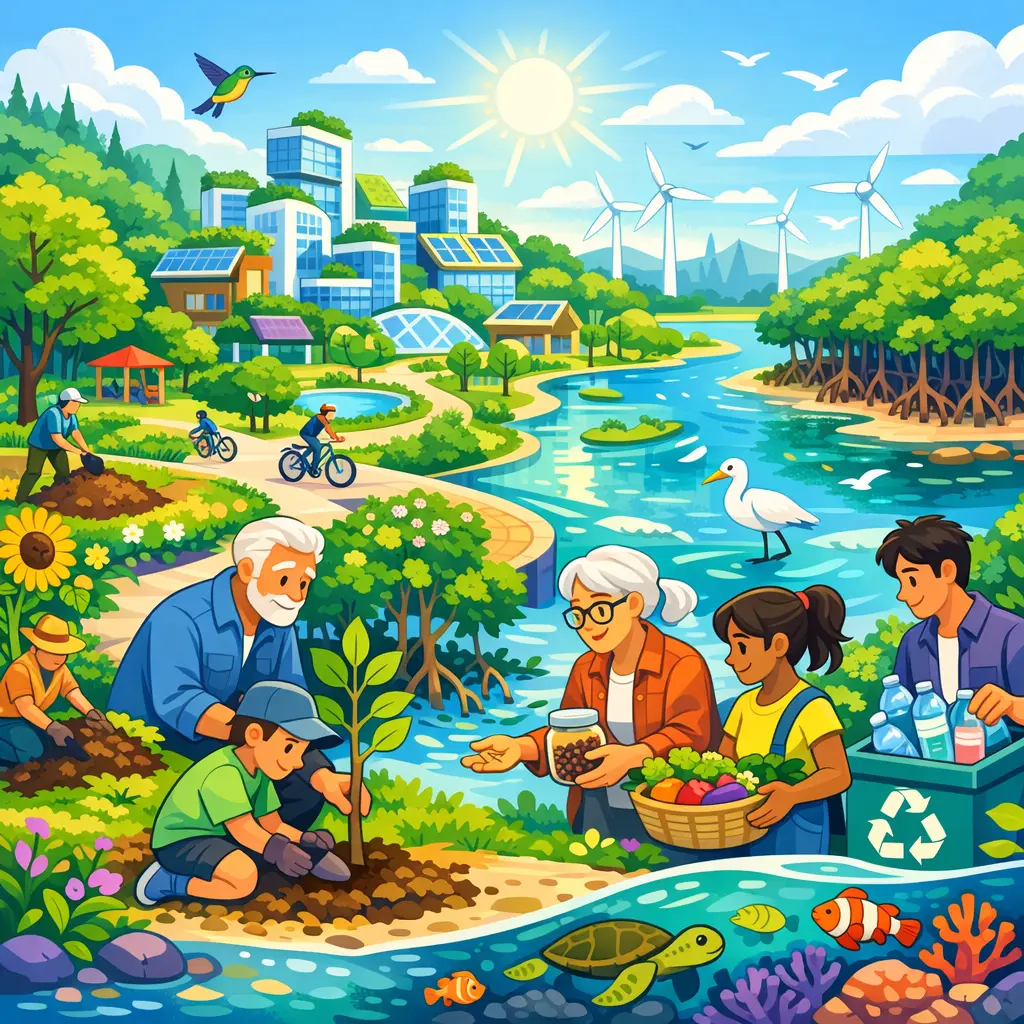
💡 Key Takeaways
- Understand how climate systems influence ecosystems, biodiversity, and ecological balance.
- Explore how cultural beliefs and practices shape environmental stewardship and actions against climate change.
- Identify the main drivers of climate change and their ecological impacts across different regions.
- Learn examples of community adaptation, resilience, and sustainable living to mitigate environmental challenges.
❓ Frequently Asked Questions
What is climate vs weather?
Climate is the long-term pattern of temperature, precipitation, and other conditions over years to decades. Weather is the short-term state of the atmosphere (minutes to days).
What is ecology?
Ecology is the science of how organisms interact with each other and their environment, including habitats, populations, and energy/matter flow in ecosystems.
What is biodiversity and why is it important?
Biodiversity is the variety of life in an area (genes, species, ecosystems). It supports services like pollination, clean water, food, climate regulation, and resilience.
What are sustainable practices in daily life?
Actions that reduce impact, such as saving energy, reducing waste, reusing and recycling, choosing lower-emission transport, and buying sustainable or local foods.
What does environmental culture mean?
Environmental culture refers to a society's values, norms, and practices that shape how people relate to the environment and support conservation and sustainable behavior.