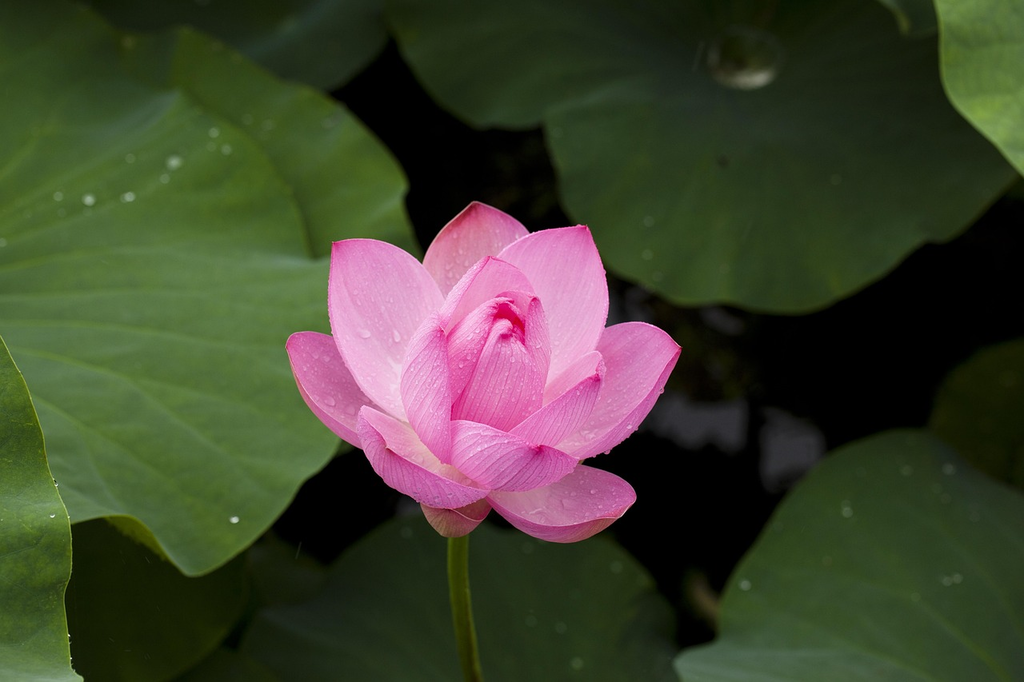
Climate greatly influences lotus growth and the blooming of flowers like roses and lotuses. Temperature, sunlight, and rainfall patterns determine the timing, size, and vibrancy of blooms. Lotuses thrive in warm, sunny conditions with stable water levels, while extreme heat, drought, or unseasonal frosts can stunt growth or reduce flowering. Similarly, roses depend on balanced climates for optimal blooming. Shifts in climate can disrupt these cycles, affecting both the health and beauty of these flowers.
Climate Impact on Lotus Growth
Climate greatly influences lotus growth and the blooming of flowers like roses and lotuses. Temperature, sunlight, and rainfall patterns determine the timing, size, and vibrancy of blooms. Lotuses thrive in warm, sunny conditions with stable water levels, while extreme heat, drought, or unseasonal frosts can stunt growth or reduce flowering. Similarly, roses depend on balanced climates for optimal blooming. Shifts in climate can disrupt these cycles, affecting both the health and beauty of these flowers.
💡 Key Takeaways
- Understand how temperature, light, and rainfall affect lotus growth and flowering.
- Learn how water depth and irrigation influence lotus health and tuber production.
- Explore how photoperiod and seasonal climate patterns shape lotus blooming cycles.
- Identify climate-related stresses on lotus (heat, cold, drought) and practical mitigation strategies.
❓ Frequently Asked Questions
Which climate factors affect lotus growth?
The most important factors are temperature (air and water), sunlight, and water availability. Seasonal patterns, frost risk, and extreme heat can also impact growth and flowering.
What water temperature range favors healthy lotus growth?
Lotus thrives in warm water, roughly 25–32°C. Growth slows below about 15–20°C, and prolonged cold can inhibit flowering or damage rhizomes.
How does light exposure influence lotus growth and flowering?
Lotus requires bright, consistent sunlight (ideally several hours per day). More light promotes stronger growth and flowering; insufficient light reduces flowering and can lead to slower growth.
What climate risks should lotus growers watch for?
Frost or freezing temperatures can kill rhizomes; drought lowers water levels and stresses plants; heavy rainfall can cause flooding and low oxygen; extreme heat can stress foliage.