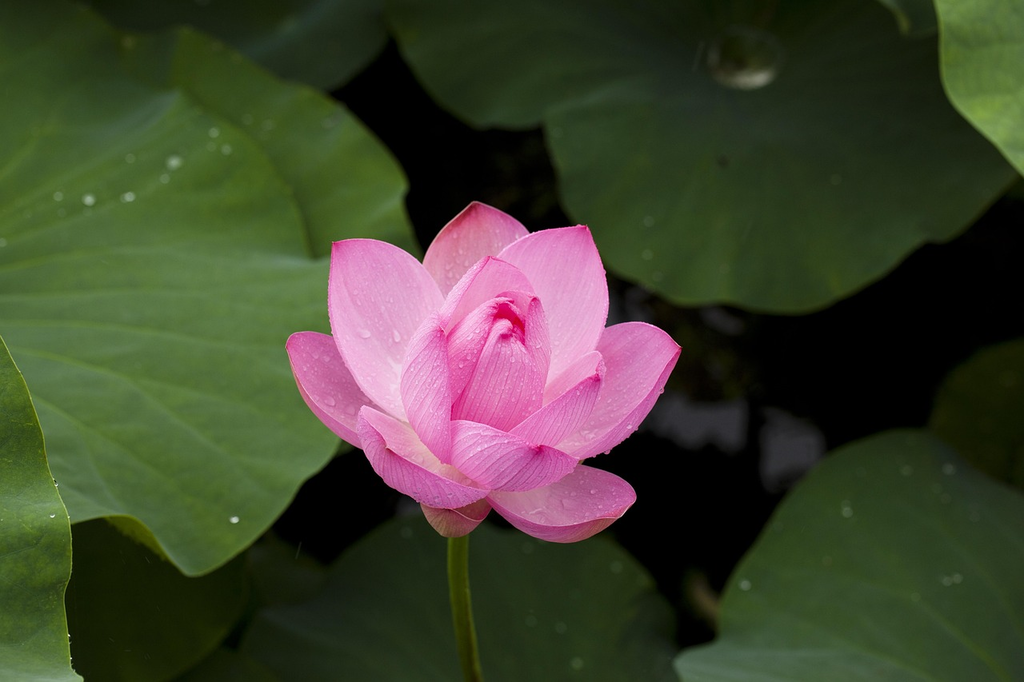
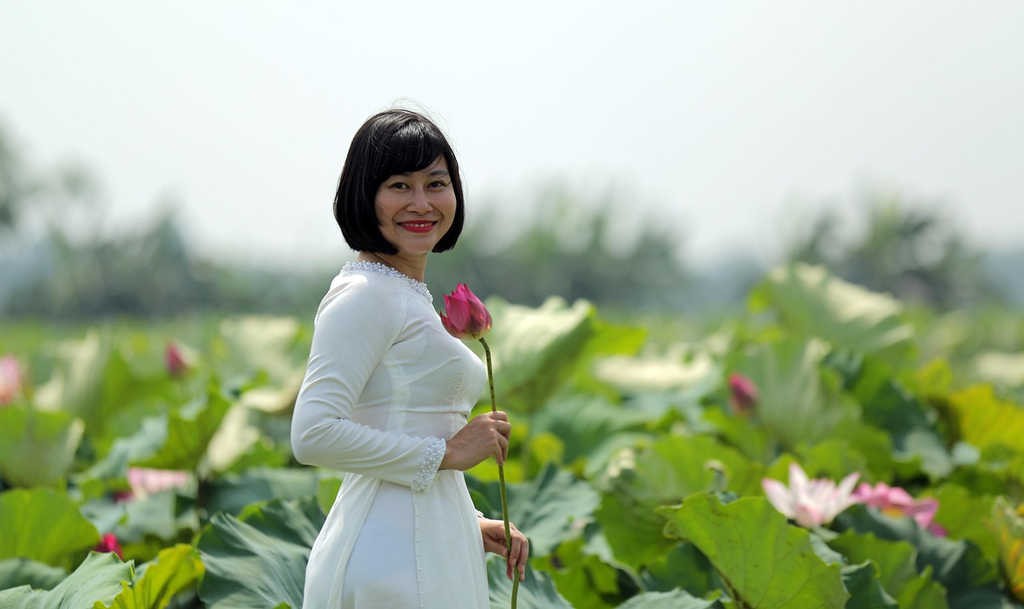
Climate significantly affects rose and lotus flower growth and blooming patterns. Temperature, humidity, and sunlight influence their flowering cycles, with optimal conditions promoting vibrant blooms. Extreme heat or cold can hinder growth, delay blooming, or cause bud drop. Adequate rainfall supports healthy development, while drought or excessive moisture may lead to diseases. Thus, climate changes directly impact the quality, quantity, and timing of rose and lotus flower blooms.
Climate Impact on Rose Growth
Climate significantly affects rose and lotus flower growth and blooming patterns. Temperature, humidity, and sunlight influence their flowering cycles, with optimal conditions promoting vibrant blooms. Extreme heat or cold can hinder growth, delay blooming, or cause bud drop. Adequate rainfall supports healthy development, while drought or excessive moisture may lead to diseases. Thus, climate changes directly impact the quality, quantity, and timing of rose and lotus flower blooms.

💡 Key Takeaways
- Understand how climate factors like temperature, rainfall, humidity, and sunlight influence rose growth and blooming.
- Identify optimal climate ranges for roses and how heat waves or frost stress plants.
- Learn how soil moisture and irrigation interact with climate to keep roses healthy through the seasons.
- Discover practical adaptation tips for climate variability, such as mulching, shading, wind protection, and choosing climate-appropriate rose varieties.
❓ Frequently Asked Questions
Which climate factors most affect rose growth?
Temperature, sunlight, precipitation, humidity, and soil conditions shape bud development, flowering, and disease risk; extreme conditions stress plants.
How does temperature influence rose growth and flowering?
Roses prefer moderate temperatures. Very high heat can reduce bloom size and delay flowering, while frost or sudden cold can damage buds and slow growth.
What is the role of light in a rose's response to climate?
Adequate light promotes strong growth and abundant blooms; too little light leads to leggy plants, while extreme heat with plenty of light can still stress the plant.
How do moisture and humidity affect roses in different climates?
Consistent soil moisture supports growth; drought stresses plants and delays blooms, while overwatering and high humidity increase disease risk (e.g., powdery mildew).
What are practical ways to mitigate climate challenges for roses?
Choose climate-tolerant varieties, plant in an appropriate site, use mulching and drip irrigation, provide shade during heatwaves, and protect buds from frost when needed.