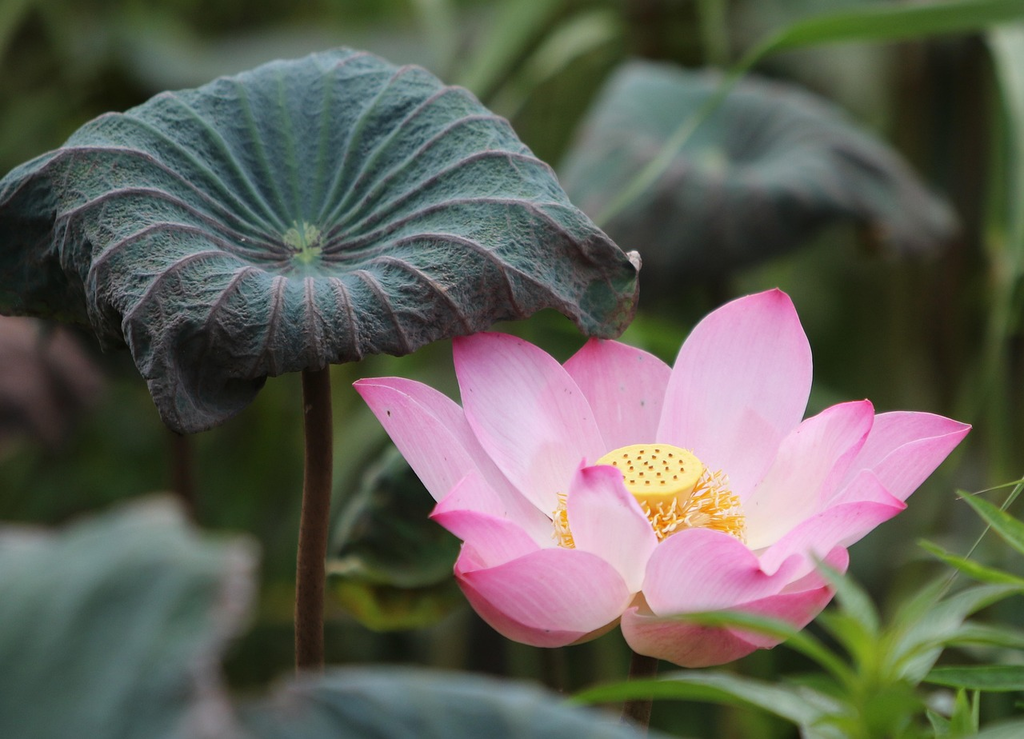
Genetic modification in lotuses involves altering their DNA to enhance desirable traits such as flower color, size, fragrance, or resistance to disease. By applying genetic engineering techniques similar to those used in roses, scientists can create lotus varieties with improved blooms, longer flowering periods, or novel colors. This process aims to expand the ornamental value and adaptability of lotuses, making them more appealing for horticultural and commercial purposes.
Genetic Modification in Lotuses
Genetic modification in lotuses involves altering their DNA to enhance desirable traits such as flower color, size, fragrance, or resistance to disease. By applying genetic engineering techniques similar to those used in roses, scientists can create lotus varieties with improved blooms, longer flowering periods, or novel colors. This process aims to expand the ornamental value and adaptability of lotuses, making them more appealing for horticultural and commercial purposes.

💡 Key Takeaways
- Understand what genetic modification means for lotus and how it differs from traditional breeding.
- Know the main methods used to genetically modify lotus (e.g., Agrobacterium-mediated transformation and genome editing) at a high level.
- Explore common goals of lotus genetic modification, such as disease resistance, stress tolerance, yield, and ornamental traits.
- Consider the ethical, regulatory, and ecological considerations surrounding GM lotus research and deployment.
❓ Frequently Asked Questions
What is genetic modification in lotus plants?
Genetic modification involves changing lotus DNA to alter traits such as growth, disease resistance, or flower characteristics using tools like gene editing or gene transfer.
What methods are used to modify lotus plants?
Common methods include CRISPR gene editing, Agrobacterium-mediated transformation, and biolistic (gene gun) delivery, usually followed by tissue culture to regenerate plants.
Why study genetic modification in lotus?
To improve traits like yield, resilience to pests and diseases, environmental tolerance, or ornamental qualities, and to advance understanding of lotus biology.
Are GM lotus varieties safe to consume and cultivate?
GM lotus varieties undergo safety and regulatory assessments; approvals depend on the country and the specific modification.
How is genetic modification different from traditional breeding in lotus?
Traditional breeding mixes existing genes through crossing, while genetic modification adds or edits genes directly for precise, often faster, changes.