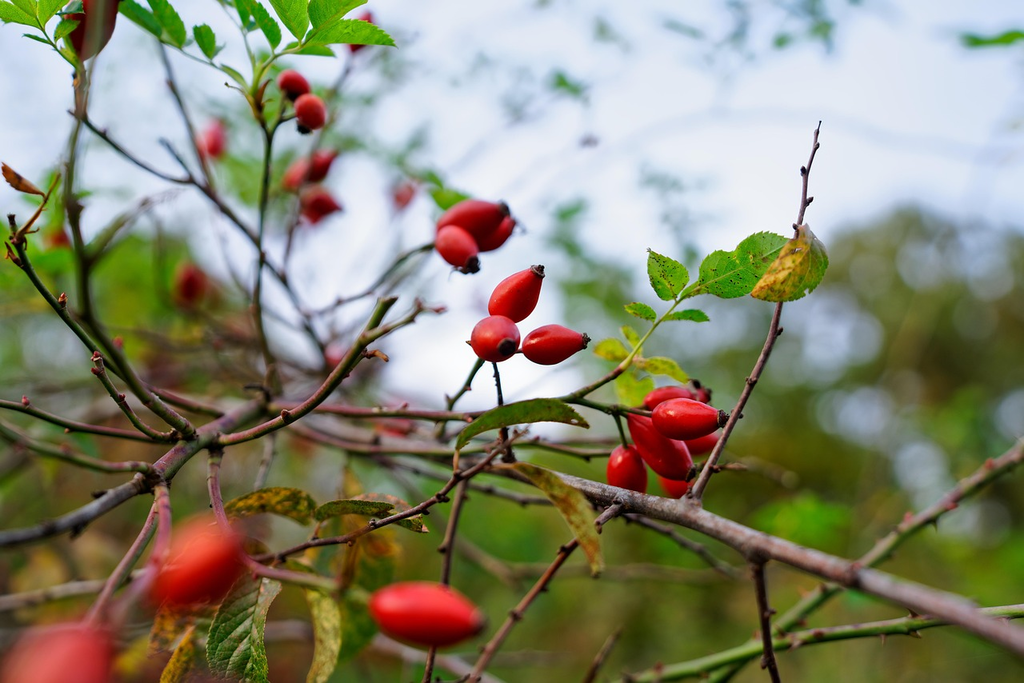
Soil composition significantly affects lotus and rose flower blooms by influencing water retention, nutrient availability, and root aeration. Lotuses thrive in nutrient-rich, clay-heavy soils that retain moisture, promoting robust growth and vibrant blooms. In contrast, roses prefer well-drained, loamy soils with balanced nutrients. Poor or unsuitable soil can stunt growth, reduce bloom quality, and increase susceptibility to disease. Thus, optimizing soil composition is essential for healthy, abundant lotus and rose flowering.
Impact of Soil Composition on Lotuses
Soil composition significantly affects lotus and rose flower blooms by influencing water retention, nutrient availability, and root aeration. Lotuses thrive in nutrient-rich, clay-heavy soils that retain moisture, promoting robust growth and vibrant blooms. In contrast, roses prefer well-drained, loamy soils with balanced nutrients. Poor or unsuitable soil can stunt growth, reduce bloom quality, and increase susceptibility to disease. Thus, optimizing soil composition is essential for healthy, abundant lotus and rose flowering.
💡 Key Takeaways
- Explain how soil pH and salinity affect lotus nutrient uptake and growth.
- Describe how substrate texture and drainage influence root oxygenation and tuber development.
- Identify how organic matter and soil fertility support lotus health and flowering.
- Compare pond mud and potting mixes to choose substrates that optimize lotus growth and blooms.
❓ Frequently Asked Questions
What soil mix is ideal for lotus plants in water gardens?
Use a heavy, clay-based pond soil or loamy clay enriched with organic matter. Avoid sandy or lightweight potting mixes that drain nutrients quickly; in containers, use a clay-heavy mix with compost to feed the rhizomes.
What pH range do lotuses prefer and why?
Lotuses prefer a slightly acidic to neutral pH, about 6.5–7.5. This range keeps essential nutrients available for uptake by the roots.
Which nutrients are most important for lotus growth and flowering?
Key nutrients are nitrogen (growth), phosphorus (roots and blooms), and potassium (overall vigor). Include micronutrients (e.g., iron) for healthy leaves. Avoid excessive nitrogen, which can promote foliage at the expense of flowers.
How does soil texture affect lotus health?
Heavy, nutrient-rich soil anchors rhizomes and stores nutrients; overly sandy soil drains too quickly and offers little nutrient retention. A balanced, clay-based substrate supports strong roots and more abundant blooms.