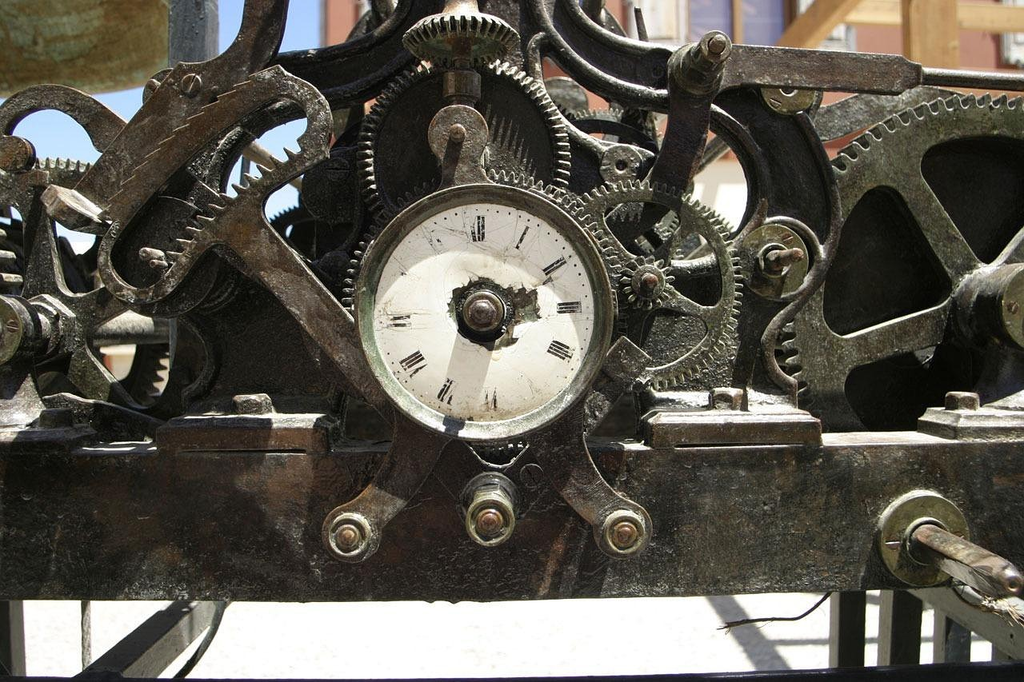
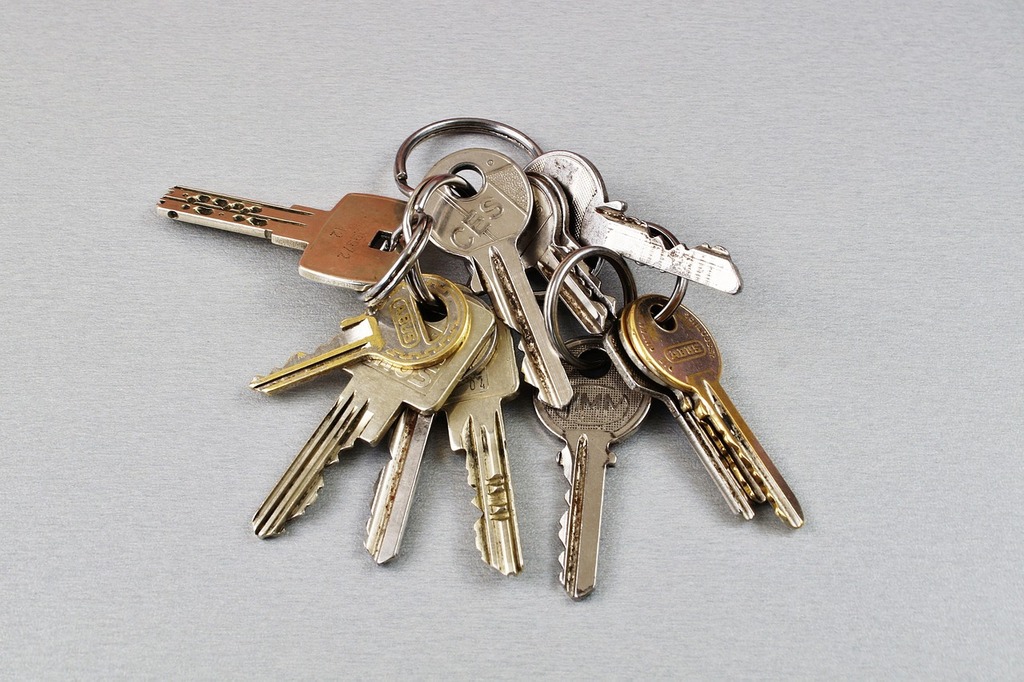
Clock Design Innovations in the realm of daily essentials focus on blending functionality with aesthetics, transforming traditional timepieces into modern art forms. These innovations incorporate advanced materials, smart technology, and ergonomic features, making clocks not just tools for timekeeping but also key elements of interior design. By integrating features like silent mechanisms, customizable displays, and multi-functional keys, these clocks enhance everyday convenience and style in contemporary living spaces.
Clock Design Innovations
Clock Design Innovations in the realm of daily essentials focus on blending functionality with aesthetics, transforming traditional timepieces into modern art forms. These innovations incorporate advanced materials, smart technology, and ergonomic features, making clocks not just tools for timekeeping but also key elements of interior design. By integrating features like silent mechanisms, customizable displays, and multi-functional keys, these clocks enhance everyday convenience and style in contemporary living spaces.
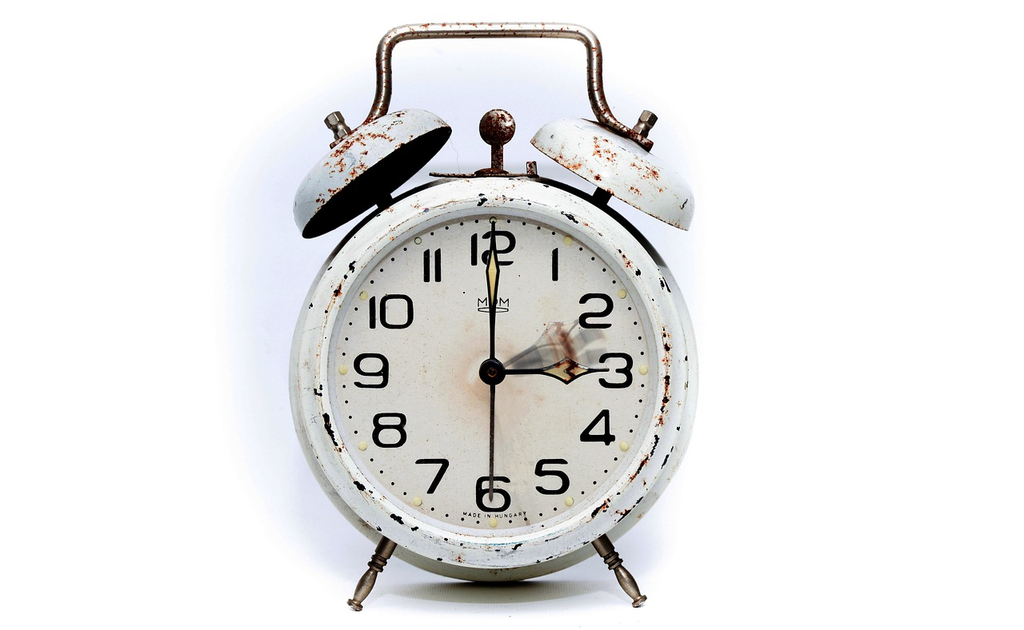
💡 Key Takeaways
- Recognize major milestones in clock design (mechanical, quartz, and atomic timekeeping).
- Understand how readability and ergonomics influence clock design (dial, numerals, hands, contrast).
- Compare digital versus analog clock interfaces and their design trade-offs.
- Identify modern innovations in clocks (smart features, modular displays, new materials, energy efficiency).
- Explain how design choices affect time-telling accuracy and user experience.
❓ Frequently Asked Questions
What counts as a clock design innovation?
Any improvement in appearance, readability, or mechanism—such as a new case design, dial layout, material, or movement feature that enhances how the clock looks or works.
What are some classic mechanical innovations that shaped clock design?
The pendulum and escapement regulate time; skeleton/open-work designs reveal the movement; and innovations like the tourbillon and regulator dials improved precision and aesthetics.
How have materials and display methods influenced clock design?
New materials and finishes (brass, enamel, ceramic, glass) offer different looks and durability; transparent cases and skeleton layouts showcase the movement; bold or minimalist dials improve readability.
What impact have digital and smart features had on clock design?
Digital displays, network synchronization, and smart functions (alarms, weather, app control) expand usefulness beyond traditional mechanical timekeeping.