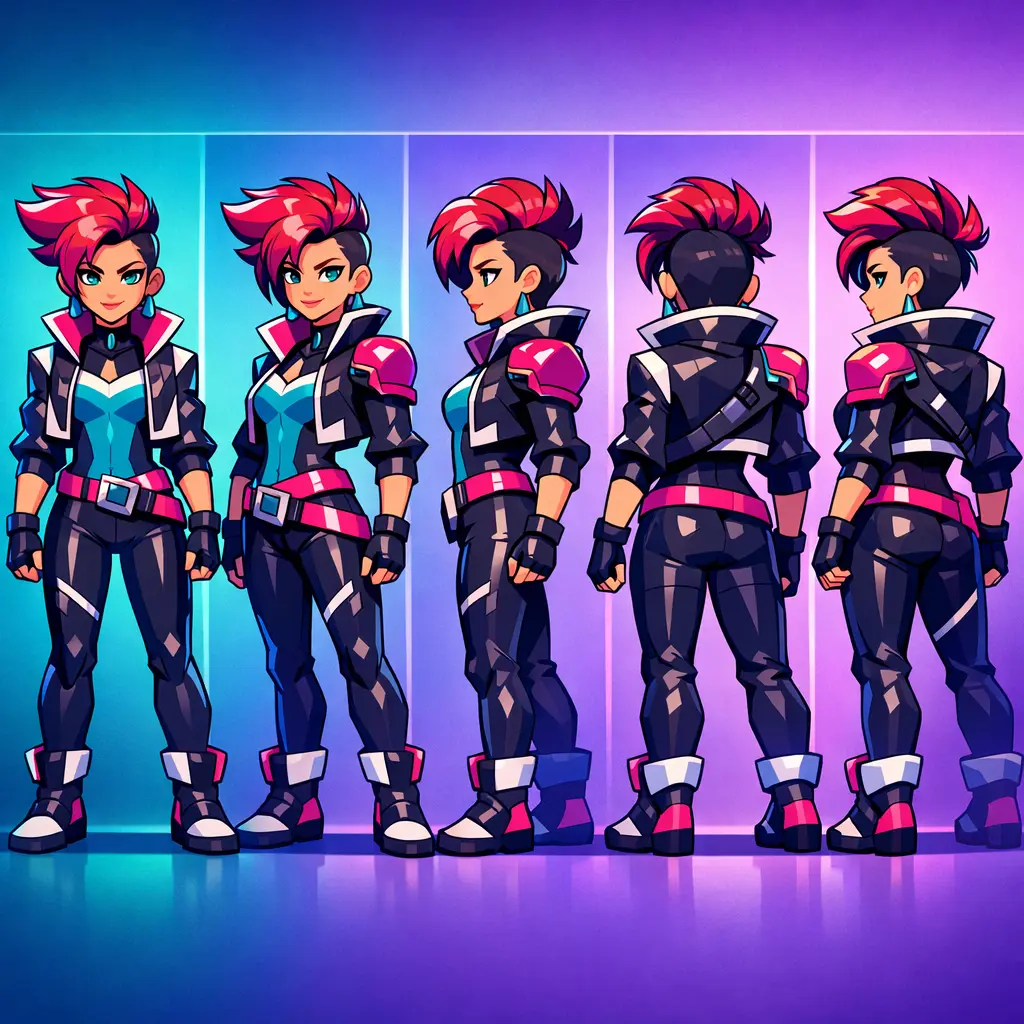
Colour harmony refers to the pleasing arrangement of colors, creating a sense of balance and visual appeal in art and design. It involves selecting colors that work well together based on color theory principles. Colour contrast, on the other hand, highlights differences between colors, making elements stand out and enhancing visual interest. Both concepts are essential in visual arts and design, influencing mood, focus, and overall composition effectiveness.
Colour Harmony & Contrast
Colour harmony refers to the pleasing arrangement of colors, creating a sense of balance and visual appeal in art and design. It involves selecting colors that work well together based on color theory principles. Colour contrast, on the other hand, highlights differences between colors, making elements stand out and enhancing visual interest. Both concepts are essential in visual arts and design, influencing mood, focus, and overall composition effectiveness.

💡 Key Takeaways
- Understand the colour wheel and common harmony schemes (complementary, analogous, triadic).
- Learn how to create visual contrast using value, saturation, and warm/cool relationships to guide attention.
- Apply accessibility considerations by ensuring sufficient colour contrast for text and UI elements.
- Practise selecting harmonious colour palettes for branding and design projects.
❓ Frequently Asked Questions
What is color harmony?
A pleasing balance of colors using relationships on the color wheel, often achieved with schemes like analogous, complementary, or triadic.
What is a complementary color pair?
Colors opposite each other on the color wheel; they create strong contrast and make each other appear more vivid.
Which color scheme uses adjacent hues on the color wheel to create a calm, cohesive look?
Analogous color scheme.
How do color value and saturation influence contrast?
Value (lightness) differences drive contrast; higher saturation increases color intensity, enhancing emphasis.
What is a quick way to ensure color contrast supports readability and accessibility?
Ensure sufficient foreground/background contrast and test with accessibility guidelines or contrast checking tools.