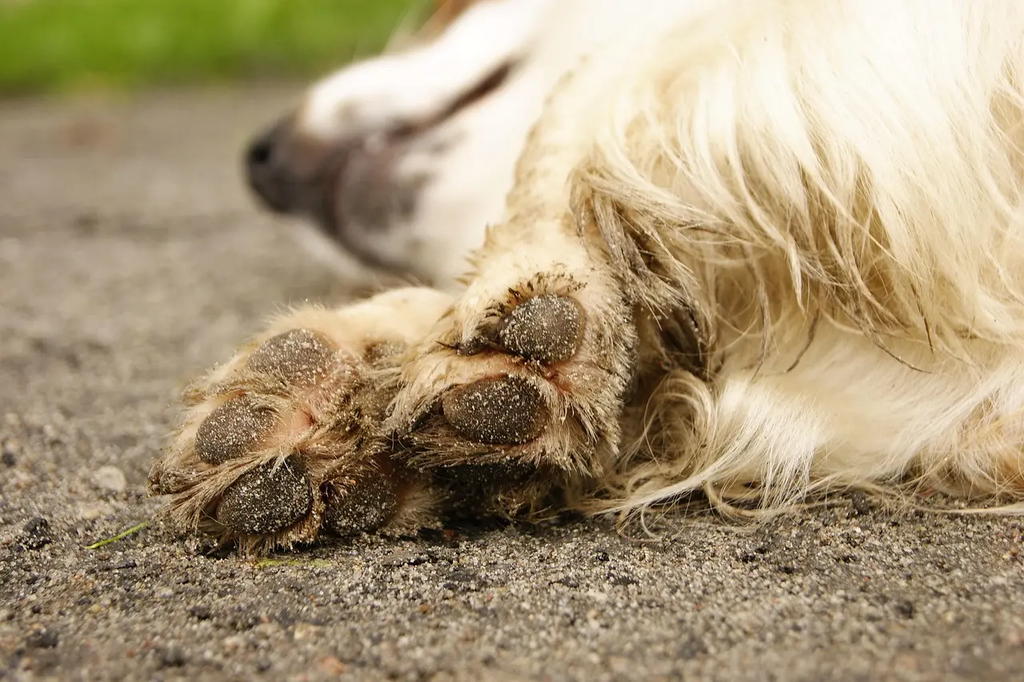
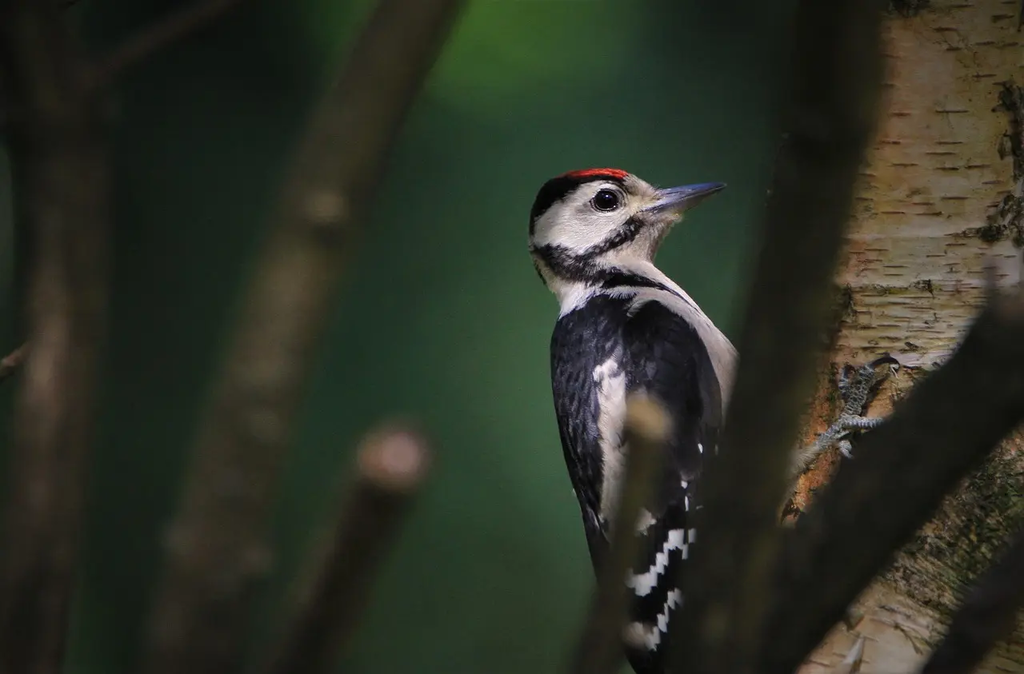
"Common Animal Habitats" refers to the various natural environments where different animal species live, such as forests, deserts, oceans, and grasslands. Each habitat provides unique resources and conditions that support specific animals, influencing their behaviors and adaptations. Exploring animal habitats reveals fascinating facts about how creatures survive, find food, and protect themselves, offering insight into nature’s diversity and the secrets behind where animals call home.
Common Animal Habitats+50
"Common Animal Habitats" refers to the various natural environments where different animal species live, such as forests, deserts, oceans, and grasslands. Each habitat provides unique resources and conditions that support specific animals, influencing their behaviors and adaptations. Exploring animal habitats reveals fascinating facts about how creatures survive, find food, and protect themselves, offering insight into nature’s diversity and the secrets behind where animals call home.
💡 Key Takeaways
- Identify common animal habitats (forest, grassland, desert, freshwater, marine, tundra, urban) and name example animals that live there.
- Describe key habitat features—climate, vegetation, shelter, and food sources—that help animals survive.
- Explain simple adaptations animals use to fit their habitats (camouflage, migration, hibernation, water conservation).
- Understand why habitats matter and how human activities threaten them, with basic ideas for conservation.
❓ Frequently Asked Questions
What is a habitat?
A habitat is the natural place where an animal lives, providing food, water, shelter, and space for it to survive and reproduce.
What are some common animal habitats?
Common habitats include forests, oceans, deserts, grasslands, wetlands, mountains, caves, and urban areas where animals live and find resources.
How do animals adapt to different habitats?
Animals adapt with physical traits and behaviors suited to their environment, such as camouflage, specialized limbs, migration, and water- or food-conserving strategies.
Why is habitat preservation important for wildlife?
Protecting habitats ensures animals have food, water, shelter, and space, helping populations thrive rather than decline due to disturbance or destruction.