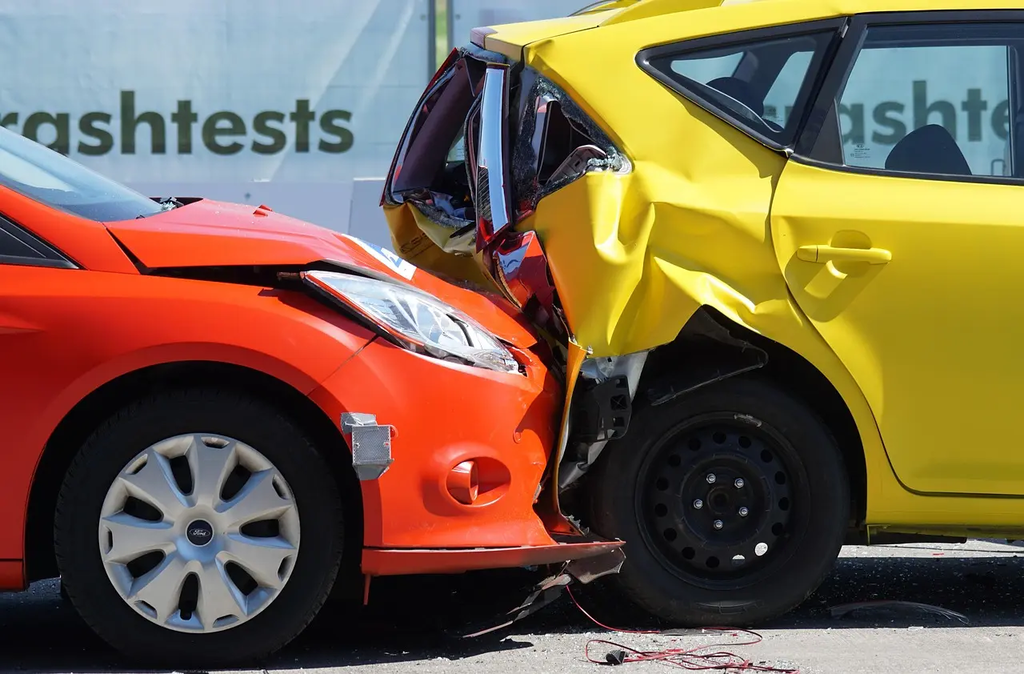
Crash avoidance maneuvers are deliberate actions taken by drivers or operators to prevent a collision or accident. These maneuvers can include sudden steering, braking, or accelerating to avoid obstacles, other vehicles, or hazardous situations on the road. Effective crash avoidance requires quick reflexes, situational awareness, and knowledge of vehicle handling. Such maneuvers are essential for road safety, helping to reduce accidents and minimize injury or damage during unexpected events.
Crash Avoidance Maneuvers
Crash avoidance maneuvers are deliberate actions taken by drivers or operators to prevent a collision or accident. These maneuvers can include sudden steering, braking, or accelerating to avoid obstacles, other vehicles, or hazardous situations on the road. Effective crash avoidance requires quick reflexes, situational awareness, and knowledge of vehicle handling. Such maneuvers are essential for road safety, helping to reduce accidents and minimize injury or damage during unexpected events.

💡 Key Takeaways
- Understand what crash avoidance maneuvers are and why they prevent collisions.
- Identify common maneuvers (steering, braking, accelerating) and when to use them safely.
- Grasp the role of reaction time, decision making, and vehicle control in executing maneuvers successfully.
- Recognize how road conditions, traffic, speed, and space affect the effectiveness of these maneuvers.
❓ Frequently Asked Questions
What are crash avoidance maneuvers?
Crash avoidance maneuvers are deliberate actions by a driver to prevent a collision, such as adjusting speed or direction to avoid obstacles, other vehicles, or hazards. They’re used when normal braking or steering isn’t enough.
Why is quick perception important in crash avoidance?
Perceiving a hazard quickly and starting the appropriate maneuver increases the available space to react and lowers crash risk. Fatigue, distractions, weather, and high speeds can delay perception and response.
What are common examples of crash avoidance maneuvers?
Examples include sudden braking, evasive steering, or controlled acceleration to avoid a hazard. These actions should be exercised with caution and complemented by safe following distances and braking when possible.
How can you reduce the need for abrupt maneuvers?
Maintain safe following distances, scan the road ahead, obey speed limits, use signals, keep your vehicle in good condition, and use driver-assistance features as supplements—not replacements—for attentive driving.