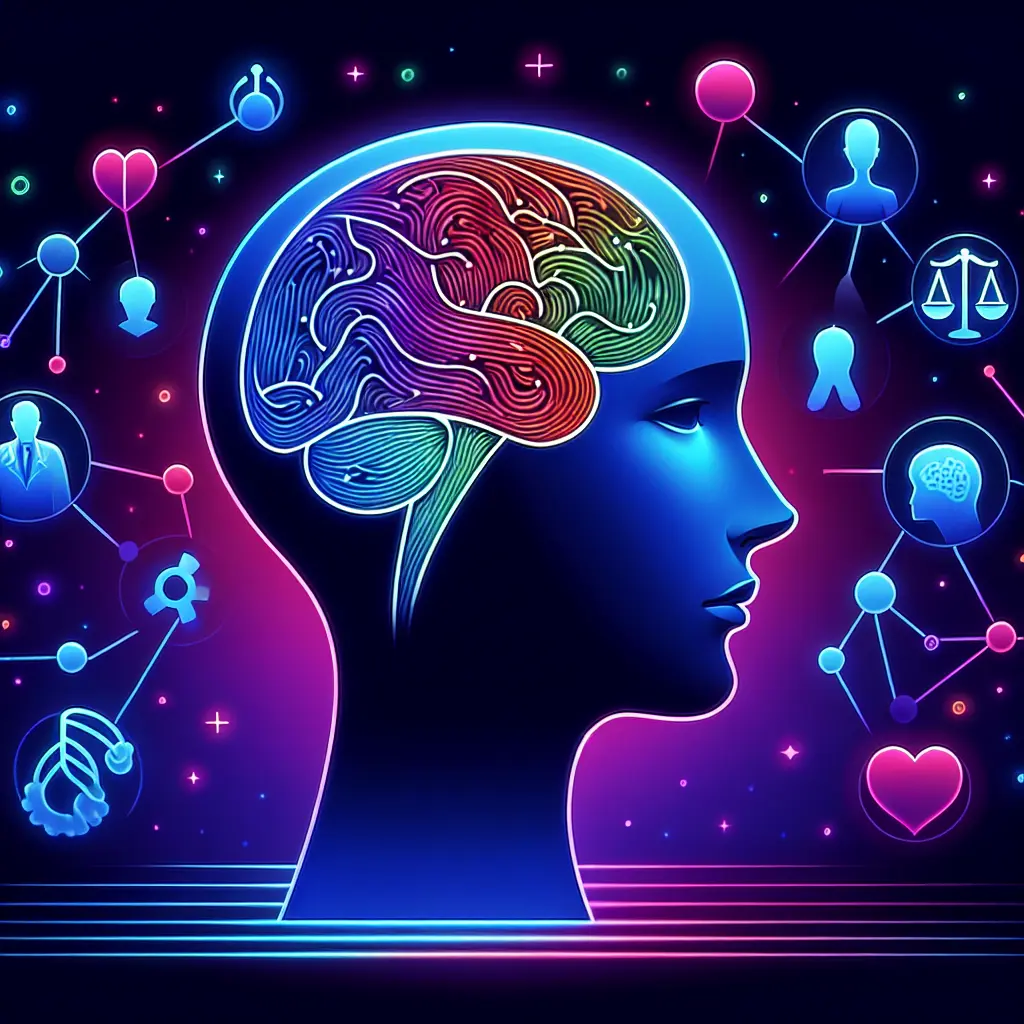
The phrase "Critical Survey of 21st-Century Ethics" refers to a comprehensive and analytical examination of ethical theories, debates, and moral issues that have emerged or evolved in the 2000s and beyond. It involves evaluating contemporary ethical challenges, such as technology, globalization, and social justice, while assessing how traditional moral frameworks adapt or respond to these changes. This survey highlights key thinkers, trends, and controversies shaping modern ethical discourse.
Critical Survey of 21st-Century Ethics
The phrase "Critical Survey of 21st-Century Ethics" refers to a comprehensive and analytical examination of ethical theories, debates, and moral issues that have emerged or evolved in the 2000s and beyond. It involves evaluating contemporary ethical challenges, such as technology, globalization, and social justice, while assessing how traditional moral frameworks adapt or respond to these changes. This survey highlights key thinkers, trends, and controversies shaping modern ethical discourse.

💡 Key Takeaways
- Understand how major ethical theories (utilitarianism, deontology, virtue ethics) are applied to 21st-century issues like AI, data privacy, and bioethics.
- Explore ethical challenges arising from globalization and technology, including algorithmic bias, surveillance, and digital inequality.
- Learn to evaluate contemporary moral debates and their implications for policy, law, and professional ethics.
- Develop critical skills to articulate reasoned perspectives on modern ethical problems and propose thoughtful solutions.
❓ Frequently Asked Questions
What is the Critical Survey of 21st-Century Ethics about?
It is a comprehensive, analytical examination of ethical theories, debates, and moral issues that have emerged or evolved in the 2000s and beyond, focusing on how technology, globalization, and other modern forces shape moral questions.
Which topics are commonly addressed in 21st-century ethics?
Topics include technology and AI ethics, privacy and data rights, globalization and distributive justice, bioethics, environmental ethics, and questions of responsibility and fairness in a connected world.
How does technology influence ethical debates in this field?
Technology introduces new dilemmas such as algorithmic bias, surveillance, and automation, prompting analysis of duties of designers, policymakers, and users under different ethical theories.
Why is globalization important in 21st-century ethics?
Globalization expands moral communities and responsibilities across borders, raising questions about justice, rights, migration, labor practices, and governance in a connected world.