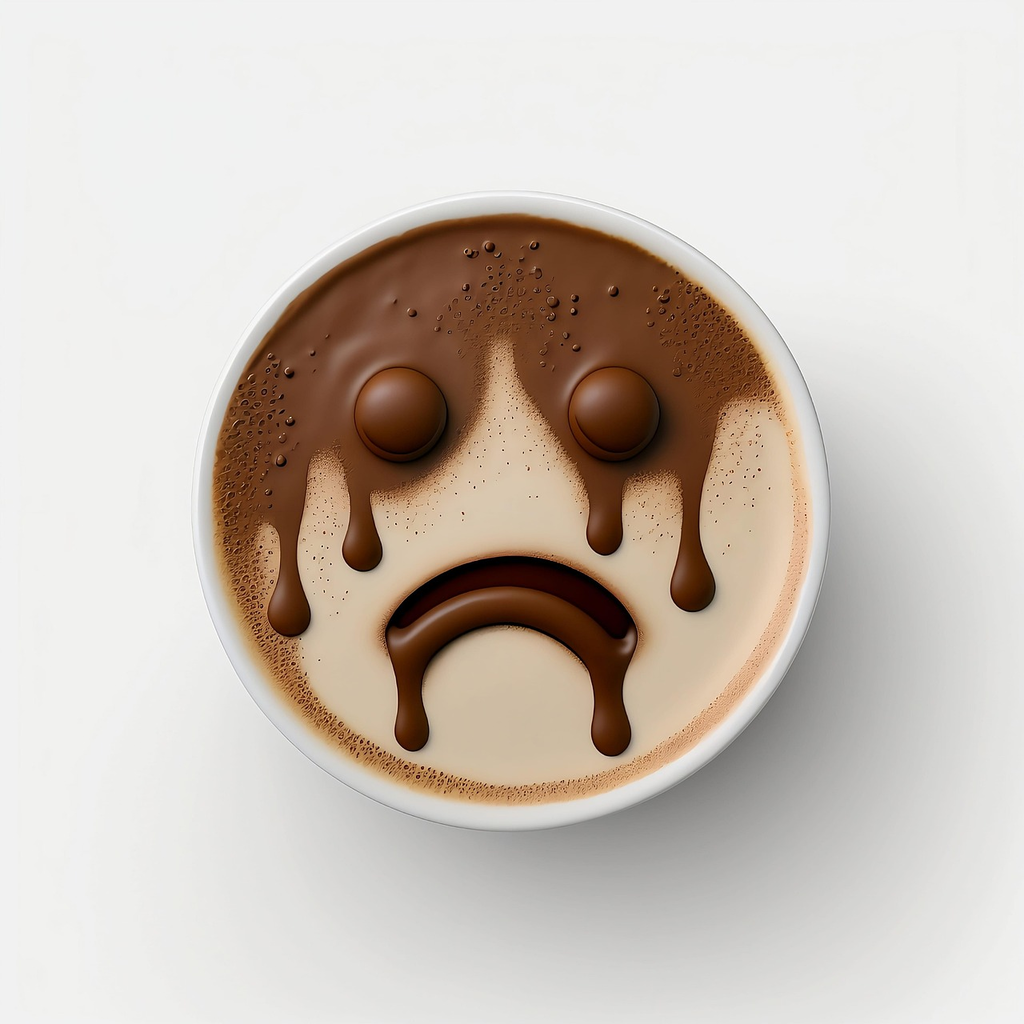
Cross-cultural studies of surprised emojis, particularly those depicting smiles and tears, examine how people from different cultural backgrounds interpret and use these digital expressions of emotion. These studies reveal that the meaning and emotional intensity of emojis can vary widely across cultures, influencing communication and the perception of surprise, happiness, or sadness. Understanding these differences helps improve global digital communication and highlights the importance of cultural context in interpreting emotion through emojis.
Cross-Cultural Studies of Surprised Emojis
Cross-cultural studies of surprised emojis, particularly those depicting smiles and tears, examine how people from different cultural backgrounds interpret and use these digital expressions of emotion. These studies reveal that the meaning and emotional intensity of emojis can vary widely across cultures, influencing communication and the perception of surprise, happiness, or sadness. Understanding these differences helps improve global digital communication and highlights the importance of cultural context in interpreting emotion through emojis.

💡 Key Takeaways
- Compare how surprised emojis are interpreted across different cultures and languages.
- Explore how platform design (Apple, Google, Samsung, etc.) changes the perceived surprise.
- Identify contextual factors that influence emoji meaning, such as accompanying text and situation.
- Discuss research methods used to study cross-cultural emoji perception and common findings.
❓ Frequently Asked Questions
What is the goal of cross-cultural studies of surprised emojis?
To understand how different cultures express and interpret surprise in digital symbols, and how platform design and context shape meaning.
Why do the same surprised emoji look different across platforms?
Designers at Apple, Google, Samsung, and others tailor emoji visuals, so the same symbol can convey different expressions and emotions across devices and cultures.
Do cultural norms influence how people interpret surprised emojis?
Yes. Cultural norms about emotional display can affect interpretation, with some cultures favoring subtlety or formality, altering perceived intensity.
What should you consider when answering quiz questions about surprised emojis?
Look at the emoji’s design on your device, remember platform differences, consider regional norms for surprise, and pay attention to context clues in the question.