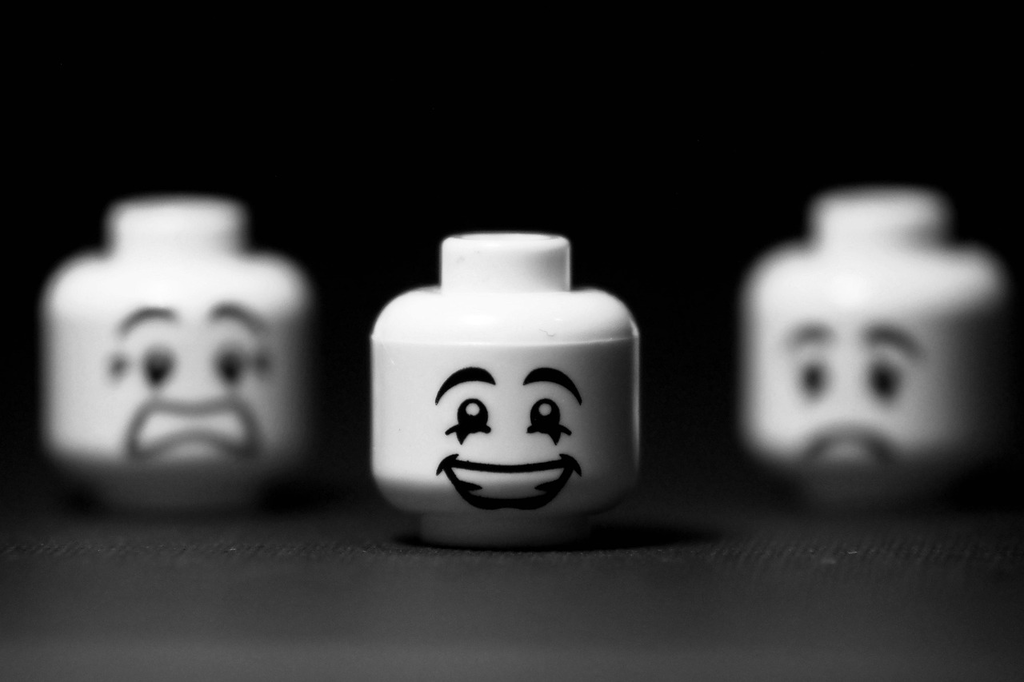
Clapping hands holds varied meanings across cultures, often expressing appreciation, joy, or celebration. In some societies, it signifies respect and approval, while in others, it can mark the end of a performance or ceremony. Emotion emojis like smiles and tears further enhance these reactions in digital communication, conveying happiness, gratitude, or even overwhelming emotion, bridging cultural gaps and making expressions of feelings more universally understood.
Clapping Hands in Different Cultures
Clapping hands holds varied meanings across cultures, often expressing appreciation, joy, or celebration. In some societies, it signifies respect and approval, while in others, it can mark the end of a performance or ceremony. Emotion emojis like smiles and tears further enhance these reactions in digital communication, conveying happiness, gratitude, or even overwhelming emotion, bridging cultural gaps and making expressions of feelings more universally understood.
💡 Key Takeaways
- Learn how clapping signals appreciation and respect in different cultural contexts.
- Identify diverse clapping styles and what they commonly convey.
- Recognize appropriate contexts and etiquette for clapping in various cultures.
- Understand how tempo, volume, and hand position can alter the meaning of a clap across cultures.
❓ Frequently Asked Questions
What does clapping mean in different cultures?
Clapping generally signals appreciation, but its timing and setting vary. Western applause often marks the end of a performance; in some traditions, claps accompany dance or music as part of the rhythm; in Japan's Shinto rituals, clapping is used as part of prayer (usually two claps).
How is handclapping used in traditional music events?
Clapping helps keep rhythm and can accompany singing and dancing. For example, flamenco uses clapping to support the dancers and singer, while many African and Caribbean traditions feature call-and-response clapping with drums.
How can I clap politely when I'm in a new culture?
Observe local cues, start with a light clap, and imitate how others clap. Clap at natural moments (end of a piece, after a performer finishes) and avoid clapping during solemn moments unless invited to do so.
Are there situations where clapping isn't appropriate?
Yes. In some religious or formal settings, silence is preferred or clapping is limited to specific moments. When in doubt, follow the crowd or ask a local.
What is a standing ovation and when is it given?
A standing ovation is when the audience rises to applaud after an outstanding performance, signaling strong appreciation and usually happening at the end or after a particularly memorable moment.