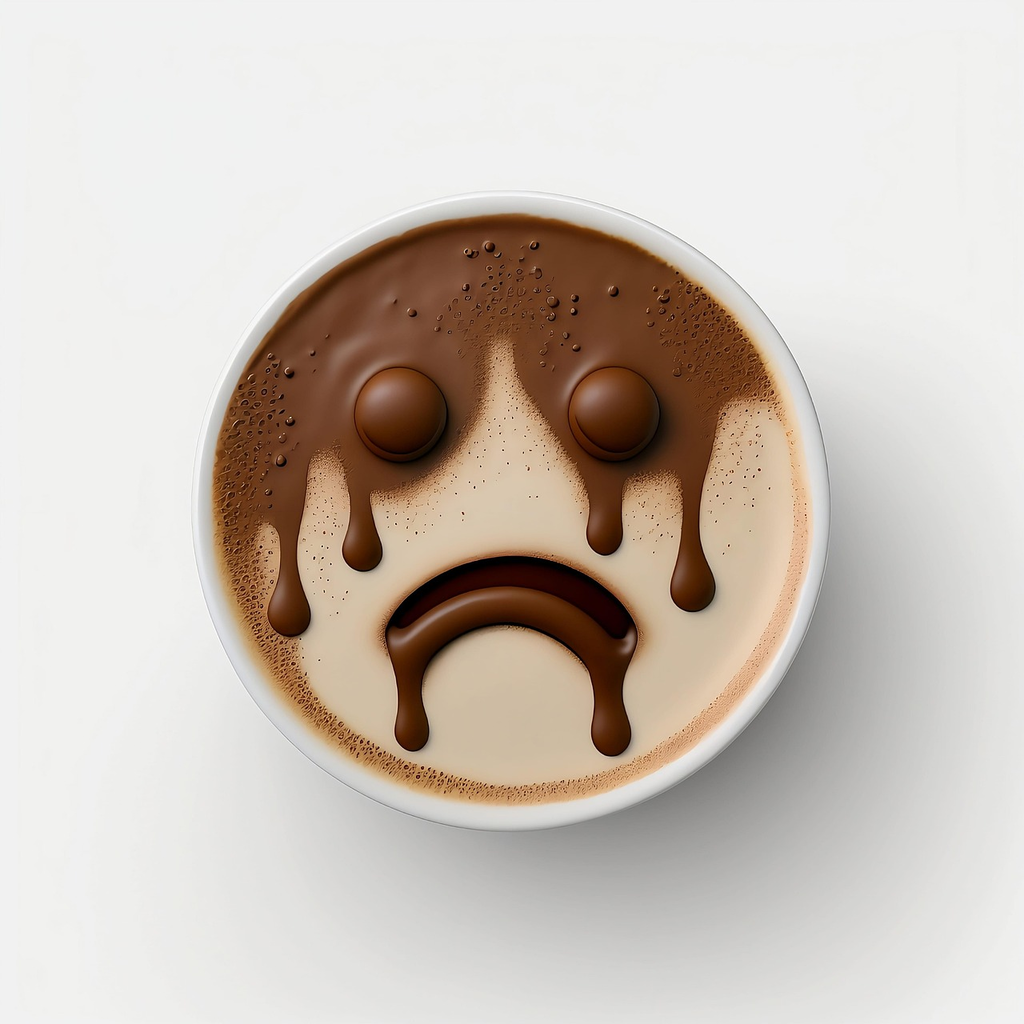
The phrase "Simple Thumbs Down (Emotion Emojis (Smiles & Tears))" refers to the use of a basic thumbs down emoji to express disapproval, disagreement, or a negative reaction in digital communication. When combined with emotion emojis like smiles or tears, it adds nuance, showing that the disapproval might be lighthearted, playful, or tinged with sadness. This combination helps convey complex emotions quickly and visually in online conversations.
Simple Thumbs Down+50
The phrase "Simple Thumbs Down (Emotion Emojis (Smiles & Tears))" refers to the use of a basic thumbs down emoji to express disapproval, disagreement, or a negative reaction in digital communication. When combined with emotion emojis like smiles or tears, it adds nuance, showing that the disapproval might be lighthearted, playful, or tinged with sadness. This combination helps convey complex emotions quickly and visually in online conversations.

💡 Key Takeaways
- Understand that a thumbs-down is a signal of negative feedback and what it typically indicates.
- Identify common reasons for disapproval (content quality, relevance, usability, clarity).
- Learn how to respond to thumbs-down feedback with constructive improvements or clarifications.
- Apply best practices for integrating a thumbs-down option into feedback systems.
❓ Frequently Asked Questions
What does a thumbs-down typically mean?
It generally signals disapproval or disagreement; context and culture can affect how strongly the signal is interpreted.
How should I respond to a thumbs-down in feedback?
Acknowledge the disapproval, briefly explain why, and offer a constructive suggestion for improvement.
Are there cultural differences in interpreting a thumbs-down?
Yes. In some contexts it’s a direct negative signal, while in others it may be seen as rude or overly blunt—consider your audience.
What are better alternatives to a thumbs-down for giving feedback?
Provide specific critique, suggest alternatives or improvements, and explain your reasoning to help the other person learn.