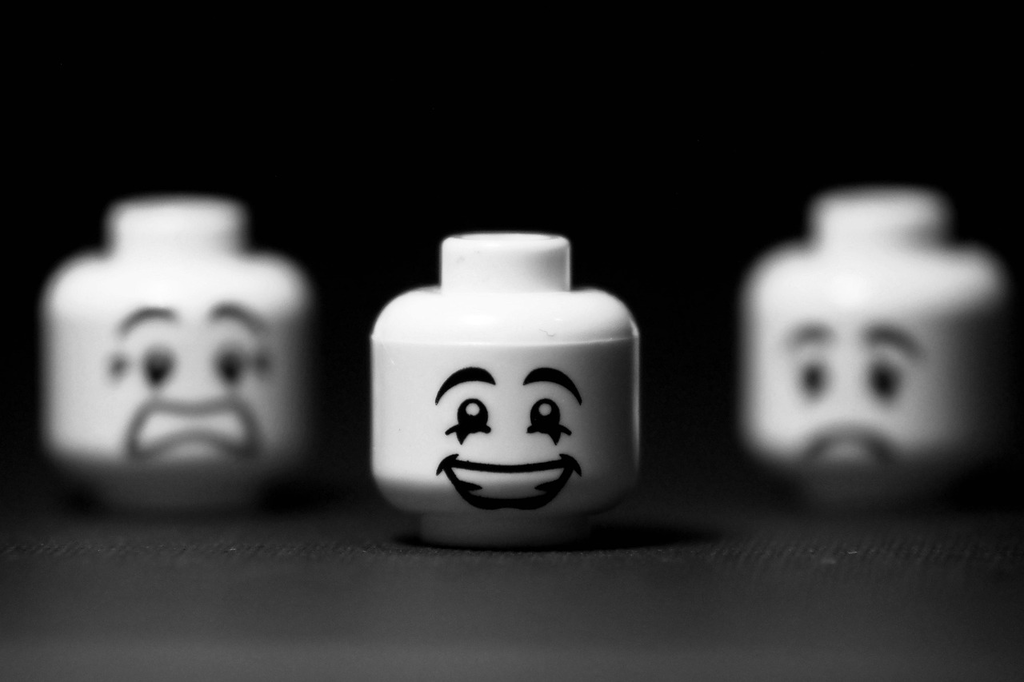
Sociological perspectives on sad emojis, including emotion emojis like smiles and tears, examine how these digital symbols reflect and shape social interactions, emotional expression, and cultural norms. Sad emojis can signal vulnerability, seek empathy, or reinforce group solidarity in online communication. They also illustrate changing norms around emotional openness and the ways technology mediates human connection, allowing users to express feelings succinctly and navigate complex social dynamics in digital spaces.
Sociological Perspectives on Sad Emojis
Sociological perspectives on sad emojis, including emotion emojis like smiles and tears, examine how these digital symbols reflect and shape social interactions, emotional expression, and cultural norms. Sad emojis can signal vulnerability, seek empathy, or reinforce group solidarity in online communication. They also illustrate changing norms around emotional openness and the ways technology mediates human connection, allowing users to express feelings succinctly and navigate complex social dynamics in digital spaces.

💡 Key Takeaways
- Understand what sad emojis signal in online conversations and how they shape responses.
- Explore how different cultures and platforms interpret sad emojis.
- Analyze how sad emojis relate to empathy, support, and social norms in digital spaces.
- Examine how identity factors (e.g., gender, age, status) influence the use of sad emojis.
- Consider implications for mental health discourse and stigma in online communities.
❓ Frequently Asked Questions
What is a sad emoji, and why is it used in online chats?
A small graphic that conveys sadness or sympathy; it helps express emotion quickly, soften messages, and show support.
How do sad emojis relate to emotional labor and social support?
They signal care and empathy, helping recipients feel understood, and they can shape expectations for responses in relationships.
Which sociological theories help explain why people use sad emojis?
Symbolic interactionism (shared meanings of symbols), social constructionism (emojis as cultural artifacts), and dramaturgy (managing impressions online).
Do interpretations of sad emojis vary across cultures, ages, or platforms?
Yes; meaning and etiquette differ by culture, age groups, and the norms and features of different platforms.
What are common research pitfalls when analyzing sad emojis?
Avoid assuming universal meaning; consider context, platform norms, and the difference between sincere and ironic uses.