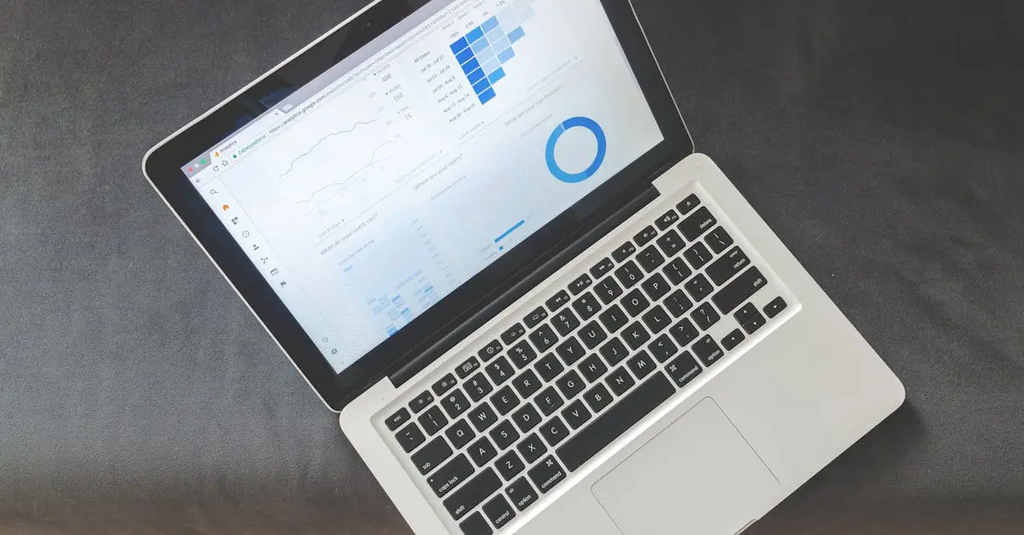
Data warehousing and dashboards for schools involve collecting, storing, and organizing large volumes of educational data from various sources in a centralized system. This enables schools to efficiently analyze student performance, attendance, and other key metrics. Dashboards present this data visually, making it easier for administrators and teachers to monitor trends, identify areas for improvement, and make informed decisions that support student achievement and operational effectiveness.
Data Warehousing and Dashboards for Schools
Data warehousing and dashboards for schools involve collecting, storing, and organizing large volumes of educational data from various sources in a centralized system. This enables schools to efficiently analyze student performance, attendance, and other key metrics. Dashboards present this data visually, making it easier for administrators and teachers to monitor trends, identify areas for improvement, and make informed decisions that support student achievement and operational effectiveness.
💡 Key Takeaways
- Understand what a data warehouse is and why schools centralize data from multiple sources.
- Identify common school data sources (student information systems, attendance, assessments, LMS, transportation) that feed dashboards.
- Explain how dashboards turn raw data into visual insights—trends, comparisons, and alerts—to monitor student performance and attendance.
- Recognize basic data privacy and governance considerations (e.g., FERPA, access control) when using dashboards and stored data.
❓ Frequently Asked Questions
What is data warehousing in schools?
A centralized repository that collects and stores data from multiple school systems (SIS, LMS, attendance, assessments) to support analysis of student performance, attendance, and other metrics.
What is a dashboard for schools?
A visual interface that presents key metrics from the data warehouse in charts and graphs, with filters to monitor trends and quickly answer questions.
What kinds of data sources are typically integrated?
Student information systems, learning management systems, attendance records, assessment results, course enrollments, behavior logs, and sometimes finance and demographics.
How do dashboards help educators and administrators?
They provide at-a-glance insights, track progress toward goals, identify gaps, and support instructional decisions and resource planning.
How is data privacy addressed in school data warehouses?
Access controls and privacy protections are applied, with de-identified or aggregated data when appropriate, to comply with laws such as FERPA and local regulations.