Feeding your dog treats is a great way to reward good behavior and strengthen your bond, but moderation is key. Treats should make up no more than 10% of your dog’s daily caloric intake to avoid weight gain and nutritional imbalances. Overindulging can lead to obesity, digestive issues, and health problems. Always consider your dog’s size, activity level, and dietary needs when offering treats to maintain a healthy, balanced diet.
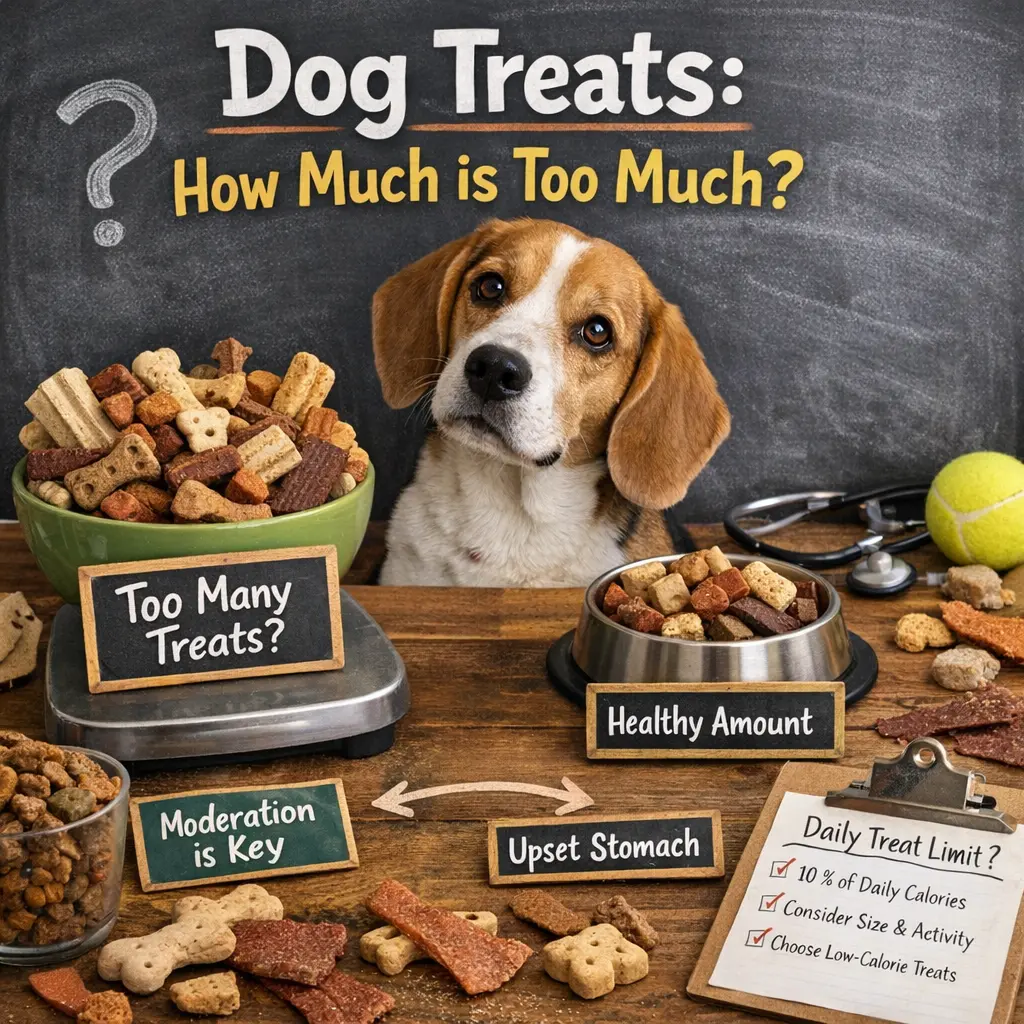
Dog Treats: How Much is Too Much?+50
Feeding your dog treats is a great way to reward good behavior and strengthen your bond, but moderation is key. Treats should make up no more than 10% of your dog’s daily caloric intake to avoid weight gain and nutritional imbalances. Overindulging can lead to obesity, digestive issues, and health problems. Always consider your dog’s size, activity level, and dietary needs when offering treats to maintain a healthy, balanced diet.
💡 Key Takeaways
- Limit treats to about 10% of your dog’s daily calories to avoid weight gain and nutritional imbalances.
- Learn how to estimate your dog’s daily caloric needs and portion treats accordingly.
- Recognize signs that treating is excessive and may lead to obesity, digestive issues, or other health problems.
- Explore healthier treat options and behavior-reward strategies that fit within your dog’s calorie budget.
❓ Frequently Asked Questions
What does the 10% rule mean for dog treats?
Treats should make up no more than 10% of your dog's daily calories. The remaining calories should come from a balanced complete diet. Use your dog's weight and activity to estimate daily needs.
How can I calculate how many treats my dog can have each day?
Check the calories per treat on the package, multiply by the number you give, and keep that total under 10% of your dog's daily calories. For overweight dogs, reduce further and consult a vet.
What are healthier, lower-calorie treat options?
Opt for small, low-calorie foods like baby carrots, apple slices (no seeds), or green beans. Choose lean, unsalted treats and avoid high-fat, sugary, or toxic items (e.g., chocolate, xylitol, grapes).
Should I adjust the rule for puppies or dogs with health issues?
Puppies often need smaller treat portions due to growth. Dogs with obesity, diabetes, or digestive issues may require stricter limits or vet-approved alternatives; always check with your veterinarian.