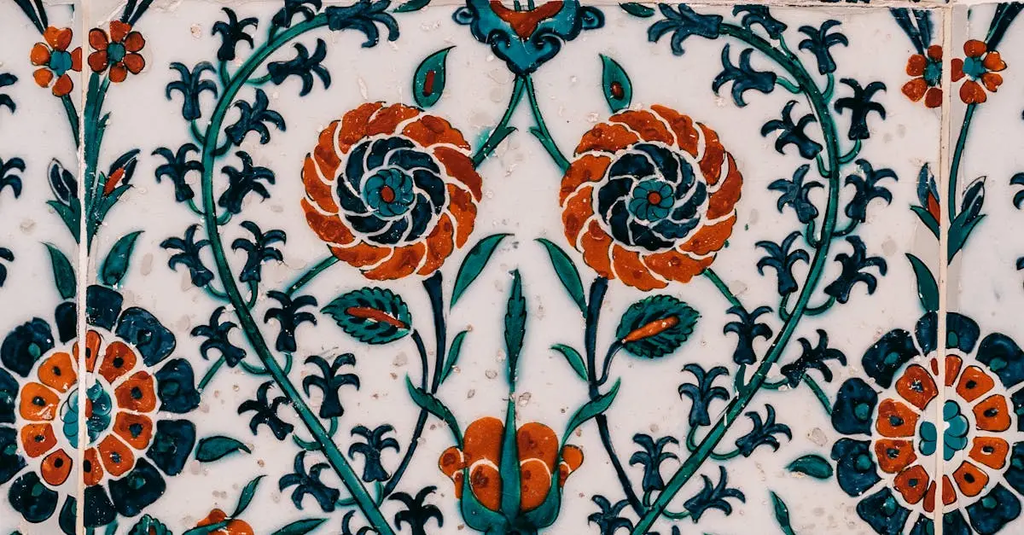
The elements of art—such as line, shape, color, texture, value, form, and space—are the basic visual components artists use to create works. The principles of design—balance, contrast, emphasis, movement, pattern, rhythm, and unity—guide how these elements are organized. Throughout art history and movements, artists have applied these elements and principles in diverse ways, shaping styles and influencing the evolution of artistic expression.
Elements of Art & Principles of Design+50
The elements of art—such as line, shape, color, texture, value, form, and space—are the basic visual components artists use to create works. The principles of design—balance, contrast, emphasis, movement, pattern, rhythm, and unity—guide how these elements are organized. Throughout art history and movements, artists have applied these elements and principles in diverse ways, shaping styles and influencing the evolution of artistic expression.

💡 Key Takeaways
- Identify the core elements of art (line, shape, form, space, color, value, texture) and their roles in design.
- Explain the key design principles (balance, contrast, emphasis, movement, proportion, rhythm, unity) and their effects on composition.
- Analyze artworks by applying the elements and principles to explain mood and meaning.
- Critique a simple composition using basic terms to describe color, value, texture, and space.
❓ Frequently Asked Questions
What are the Elements of Art?
The fundamental visual building blocks artists manipulate: line, shape, form, space, color, value (lightness/darkness), texture, and sometimes time/motion.
What are the Principles of Design?
The guidelines for arranging elements: balance, contrast, emphasis, movement, rhythm, pattern, proportion/scale, and unity/variety.
How do the Elements and Principles work together in a composition?
Elements are the components; principles show how to arrange them to create balance, focus, movement, and harmony.
How do designers create emphasis in a composition?
By making a key element stand out using contrast, size, color, or placement to guide the viewer's eye, while maintaining overall balance.