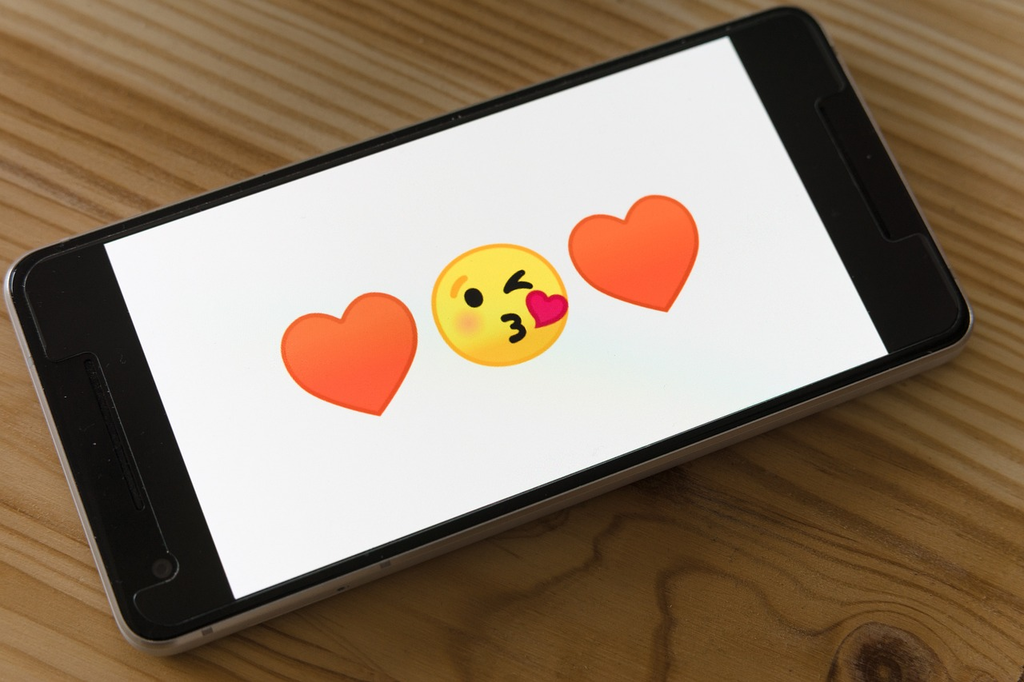
Emojis for approval, particularly those featuring smiles and tears, are digital icons used to express positive emotions and agreement. Smile emojis convey happiness, satisfaction, or encouragement, signaling approval or support. Tear emojis, especially those with joyful expressions, can show overwhelming happiness or gratitude. Together, these emotion emojis enhance digital communication by adding warmth and clarity, making approval more expressive and relatable in online interactions.
Emojis for Approval
Emojis for approval, particularly those featuring smiles and tears, are digital icons used to express positive emotions and agreement. Smile emojis convey happiness, satisfaction, or encouragement, signaling approval or support. Tear emojis, especially those with joyful expressions, can show overwhelming happiness or gratitude. Together, these emotion emojis enhance digital communication by adding warmth and clarity, making approval more expressive and relatable in online interactions.

💡 Key Takeaways
- Identify common approval emojis (e.g., 👍, ✅, 🙌, 👌) and what they typically convey.
- Choose the right emoji for the context (professional vs. casual) to match the intended tone.
- Be aware of cultural and platform differences that can change how an emoji is perceived.
- Improve accessibility by providing alt text and using emojis judiciously to avoid clutter.
❓ Frequently Asked Questions
What does the thumbs up emoji (👍) typically signify in approval contexts?
It usually means agreement, approval, or “yes.” It can replace words to show support, but be mindful of context and cultural differences.
Besides 👍, which other emojis commonly express approval or praise?
Common options include 👏 (clapping) for praise, 🙌 (raising hands) for celebration, 🎉 for celebration, and ✅ or ✔️ for completion/approval.
How should you interpret multiple approval emojis in a single message?
They amplify the sentiment; more emojis usually indicate stronger approval or celebration. Avoid overuse and watch for sarcasm or misinterpretation.
Are there cautions when using approval emojis in quizzes or articles?
Yes: platform rendering, audience tone, and cultural differences can affect meaning. For formal content, keep emojis minimal and consider adding a short glossary.