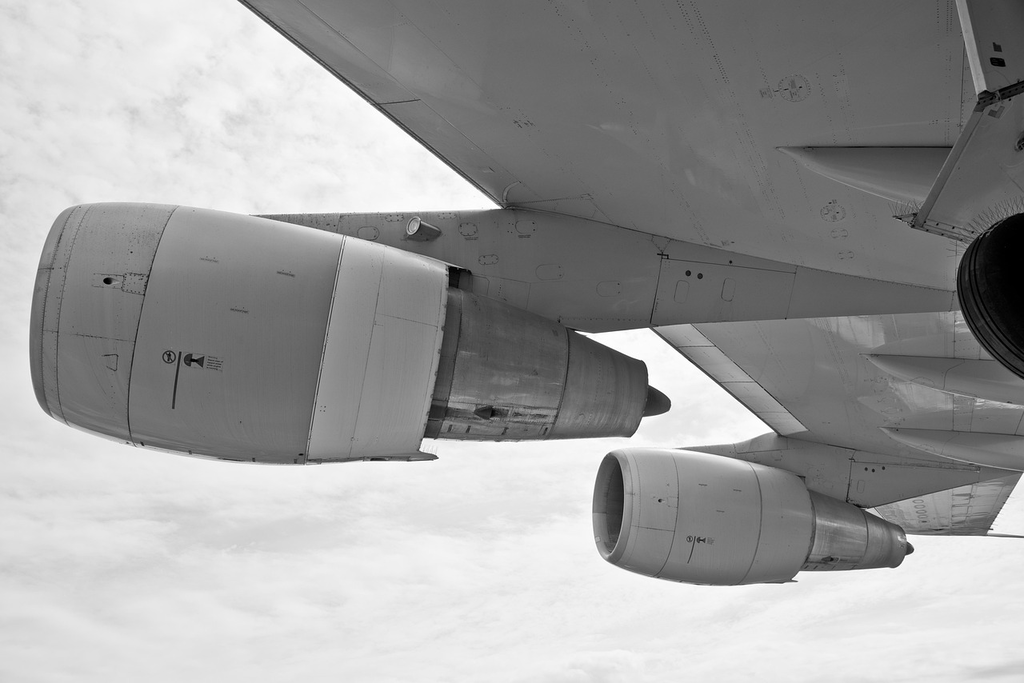
The environmental impact of airplanes, compared to cars, is significant due to the high levels of greenhouse gases and pollutants emitted during flights. Airplanes contribute to global warming by releasing carbon dioxide, nitrogen oxides, and water vapor at high altitudes, intensifying their effect. While cars also pollute, airplanes have a greater per-passenger impact over long distances, making air travel a major concern for climate change and prompting efforts to develop greener technologies and alternative fuels.
Environmental Impact of Airplanes
The environmental impact of airplanes, compared to cars, is significant due to the high levels of greenhouse gases and pollutants emitted during flights. Airplanes contribute to global warming by releasing carbon dioxide, nitrogen oxides, and water vapor at high altitudes, intensifying their effect. While cars also pollute, airplanes have a greater per-passenger impact over long distances, making air travel a major concern for climate change and prompting efforts to develop greener technologies and alternative fuels.
💡 Key Takeaways
- Understand how airplanes contribute to climate change through CO2, NOx, and other emissions, including contrails.
- Compare emissions intensity per passenger and energy use across different transport modes.
- Learn about strategies to reduce aviation impact, such as sustainable aviation fuels (SAF), improved engine efficiency, and optimized operations.
- Identify local environmental effects of aviation, like noise and air quality near airports, and common mitigation approaches.
❓ Frequently Asked Questions
What are the main environmental impacts of airplanes?
Jet fuel use releases CO2, NOx, and particulates; water vapor can form contrails that may become warming clouds; noise near airports also affects communities; together these impact climate and air quality.
How much of global CO2 emissions come from aviation?
Aviation accounts for about 2–3% of human-caused CO2 emissions; the share can grow with air travel, and non-CO2 effects like contrails add further warming.
What technologies and practices help reduce aviation's impact?
Improvements include more efficient aircraft and engines, lighter materials, better air traffic management, and widespread use of sustainable aviation fuels (SAF); operational changes and offsetting can also help.
What is sustainable aviation fuel (SAF) and why is it important?
SAF is produced from sustainable feedstocks and can significantly lower lifecycle CO2 emissions compared to conventional jet fuel; scaling up production and policy support are key to its broader impact.