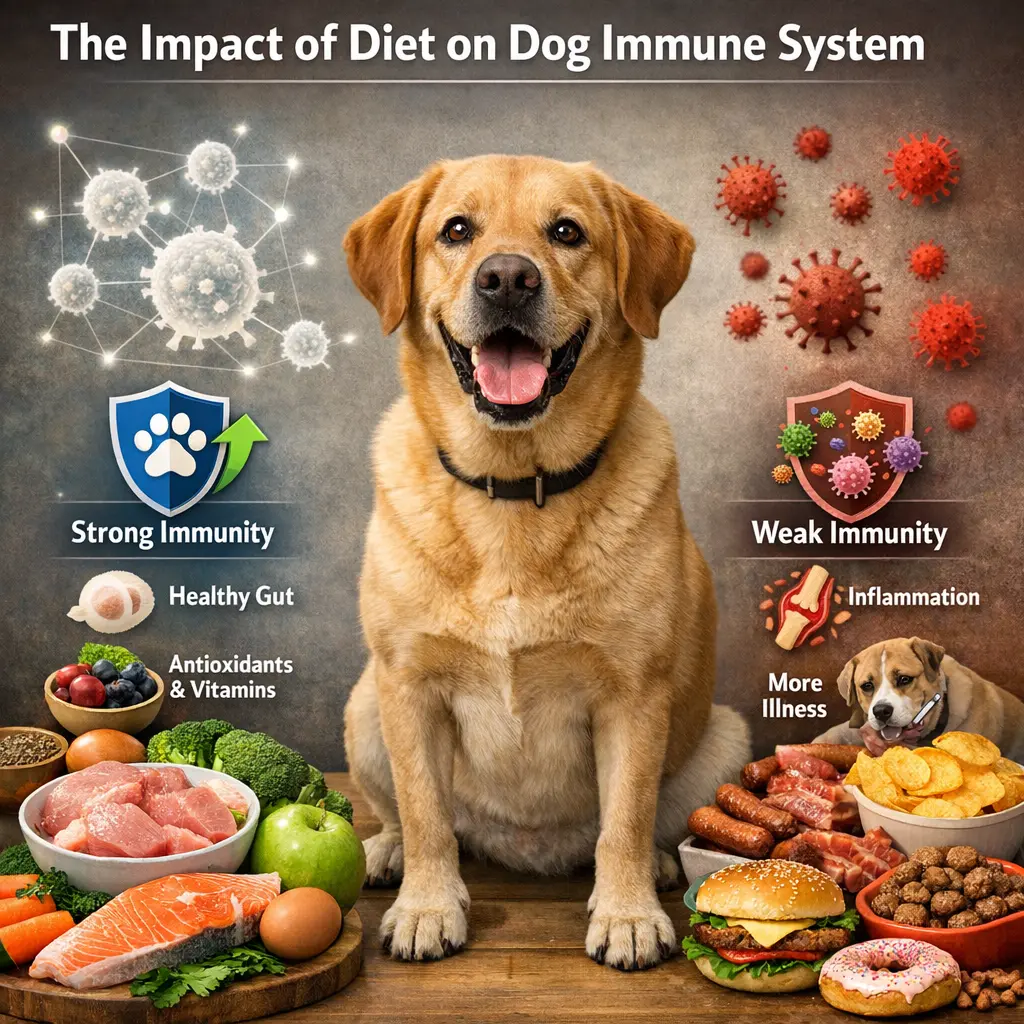
Evaluating the environmental impact of dog foods involves assessing how the production, sourcing, and processing of ingredients affect natural resources, greenhouse gas emissions, and biodiversity. This includes analyzing the carbon footprint of meat versus plant-based diets, water usage, land requirements, and packaging waste. Understanding these factors helps pet owners make informed choices that minimize ecological harm while ensuring their dogs receive balanced and nutritious diets.
Evaluating the Environmental Impact of Dog Foods
Evaluating the environmental impact of dog foods involves assessing how the production, sourcing, and processing of ingredients affect natural resources, greenhouse gas emissions, and biodiversity. This includes analyzing the carbon footprint of meat versus plant-based diets, water usage, land requirements, and packaging waste. Understanding these factors helps pet owners make informed choices that minimize ecological harm while ensuring their dogs receive balanced and nutritious diets.
💡 Key Takeaways
- Understand the main environmental factors driving dog food footprints (ingredients, farming methods, packaging, transport).
- Compare the environmental impacts of common protein sources used in dog foods (beef, poultry, fish, plant-based) and how sourcing affects sustainability.
- Learn how to read and evaluate sustainability claims and certifications on dog food labels.
- Discover practical steps to reduce your dog's food footprint (select sustainable brands, optimize portions, minimize packaging waste).
❓ Frequently Asked Questions
What factors contribute to the environmental impact of dog foods?
Key factors include the protein source and ingredients, energy and water used in production, packaging, and transportation from production to shelf.
How does the protein source affect a dog food’s footprint?
Animal proteins, especially from traditional meat sources, generally require more greenhouse gas emissions, land, and water than plant-based proteins. Some brands use by-products or sustainably sourced meats to reduce impact.
What is a life cycle assessment (LCA) and why is it relevant to dog foods?
An LCA evaluates environmental impacts from ingredient sourcing to end-of-life disposal, helping compare products’ total footprints.
What packaging choices help reduce environmental impact?
Look for recyclable or recycled-content packaging, minimal plastic, or options sold in bulk or with reusable containers to cut waste.