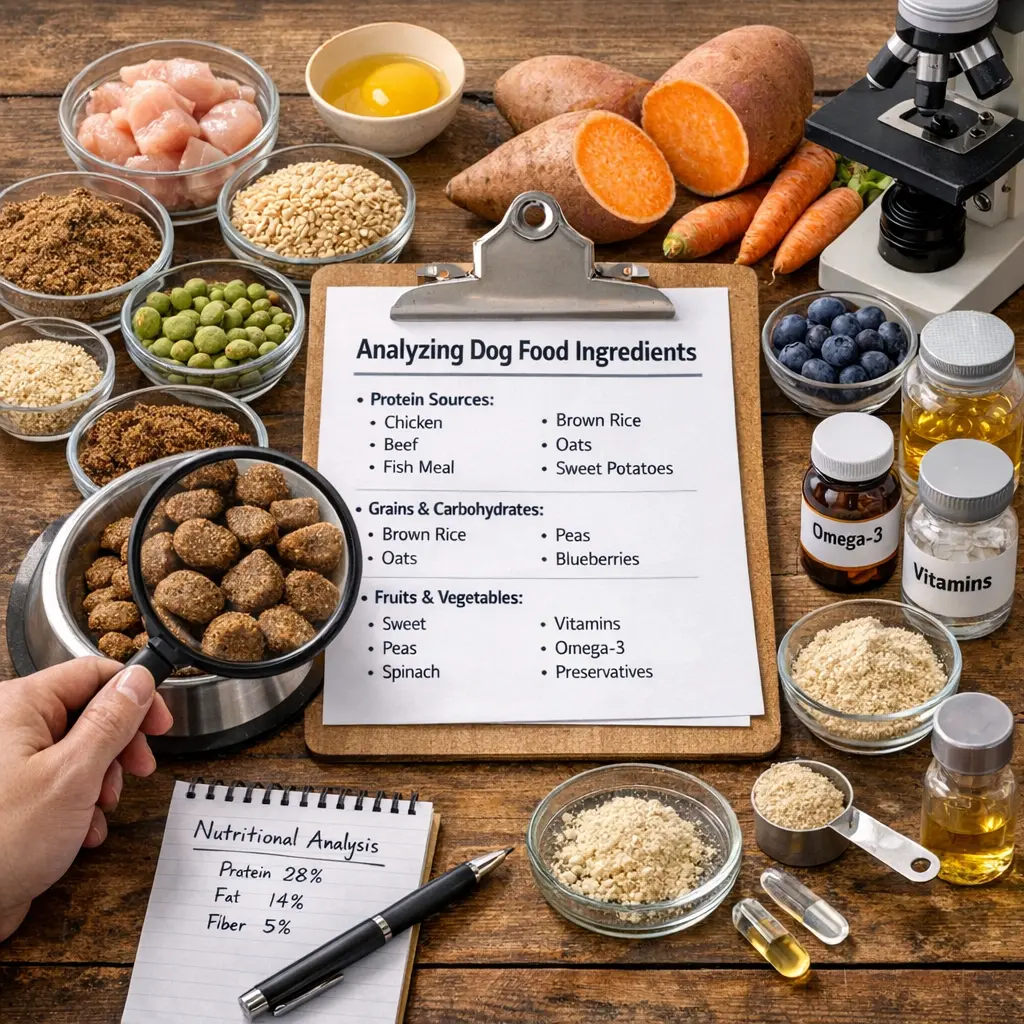
Evaluating the global supply chain of dog foods involves examining the sourcing, production, distribution, and quality control processes that ensure safe and nutritious diets for dogs worldwide. It includes assessing ingredient origins, manufacturing standards, transportation logistics, regulatory compliance, and sustainability practices. This comprehensive analysis helps identify potential risks, inefficiencies, and opportunities for improvement, ultimately aiming to provide consistent, high-quality dog food products that meet the dietary needs of pets across various markets.
Evaluating the Global Supply Chain of Dog Foods
Evaluating the global supply chain of dog foods involves examining the sourcing, production, distribution, and quality control processes that ensure safe and nutritious diets for dogs worldwide. It includes assessing ingredient origins, manufacturing standards, transportation logistics, regulatory compliance, and sustainability practices. This comprehensive analysis helps identify potential risks, inefficiencies, and opportunities for improvement, ultimately aiming to provide consistent, high-quality dog food products that meet the dietary needs of pets across various markets.
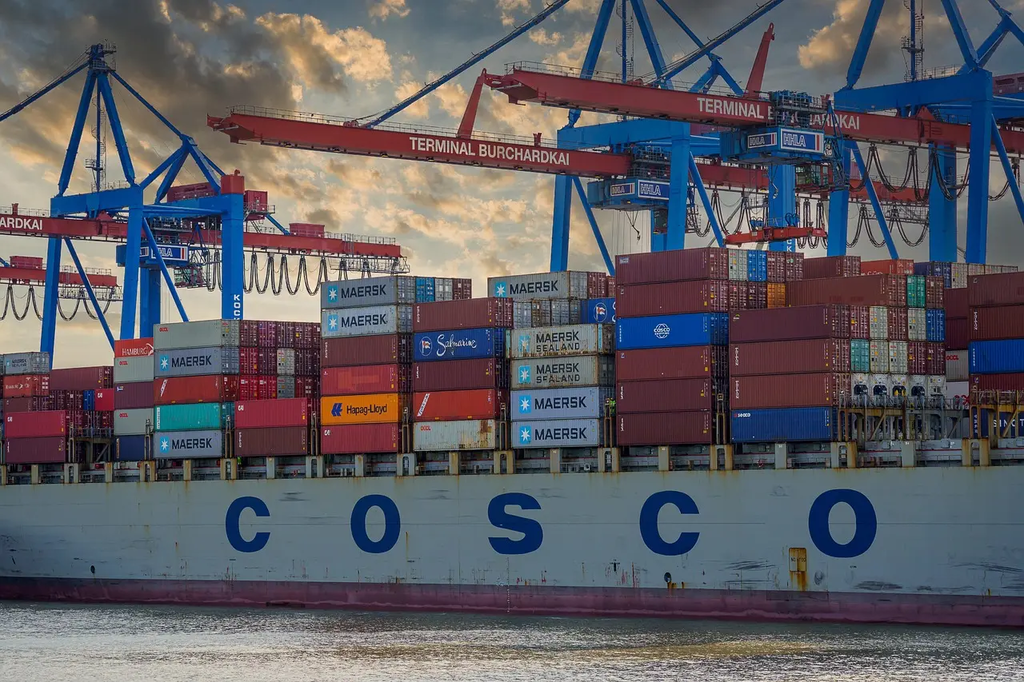
💡 Key Takeaways
- Understand the main stages of the global dog food supply chain from ingredient sourcing to delivery.
- Identify common supply chain risks (shortages, regulatory differences, transport delays) and mitigation strategies.
- Assess how quality, safety, and labeling standards vary by region and impact product compliance.
- Evaluate how sustainability, ethics, and transparency in sourcing influence brand trust and consumer decisions.
❓ Frequently Asked Questions
What is a global supply chain for dog foods?
A network of international suppliers, manufacturers, distributors, and retailers that sources ingredients, processes them into dog foods, and delivers finished products to markets worldwide, encompassing procurement, manufacturing, packaging, logistics, and distribution.
What are common inputs in the dog food supply chain?
Primary ingredients (meat or meat byproducts, grains or alternatives), vitamins/minerals, additives, packaging materials, and shipping resources used to produce and package the final product.
Why is traceability important in the dog food supply chain?
It helps identify ingredient origins, enables rapid recalls if issues arise, ensures safety and regulatory compliance, and builds consumer trust.
What risks can disrupt the global dog food supply chain?
Ingredient shortages, disease outbreaks in livestock, trade restrictions, price volatility, transportation delays, regulatory changes, and quality or safety failures.