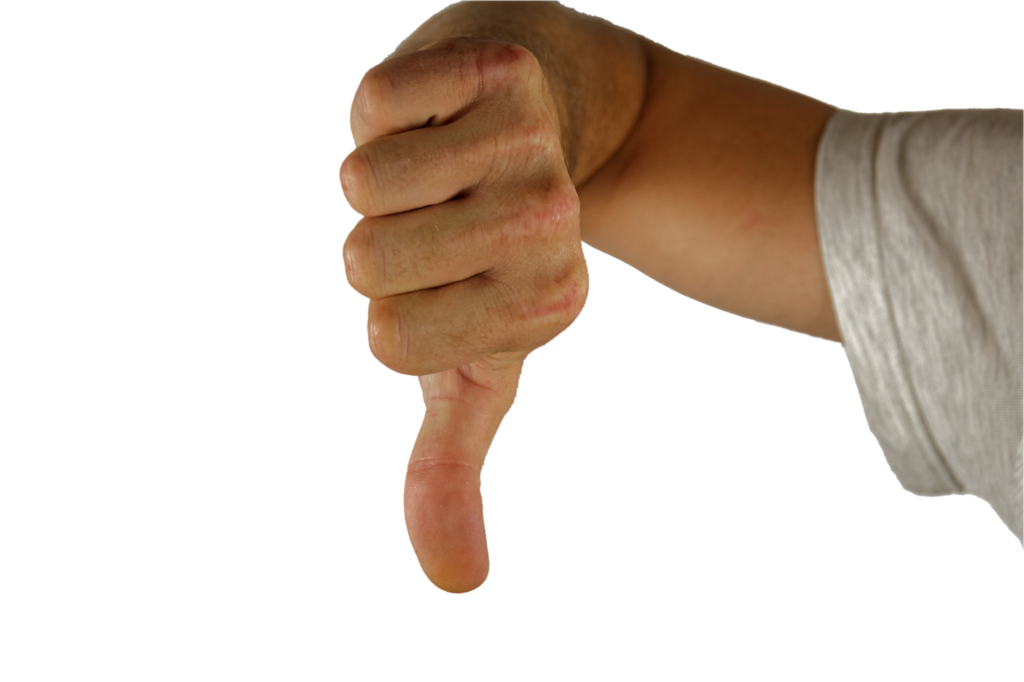
The "Evolution of Thumbs Down" refers to the transformation of expressing disapproval from the classic thumbs down gesture to its digital representation in emojis. Over time, this symbol has evolved alongside other emotion emojis like smiles and tears, allowing users to convey nuanced reactions online. The thumbs down emoji, now widely used across platforms, complements a broader emotional spectrum, making virtual communication richer and more expressive through simple, universally understood icons.
Evolution of Thumbs Down
The "Evolution of Thumbs Down" refers to the transformation of expressing disapproval from the classic thumbs down gesture to its digital representation in emojis. Over time, this symbol has evolved alongside other emotion emojis like smiles and tears, allowing users to convey nuanced reactions online. The thumbs down emoji, now widely used across platforms, complements a broader emotional spectrum, making virtual communication richer and more expressive through simple, universally understood icons.
💡 Key Takeaways
- Trace the origins and historical evolution of the thumbs-down gesture across cultures.
- Compare traditional body language with modern digital ‘dislike’ features on social platforms.
- Identify cultural variations in interpreting thumbs-down and how context changes meaning.
- Evaluate the social and ethical implications of expressing disapproval online and offline.
❓ Frequently Asked Questions
What does the thumbs-down gesture typically mean?
It signals disapproval or rejection. While origins are debated, in modern use it’s a clear negative signal.
How did the idea of a digital thumbs-down or dislike develop?
Online platforms use a dislike/thumbs-down feature to let users express negative feedback quickly, which can affect content ranking and moderation.
Do all cultures read thumbs-down the same way?
No. Gesture meanings vary by culture, context, and setting; what’s acceptable in one place may be confusing or rude elsewhere.
How should readers use negative feedback when answering this quiz?
Treat a wrong or flagged item as a learning cue: review explanations, adjust understanding, and practice similar questions to improve.