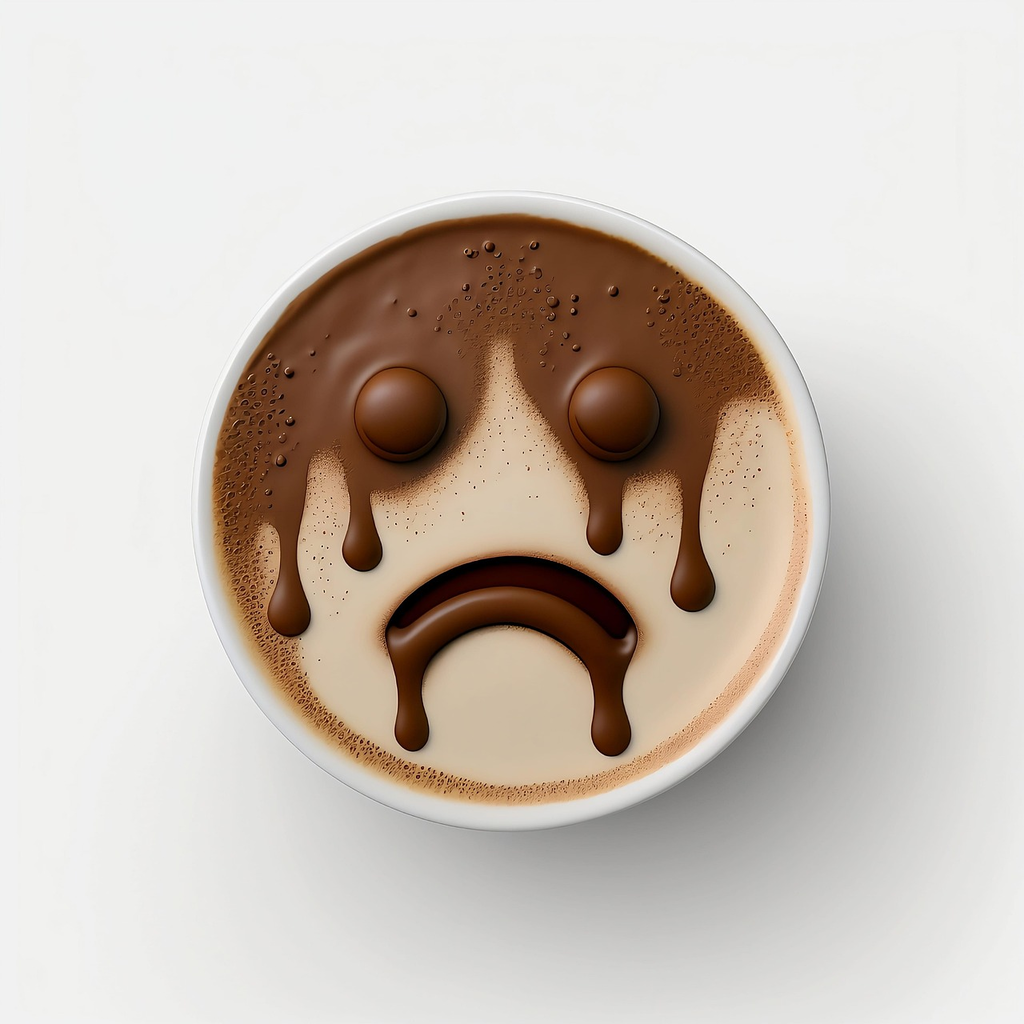
The psychological impact of winking emojis, as well as other emotion emojis like smiles and tears, lies in their ability to convey tone, intent, and emotional nuance in digital communication. Winking emojis often suggest playfulness, irony, or flirtation, reducing misunderstandings and making messages feel more personal. Smiles can evoke warmth and positivity, while tears express empathy or sadness, helping users connect emotionally, foster relationships, and enhance clarity in otherwise text-based interactions.
Psychological Impact of Winking Emojis
The psychological impact of winking emojis, as well as other emotion emojis like smiles and tears, lies in their ability to convey tone, intent, and emotional nuance in digital communication. Winking emojis often suggest playfulness, irony, or flirtation, reducing misunderstandings and making messages feel more personal. Smiles can evoke warmth and positivity, while tears express empathy or sadness, helping users connect emotionally, foster relationships, and enhance clarity in otherwise text-based interactions.

💡 Key Takeaways
- Understand how a wink emoji can change the tone and perceived intent of a message.
- Learn how context, relationship, and platform influence interpretation of winks.
- Recognize potential miscommunication or offense and when to avoid using winking in professional or sensitive contexts.
- Explore common psychological effects of emojis, such as social bonding, flattery, or ambiguity, in online interactions.
❓ Frequently Asked Questions
What does a winking emoji typically signal in online messages?
It usually conveys playfulness, humor, or light teasing and can soften statements, but the exact meaning depends on the context and relationship between sender and receiver.
Why can a wink emoji be misinterpreted?
Emojis lack tone of voice and facial cues. Interpretation relies on context, prior interactions, platform rendering, and cultural norms, which can lead to different readings.
How should you respond to a wink emoji in professional vs. casual settings?
In professional chats, respond neutrally or seek clarification if the intent is unclear. In casual chats, mirror the tone and consider whether the wink fits the relationship and setting.
What factors influence the impact of a wink emoji?
Relationship closeness, platform used, timing, accompanying text, cultural norms, and the specific conversation context all shape how a wink is perceived.