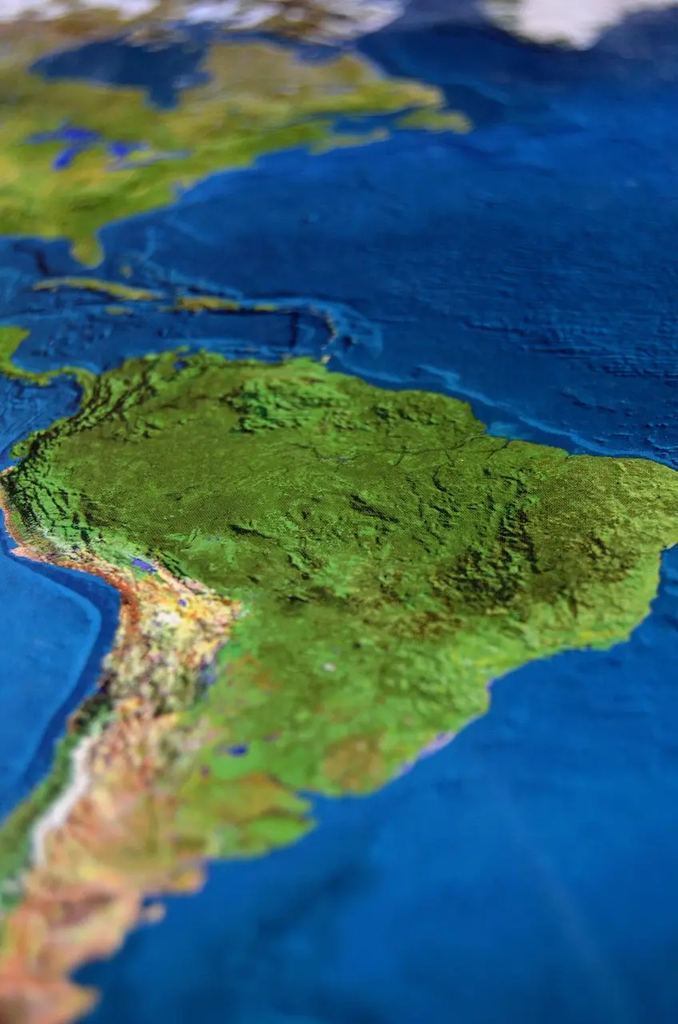
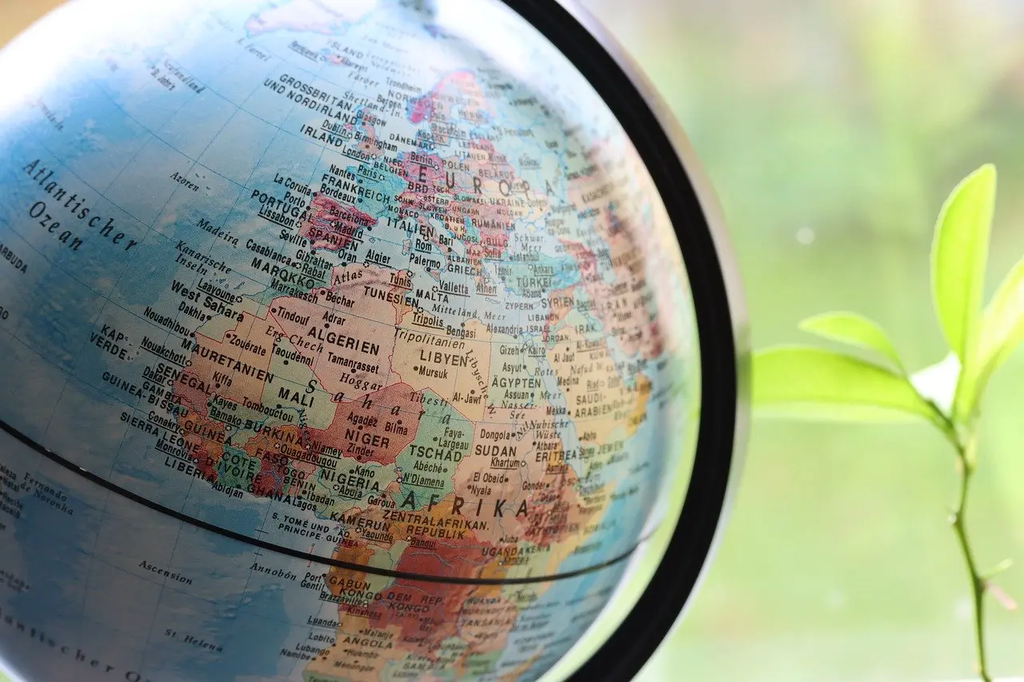
"Exploring Global Food and Globalization (Food & Global Flavors)" refers to examining how food cultures, ingredients, and culinary traditions travel and blend across borders due to globalization. It highlights the exchange and fusion of flavors, cooking techniques, and dining practices worldwide, leading to new food experiences and multicultural cuisines. This exploration also considers the social, economic, and cultural impacts of global interconnectedness on what and how people eat.
Exploring Global Food and Globalization
"Exploring Global Food and Globalization (Food & Global Flavors)" refers to examining how food cultures, ingredients, and culinary traditions travel and blend across borders due to globalization. It highlights the exchange and fusion of flavors, cooking techniques, and dining practices worldwide, leading to new food experiences and multicultural cuisines. This exploration also considers the social, economic, and cultural impacts of global interconnectedness on what and how people eat.

💡 Key Takeaways
- Understand how globalization shapes global food availability and popular cuisines.
- Identify the drivers of global food trade, including migration, trade policies, and supply chains.
- Explore how cultures exchange flavors, ingredients, and cooking techniques through connectivity.
- Examine the social, economic, and environmental impacts of globalized food systems and sustainability considerations.
❓ Frequently Asked Questions
What is globalization in the context of food?
The process by which foods, ingredients, cooking techniques, and cuisines cross borders through trade, migration, media, and multinational companies, creating interconnected food systems.
How does global trade influence what’s on our plates?
It allows many foods to be imported and enjoyed year-round, introduces new ingredients, and boosts diversity, but can affect local producers and requires standards and regulation.
What is the concept of 'food miles' and why does it matter?
Food miles measure the distance from production to consumer and relate to energy use and emissions; the environmental impact depends on transport efficiency and how the food is produced.
What is culinary fusion?
The blending of ingredients and techniques from different cuisines to create new dishes, reflecting global movement of people and ideas.
What are potential downsides of globalization for food?
Pressure on small farmers, risk of cultural homogenization, and vulnerabilities in supply chains during shocks.