Feeding dogs with autoimmune disorders requires a carefully balanced diet to support their immune system and overall health. A veterinarian may recommend hypoallergenic or novel protein diets to reduce inflammation and allergic reactions. Omega-3 fatty acids, antioxidants, and easily digestible proteins can help manage symptoms. Avoiding common allergens, artificial additives, and processed foods is crucial. Regular monitoring and dietary adjustments, under veterinary guidance, ensure the dog receives optimal nutrition tailored to its specific needs.
Feeding Dogs with Autoimmune Disorders
Feeding dogs with autoimmune disorders requires a carefully balanced diet to support their immune system and overall health. A veterinarian may recommend hypoallergenic or novel protein diets to reduce inflammation and allergic reactions. Omega-3 fatty acids, antioxidants, and easily digestible proteins can help manage symptoms. Avoiding common allergens, artificial additives, and processed foods is crucial. Regular monitoring and dietary adjustments, under veterinary guidance, ensure the dog receives optimal nutrition tailored to its specific needs.

💡 Key Takeaways
- Understand how autoimmune disorders can alter a dog's nutritional needs and metabolism.
- Identify common canine autoimmune conditions and how diet can influence inflammation and symptoms.
- Explore dietary strategies like elimination diets, novel proteins, and hydrolyzed proteins for immune-related conditions.
- Learn the role of omega-3 fatty acids, antioxidants, and gut-friendly nutrients in supporting immune balance.
- Plan collaboration with a veterinarian or canine nutritionist to tailor a safe, evidence-based diet.
❓ Frequently Asked Questions
What is an autoimmune disorder in dogs?
When the immune system mistakenly attacks the dog's own tissues, causing inflammation in areas like skin, gut, blood cells, or organs. Examples include immune-mediated skin disease and inflammatory bowel disease.
Can diet help manage autoimmune disorders in dogs?
Diet cannot cure the condition, but it can support the immune system and reduce inflammation. Vets may use elimination or hypoallergenic/hydrolyzed-protein diets to identify triggers.
What dietary options are commonly used for dogs with autoimmune issues?
Hydrolyzed or novel-protein diets to limit triggering proteins, plus omega-3 fatty acids (EPA/DHA) and balanced nutrition; probiotics or gut-supportive options may be considered under veterinary guidance.
What should I avoid or watch when feeding a dog with autoimmune disorders?
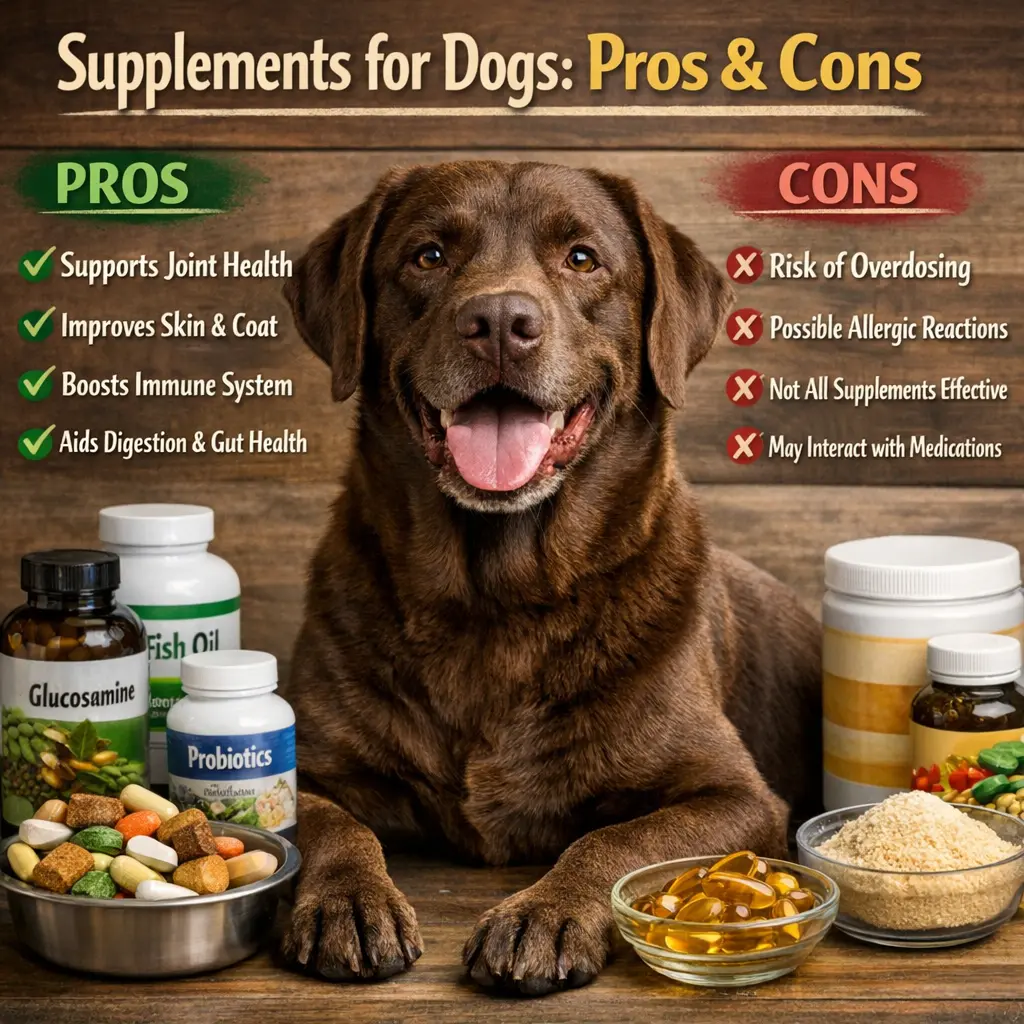
Avoid known allergens or triggers, prevent abrupt diet changes, and be cautious with grain-free diets and unverified supplements; always coordinate with a veterinarian for tailored recommendations.