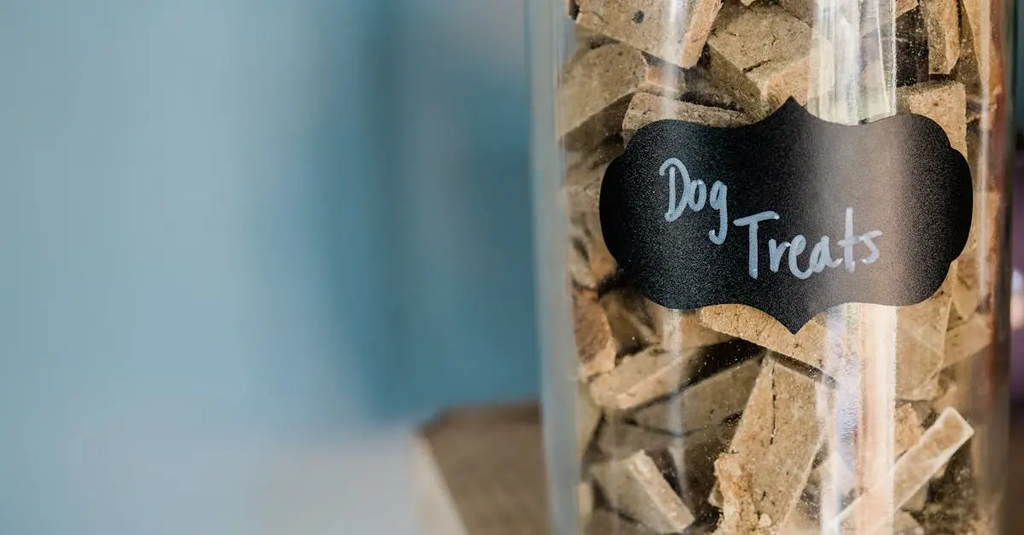
Feeding dogs with diabetes requires a carefully managed diet to help regulate their blood sugar levels. Meals should be consistent in timing and portion size, typically high in fiber and complex carbohydrates to slow glucose absorption. Low-fat, high-quality protein sources are recommended, and treats should be limited or chosen specifically for diabetic dogs. Regular feeding schedules paired with insulin therapy are crucial, and any dietary changes should be made under veterinary guidance.
Feeding Dogs with Diabetes
Feeding dogs with diabetes requires a carefully managed diet to help regulate their blood sugar levels. Meals should be consistent in timing and portion size, typically high in fiber and complex carbohydrates to slow glucose absorption. Low-fat, high-quality protein sources are recommended, and treats should be limited or chosen specifically for diabetic dogs. Regular feeding schedules paired with insulin therapy are crucial, and any dietary changes should be made under veterinary guidance.
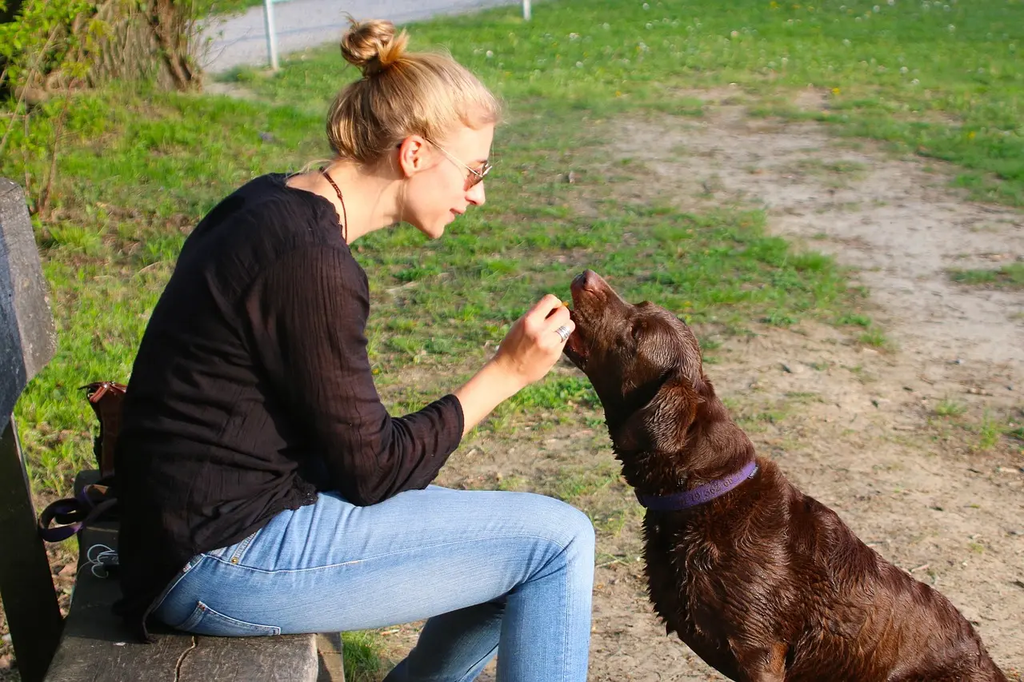
💡 Key Takeaways
- Understand how diabetes affects a dog's metabolism and why diet can help manage glucose levels.
- Identify diabetes-friendly ingredients—high fiber, moderate fat, and lean protein—and how they influence blood sugar.
- Learn how to plan regular, portion-controlled meals and align feeding with insulin administration.
- Know which human foods to avoid and safe, dog-friendly options suitable for diabetic dogs.
- Learn how to read dog food labels to compare carbohydrate content and select appropriate options.
❓ Frequently Asked Questions
What role does diet play in diabetes management for dogs?
Diet helps stabilize blood sugar between insulin doses by providing steady calories, fiber, and controlled carbohydrates; pair it with a consistent feeding schedule and an insulin plan.
What should a diabetic dog's diet include?
A vet-guided diet with high-quality protein, moderate fat, and complex carbohydrates (high fiber) to slow glucose absorption; avoid high-sugar treats.
How should feeding and insulin timing be coordinated?
Feed at the same times you give insulin and keep portions consistent; do not skip meals or adjust insulin doses without veterinary advice.
Which foods or treats should be avoided?
Avoid sugary foods, most human snacks, chocolate, grapes/raisins, onions/garlic; avoid drastic dietary changes; limit high-fat foods to reduce pancreatitis risk.
What warning signs should prompt a vet visit?
Signs of low blood sugar: weakness, trembling, confusion; high blood sugar: increased thirst, urination, weight loss; vomiting or lethargy—contact your vet promptly.