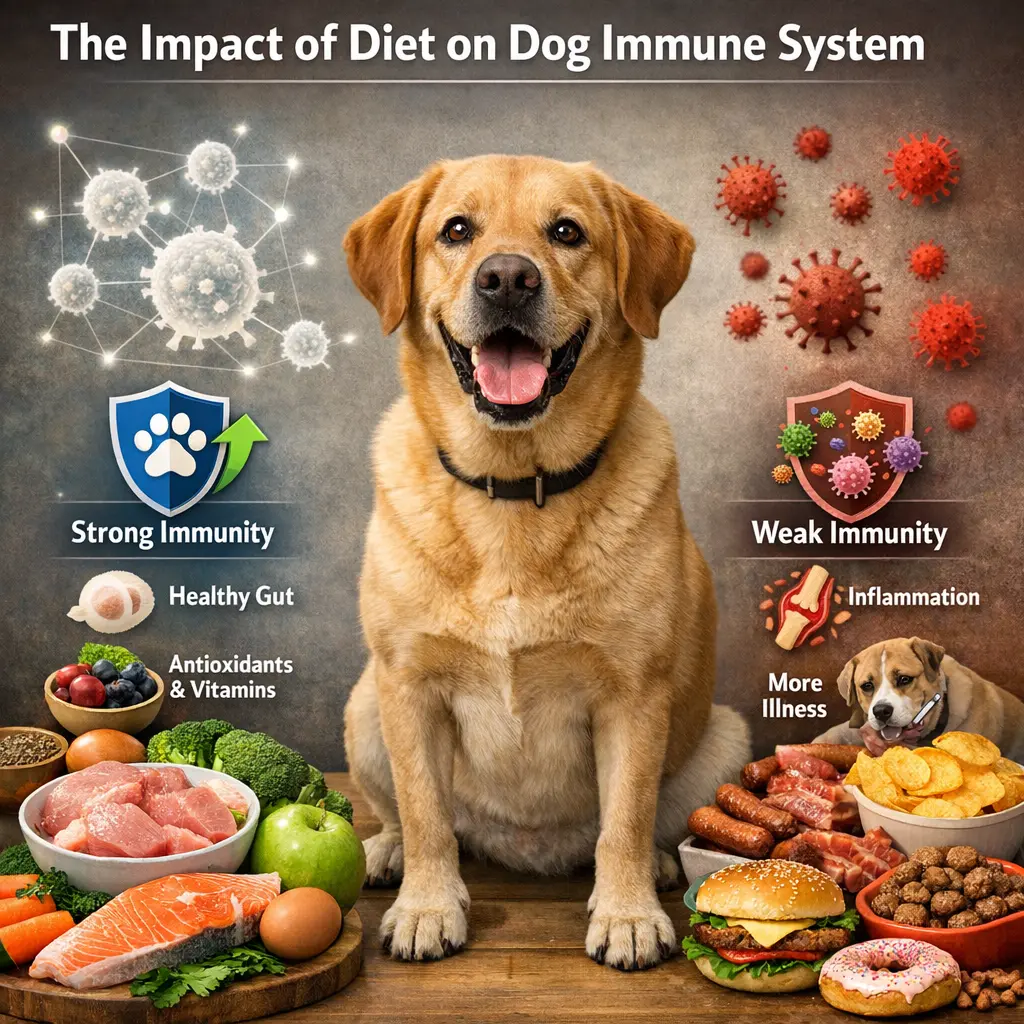
Feeding dogs with kidney disease requires a specialized diet to support kidney function and slow disease progression. Such a diet is typically low in protein, phosphorus, and sodium, helping reduce kidney workload and toxin buildup. High-quality, easily digestible proteins are preferred, while adequate hydration is crucial. Prescription renal diets, formulated by veterinarians, often include added omega-3 fatty acids and antioxidants to support overall health and manage symptoms associated with kidney disease.
Feeding Dogs with Kidney Disease
Feeding dogs with kidney disease requires a specialized diet to support kidney function and slow disease progression. Such a diet is typically low in protein, phosphorus, and sodium, helping reduce kidney workload and toxin buildup. High-quality, easily digestible proteins are preferred, while adequate hydration is crucial. Prescription renal diets, formulated by veterinarians, often include added omega-3 fatty acids and antioxidants to support overall health and manage symptoms associated with kidney disease.
💡 Key Takeaways
- Understand how kidney disease affects a dog's nutrition and why diet is central to management
- Learn common dietary adjustments used for kidney disease (phosphorus control, protein quality, hydration) and how they help
- Know how to evaluate kidney-friendly dog foods and the role of your veterinarian in tailoring a plan
- Identify at-home monitoring signs (appetite, weight, thirst/urination, energy) and when to seek veterinary care
❓ Frequently Asked Questions
What is kidney disease in dogs, and what are common signs?
Kidney disease means the kidneys aren’t filtering waste well. Common signs include increased thirst and urination, weight loss, poor appetite, vomiting, bad breath, lethargy, and coat changes. If you notice these, consult a veterinarian.
Why is diet important for dogs with kidney disease?
A kidney-friendly diet helps reduce the workload on the kidneys, supports energy and body condition, and aids in maintaining mineral balance. It can slow progression and improve quality of life under veterinary guidance.
What nutrients are typically adjusted in a renal dog diet?
Phosphorus is usually lowered; protein is provided as high-quality sources at appropriate levels; calories and fat are balanced to prevent malnutrition; sodium may be limited; omega-3 fatty acids are often added. Always follow your veterinarian’s prescribed diet.
Can I feed my dog human foods if they have kidney disease?
Prefer veterinary-approved renal diets or vet-guided homemade plans. Many non-prescription foods can disturb mineral balance or add phosphorus/sodium. Avoid high-phosphorus foods and salt; consult your vet before changing meals.