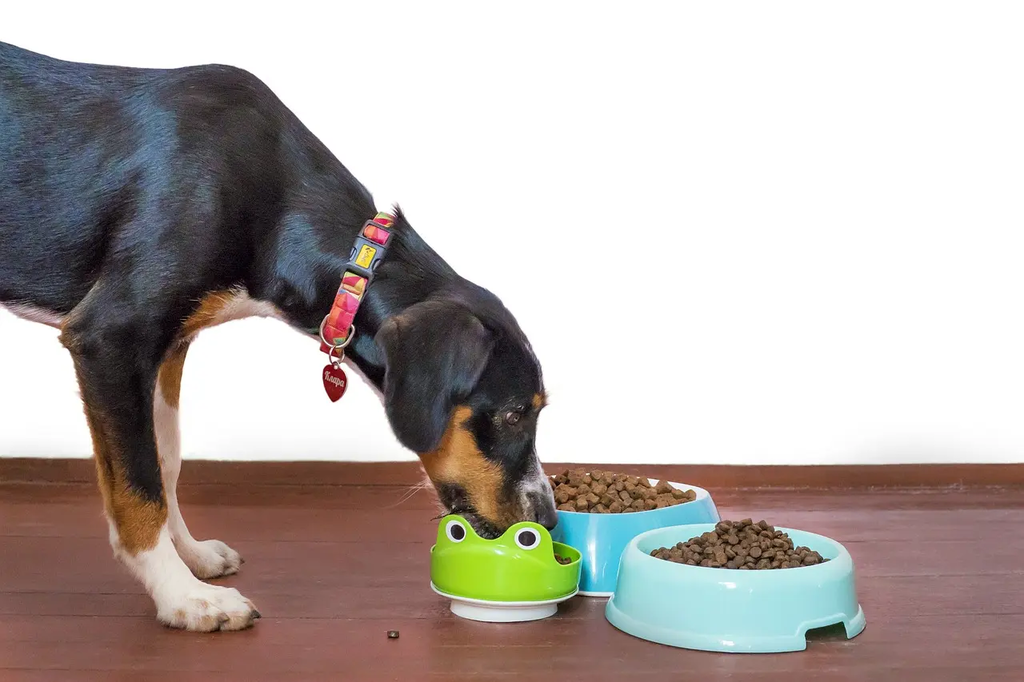
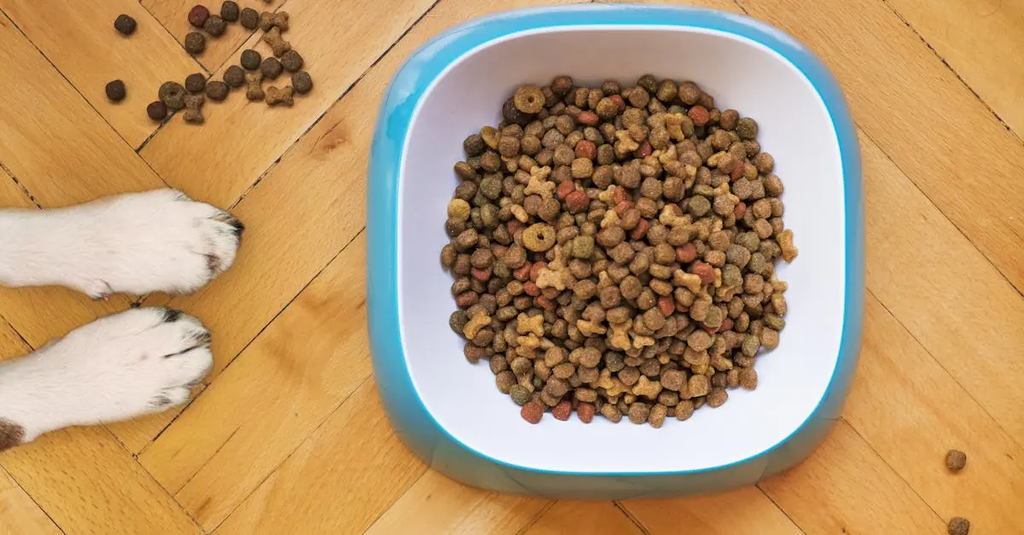
Feeding dogs with liver disease requires a specialized diet to reduce liver workload and support recovery. Such diets are typically low in copper and moderate in high-quality protein, while being rich in easily digestible carbohydrates and essential vitamins. Supplementation with antioxidants and omega-3 fatty acids may also be beneficial. Frequent, smaller meals help maintain energy levels and minimize stress on the liver, promoting overall health and improved quality of life for affected dogs.
Feeding Dogs with Liver Disease
Feeding dogs with liver disease requires a specialized diet to reduce liver workload and support recovery. Such diets are typically low in copper and moderate in high-quality protein, while being rich in easily digestible carbohydrates and essential vitamins. Supplementation with antioxidants and omega-3 fatty acids may also be beneficial. Frequent, smaller meals help maintain energy levels and minimize stress on the liver, promoting overall health and improved quality of life for affected dogs.
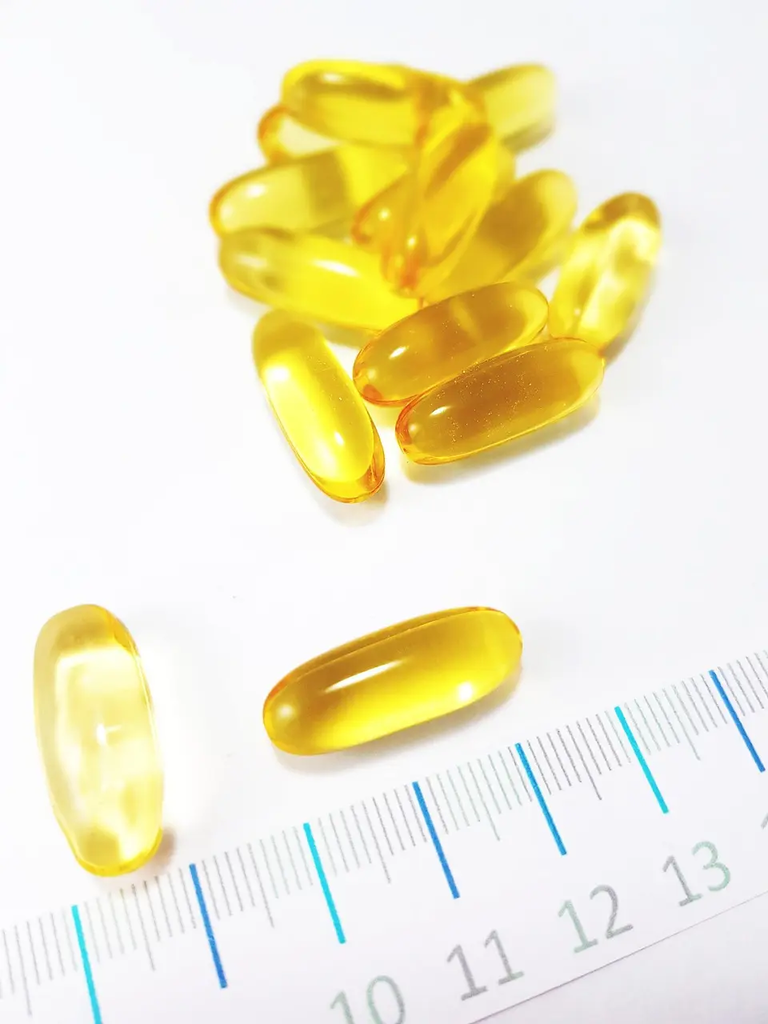
💡 Key Takeaways
- How liver disease changes a dog's nutritional needs (energy, protein tolerance, and fat).
- What hepatic diets are and what to look for on labels (digestible protein, copper control, omega-3s).
- Practical feeding tips like smaller, more frequent meals, palatability, and staying hydrated to support liver health.
- When to seek veterinary guidance and how to monitor progress (weight, appetite, energy, and stool changes).
❓ Frequently Asked Questions
What is liver disease in dogs and how does it affect feeding?
Liver disease means the liver isn’t functioning well, which can affect digestion, toxin removal, and energy use. Feeding goals are easy-to-digest meals with enough calories to support health, while avoiding foods that stress the liver. Follow your veterinarian’s specific plan.
What kind of diet is typically recommended for dogs with liver disease?
Many dogs do best on a prescription hepatic diet or a vet-approved plan that is highly digestible, uses high-quality protein, contains moderate fat, and limits certain minerals (like copper in specific conditions). Smaller, more frequent meals can help reduce toxin buildup.
Should protein intake be restricted for dogs with liver disease?
Protein is important to prevent muscle loss. Most dogs do well with high-quality protein on a liver-support diet, but in some cases of hepatic encephalopathy a veterinarian may temporarily adjust protein intake.
How do I transition to a liver-friendly diet and what signs require a vet’s attention?
Transition gradually over 7–10 days by mixing the new food with the old. Monitor for vomiting, diarrhea, weight loss, or reduced appetite. If these occur or if there’s worsening lethargy or confusion, contact your vet.