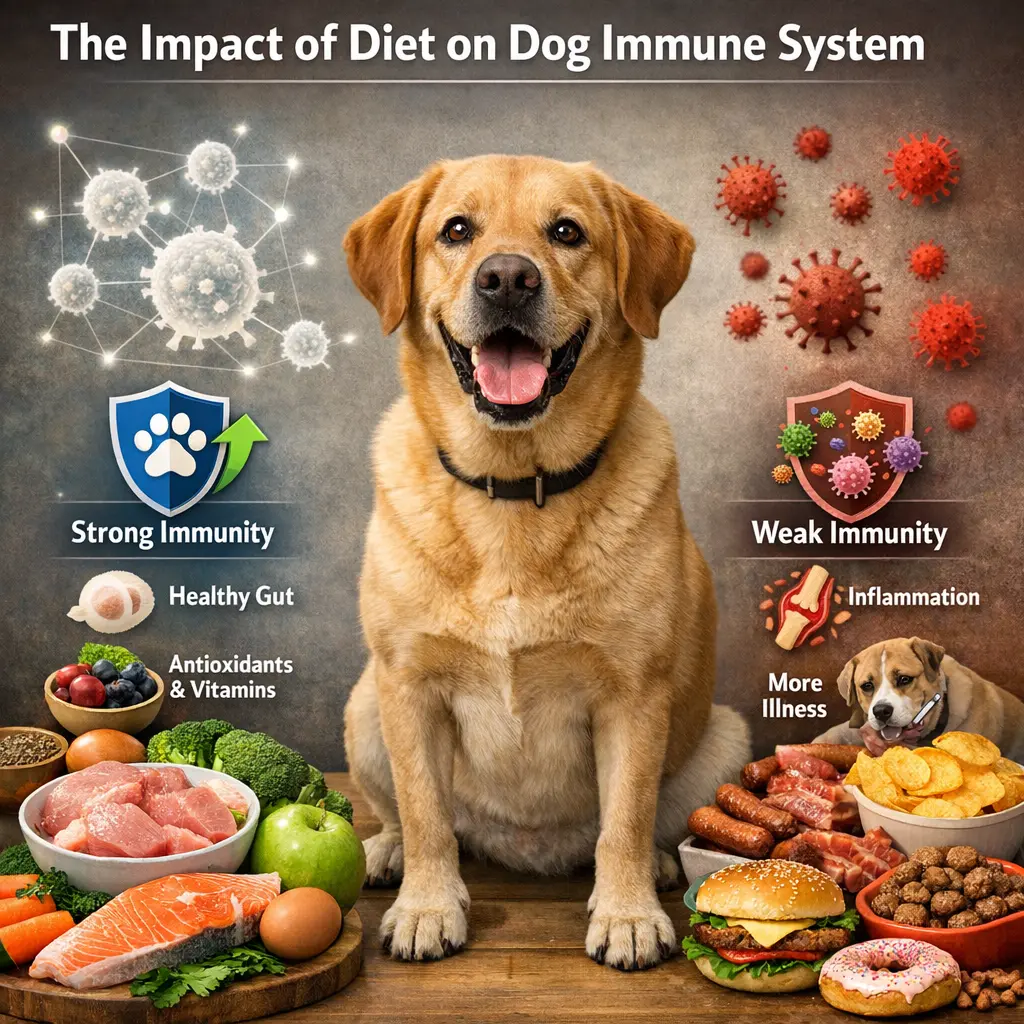
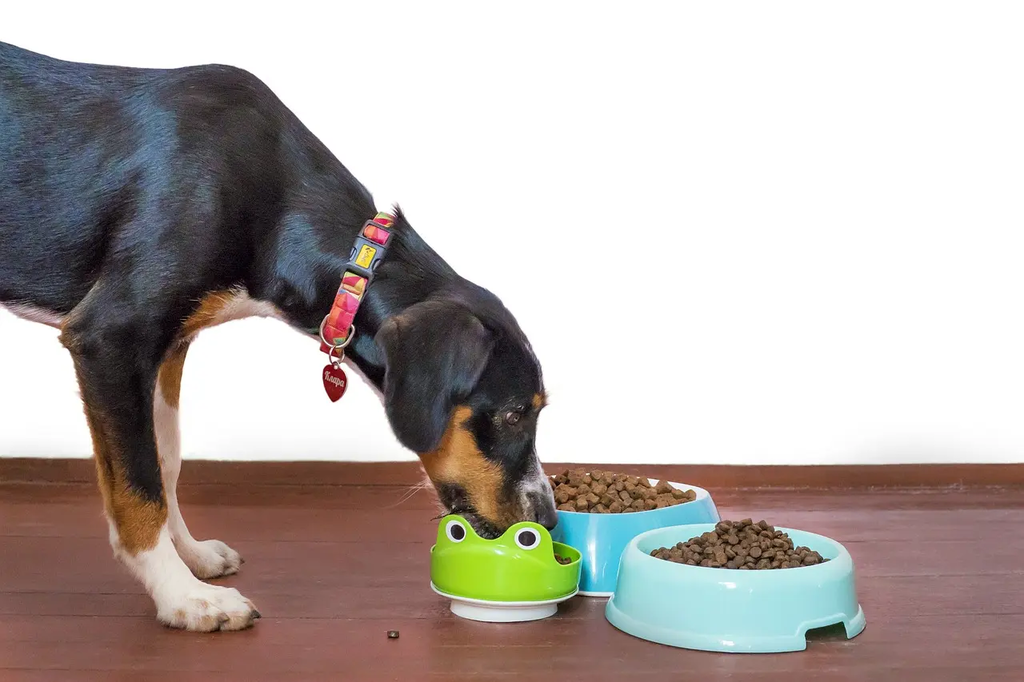
Feeding dogs with rare genetic disorders requires a carefully tailored diet to address their unique health needs. Specialized nutrition can help manage symptoms, support organ function, and prevent complications associated with their condition. Veterinarians may recommend hypoallergenic, low-protein, or prescription diets based on the disorder. Regular monitoring and dietary adjustments are essential to ensure the dog receives balanced nutrients, maintains a healthy weight, and enjoys an improved quality of life.
Feeding Dogs with Rare Genetic Disorders
Feeding dogs with rare genetic disorders requires a carefully tailored diet to address their unique health needs. Specialized nutrition can help manage symptoms, support organ function, and prevent complications associated with their condition. Veterinarians may recommend hypoallergenic, low-protein, or prescription diets based on the disorder. Regular monitoring and dietary adjustments are essential to ensure the dog receives balanced nutrients, maintains a healthy weight, and enjoys an improved quality of life.
💡 Key Takeaways
- Understand how rare genetic disorders can affect a dog's metabolism and nutritional needs.
- Learn the steps to obtain a veterinary diagnosis and work with a veterinary nutritionist to tailor a diet.
- Recognize the role of therapeutic or prescription diets and how ingredients and nutrient balance are chosen for these conditions.
- Know how to monitor a dog on a special diet—watch for weight, energy, digestion, and when to adjust with your veterinarian.
❓ Frequently Asked Questions
What are rare genetic disorders in dogs that affect feeding or metabolism?
They are inherited conditions caused by gene mutations that alter how nutrients are processed, energy is produced, or nutrients are absorbed, often requiring specialized diets and veterinary management.
How can a diet help a dog with a metabolic or genetic disorder?
A veterinary nutritionist can design a tailored diet to meet the dog's energy needs, avoid trigger nutrients, and support metabolic stability with ongoing monitoring.
What signs indicate a diet may need adjustment for a dog with a genetic disorder?
Unexplained weight changes, lethargy, vomiting, diarrhea, seizures, or hypoglycemia despite meals should prompt a veterinary evaluation.
Should I modify my dog's diet without professional guidance?
No. Do not change food or start supplements without veterinary supervision to ensure safety and effectiveness.