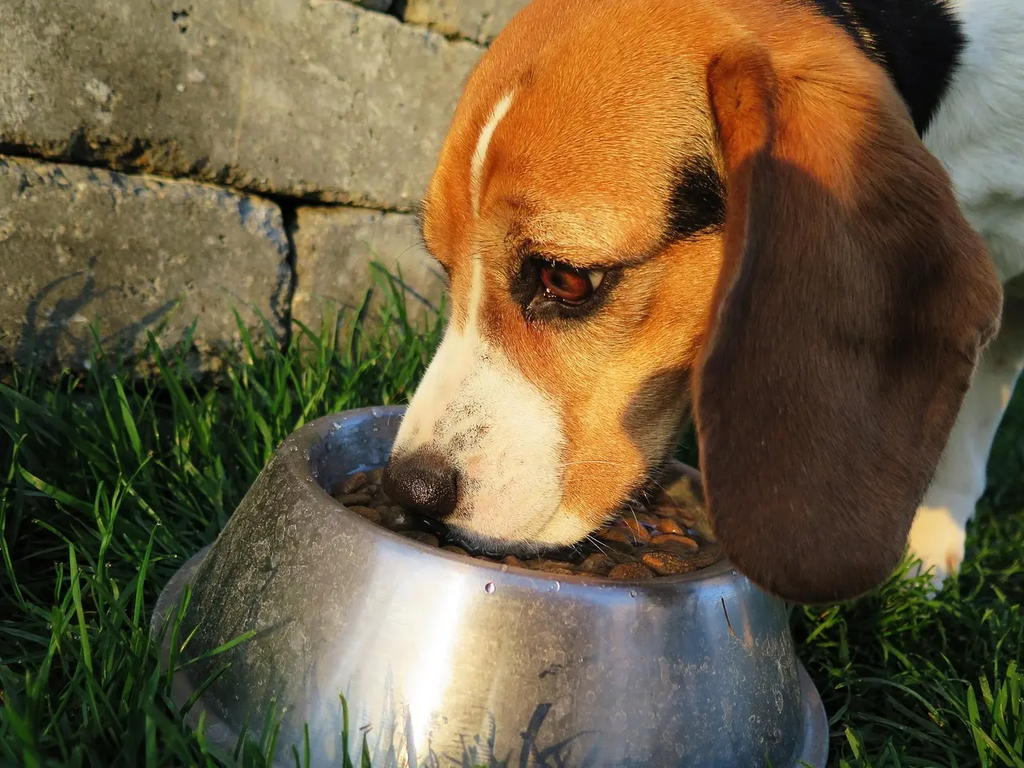
Feeding dogs with ultra-rare disorders requires a highly specialized diet tailored to their unique medical needs. These diets are often formulated in consultation with veterinary nutritionists and may include prescription foods, novel protein sources, or specific nutrient adjustments. Careful monitoring and regular health assessments are essential to ensure the dog receives adequate nutrition while managing symptoms and avoiding ingredients that could trigger adverse reactions or worsen their condition.
Feeding Dogs with Ultra-Rare Disorders
Feeding dogs with ultra-rare disorders requires a highly specialized diet tailored to their unique medical needs. These diets are often formulated in consultation with veterinary nutritionists and may include prescription foods, novel protein sources, or specific nutrient adjustments. Careful monitoring and regular health assessments are essential to ensure the dog receives adequate nutrition while managing symptoms and avoiding ingredients that could trigger adverse reactions or worsen their condition.

💡 Key Takeaways
- Understand how ultra-rare canine disorders can affect a dog's nutritional needs and appetite.
- Appreciate the role of individualized diets and veterinary guidance in managing rare conditions.
- Identify warning signs that a diet isn't meeting a dog's needs and when to seek professional advice.
- Learn where to find reliable, evidence-based nutrition information for dogs with rare disorders.
❓ Frequently Asked Questions
What does 'ultra-rare disorder' mean for dogs?
It refers to extremely uncommon genetic or metabolic conditions. Each disorder can affect nutrition differently, so diagnosis and dietary management should be guided by a veterinarian.
How can diet help manage ultra-rare disorders in dogs?
Some conditions respond to specialized diets that adjust certain nutrients. Dietary therapy is individualized and should be planned with a vet or veterinary nutritionist.
What should I consider when choosing a diet for a dog with a rare disorder?
Understand the disorder’s dietary implications, prioritize balanced nutrition, prefer veterinarian‑formulated therapeutic diets, and avoid unverified DIY recipes.
Is home cooking safe for dogs with ultra-rare disorders?
Home cooking can be used under professional guidance, but it carries risks of nutrient imbalances. Work with a veterinary nutritionist to ensure all needs are met.
What signs indicate the diet isn’t helping and should prompt a vet visit?
Worsening symptoms (vomiting, diarrhea, weight changes, lethargy), intolerance to the diet, or new health issues should prompt a veterinary review.