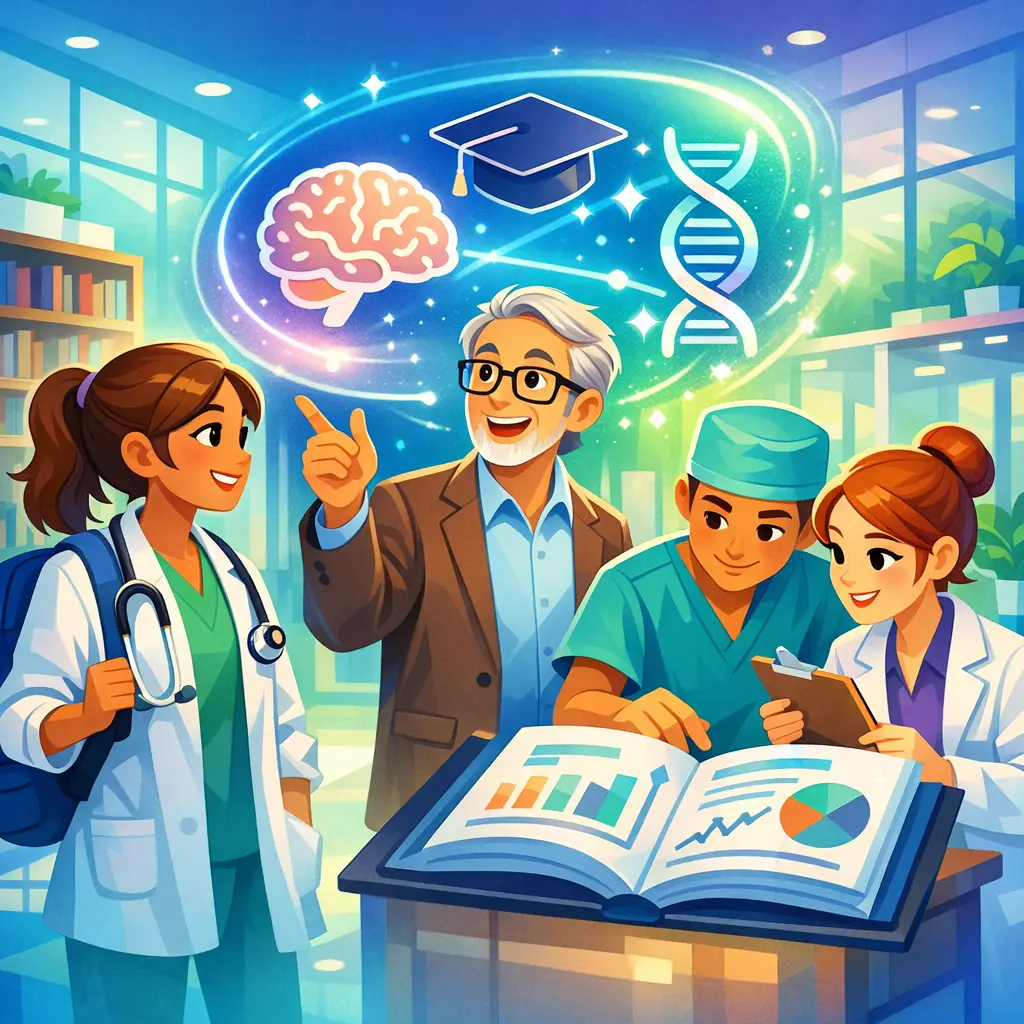
Fertility Medicine & Reproductive Endocrinology careers focus on diagnosing and treating reproductive health issues, including infertility, hormonal disorders, and menstrual problems. Professionals in this field, such as reproductive endocrinologists, use advanced medical techniques like IVF, hormone therapy, and surgical procedures to help individuals and couples conceive. These careers require specialized training in both medicine and endocrinology, offering opportunities to make a significant impact on patients’ lives by supporting family-building and reproductive health.
Fertility Medicine & Reproductive Endocrinology Careers
Fertility Medicine & Reproductive Endocrinology careers focus on diagnosing and treating reproductive health issues, including infertility, hormonal disorders, and menstrual problems. Professionals in this field, such as reproductive endocrinologists, use advanced medical techniques like IVF, hormone therapy, and surgical procedures to help individuals and couples conceive. These careers require specialized training in both medicine and endocrinology, offering opportunities to make a significant impact on patients’ lives by supporting family-building and reproductive health.
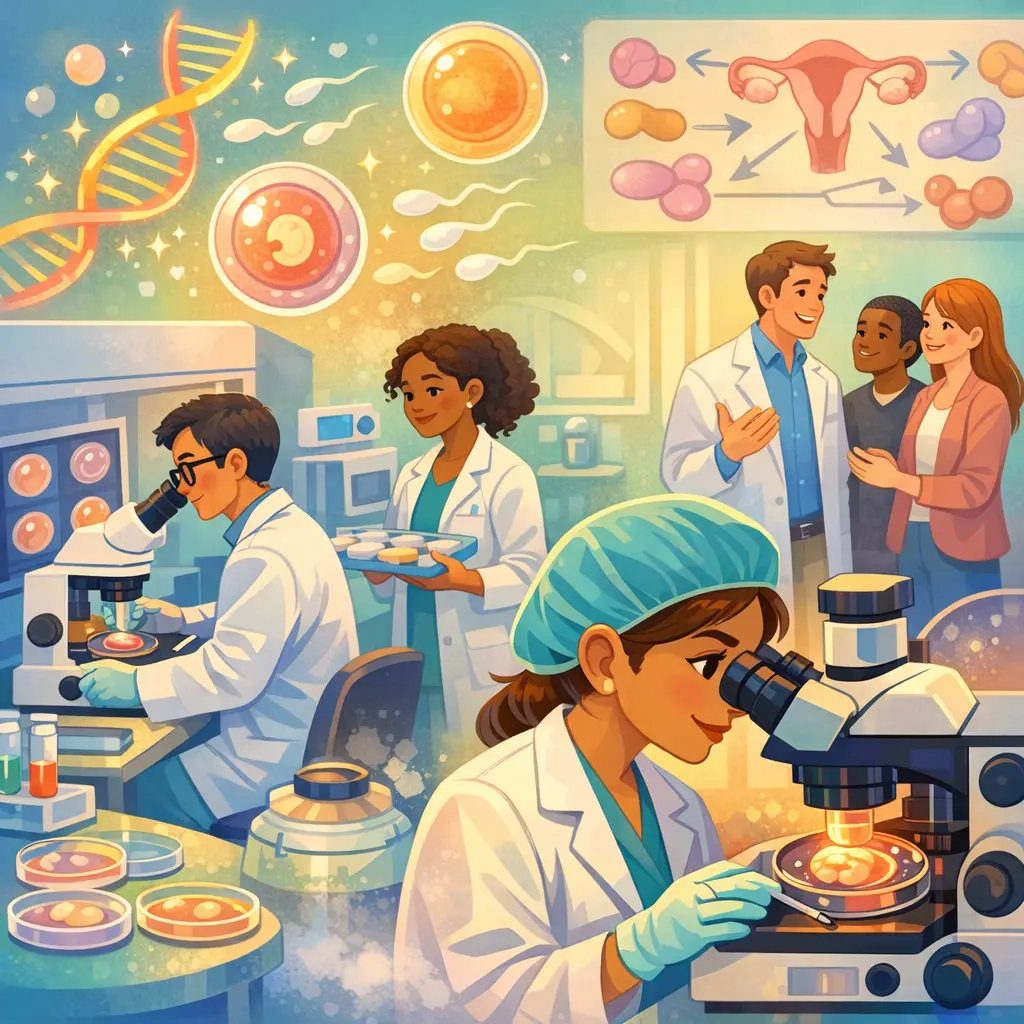
💡 Key Takeaways
- Define what fertility medicine and reproductive endocrinology involve as medical careers.
- Identify common conditions and treatments you'd encounter (e.g., infertility workups, IVF, ICSI).
- Outline typical training paths, fellowships, and board certifications for clinicians in this field.
- Describe a day in the life of a fertility clinician and the multidisciplinary team you'll work with.
❓ Frequently Asked Questions
What is a career in fertility medicine & reproductive endocrinology?
A medical specialty focused on diagnosing and treating infertility and hormonal disorders that affect reproduction, including hormone testing, fertility counseling, and advanced assisted reproductive technologies.
What training is required to become a reproductive endocrinologist?
Typically, medical school, followed by a residency in obstetrics/gynecology (or endocrinology), then a fellowship in reproductive endocrinology and infertility (REI). Board certification is common where available.
What do fertility specialists do day-to-day?
They evaluate reproductive health, order tests (hormone levels, ultrasound), diagnose infertility causes, counsel on treatment options, perform procedures like IVF/ICSI, and manage related endocrine or gynecologic conditions.
What are common fertility treatments and technologies?
Medications to regulate or induce ovulation, intrauterine insemination (IUI), in vitro fertilization (IVF) with or without ICSI, egg/embryo donation, and egg freezing (oocyte cryopreservation).
How does this specialty differ from a general OB-GYN?
REI focuses specifically on infertility and hormonal reproductive issues, typically requiring subspecialty fellowship and expertise in advanced ART beyond routine obstetric and gynecologic care.