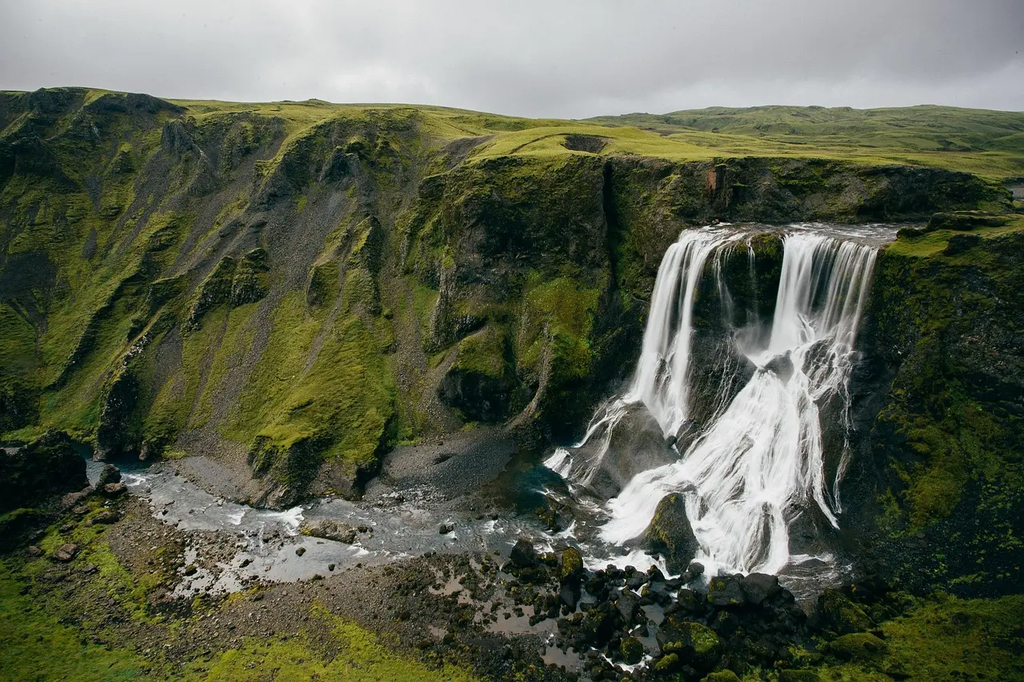
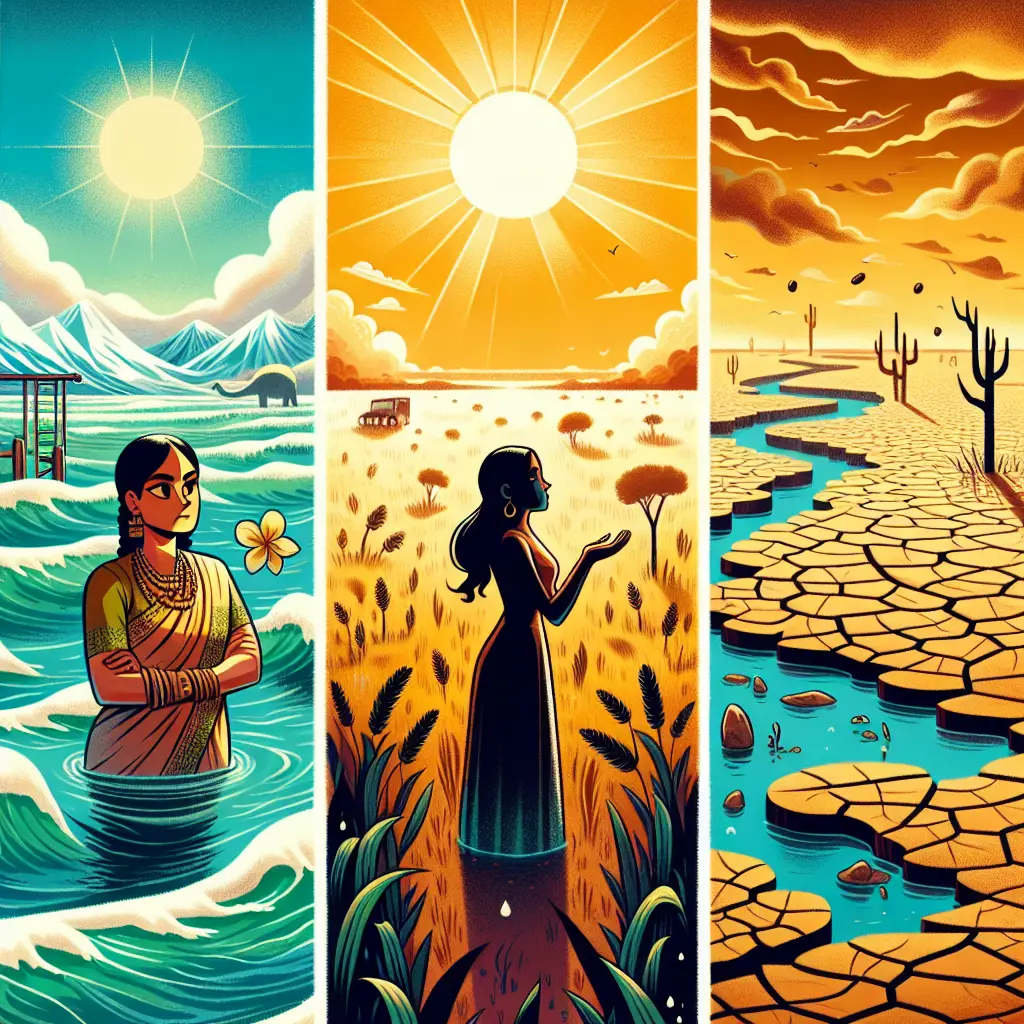
Floods, heatwaves, and droughts are extreme weather events that significantly impact the environment and human societies. Floods involve excessive water inundation, damaging property and displacing communities. Heatwaves are prolonged periods of excessively high temperatures, posing health risks and straining energy resources. Droughts refer to extended periods of insufficient rainfall, leading to water shortages, crop failures, and economic losses. These events are increasingly linked to climate change and require effective mitigation strategies.
Floods, Heatwaves & Droughts
Floods, heatwaves, and droughts are extreme weather events that significantly impact the environment and human societies. Floods involve excessive water inundation, damaging property and displacing communities. Heatwaves are prolonged periods of excessively high temperatures, posing health risks and straining energy resources. Droughts refer to extended periods of insufficient rainfall, leading to water shortages, crop failures, and economic losses. These events are increasingly linked to climate change and require effective mitigation strategies.
💡 Key Takeaways
- Explain how floods form and their impacts on infrastructure, property, and communities.
- Describe heatwaves: how prolonged high temperatures develop and the associated health risks for vulnerable groups.
- Identify drought causes and their effects on water supply, agriculture, and ecosystems.
- Differentiate between weather and climate in the context of extremes and explain how climate change influences their frequency and intensity.
- Outline practical preparedness and response steps for floods, heatwaves, and droughts (early warnings, safety measures, and resource conservation).
❓ Frequently Asked Questions
What are floods, heatwaves, and droughts?
Floods occur when water covers land that is normally dry due to heavy rainfall or overflowing rivers/coasts. Heatwaves are extended periods of unusually high temperatures that threaten health and infrastructure. Droughts are prolonged dry spells with below‑average rainfall, leading to water shortages and ecological stress.
What causes these events to happen, and how is climate change involved?
Floods come from heavy rain, rapid snowmelt, or storm surges. Heatwaves arise from persistent high-pressure systems and overall warming. Droughts result from extended dry conditions and high evaporation. Climate change can intensify the frequency and severity of all three.
Why are floods, heatwaves, and droughts dangerous?
Floods can cause drowning, injuries, and property damage. Heatwaves increase risk of heat illness, dehydration, and strain on health systems. Droughts reduce water and food supplies and raise wildfire risk and ecological stress.
How can people stay safe and prepared for these events?
Floods: monitor alerts, move to higher ground, avoid floodwater. Heatwaves: stay hydrated, seek shade or air conditioning, limit outdoor activity, check vulnerable neighbors. Droughts: conserve water, follow local restrictions, use water-efficient practices, stay informed about supplies.