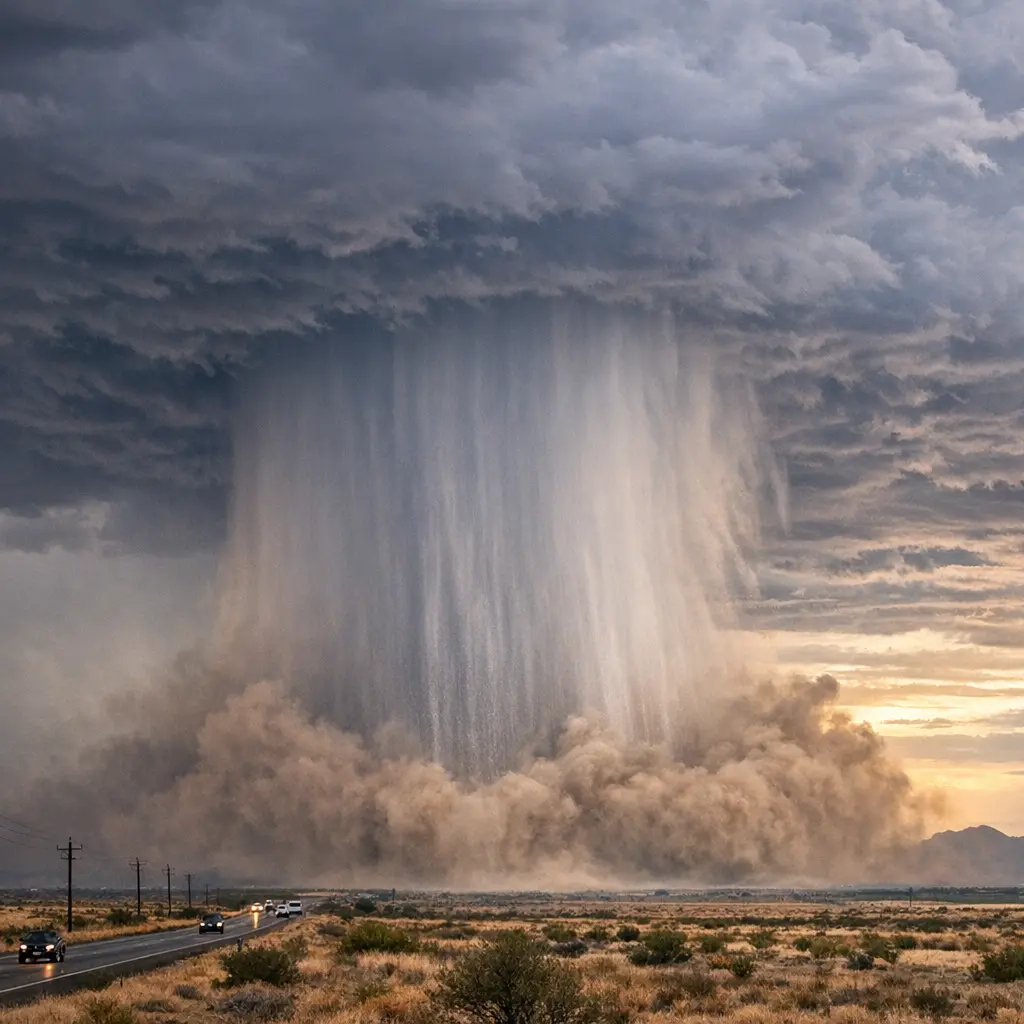
Floods, often considered nature’s scary side, occur when water overflows onto normally dry land, usually due to heavy rainfall, river overflow, or rapid snowmelt. These natural disasters can cause widespread destruction, sweeping away homes, vehicles, and infrastructure. Floods disrupt communities, threaten lives, and lead to waterborne diseases. Their suddenness and power highlight the unpredictable and sometimes dangerous force of nature, reminding us of our vulnerability to environmental events.
Floods+50
Floods, often considered nature’s scary side, occur when water overflows onto normally dry land, usually due to heavy rainfall, river overflow, or rapid snowmelt. These natural disasters can cause widespread destruction, sweeping away homes, vehicles, and infrastructure. Floods disrupt communities, threaten lives, and lead to waterborne diseases. Their suddenness and power highlight the unpredictable and sometimes dangerous force of nature, reminding us of our vulnerability to environmental events.

💡 Key Takeaways
- Understand the main causes of floods (heavy rainfall, river overflow, storm surge, dam or levee failure) and how climate and land use affect flood risk.
- Learn the different flood types (flash floods, river floods, coastal floods) and where they typically occur.
- Identify potential flood impacts on people, property, and infrastructure and how risk varies by location.
- Discover key preparedness and response steps, including early warning, evacuation planning, and basic mitigation measures.
❓ Frequently Asked Questions
What is a flood?
An overflow of water that covers normally dry land, caused by heavy rain, snowmelt, coastal surge, or dam failure.
What causes floods?
Prolonged or intense rainfall, rapid snowmelt, storms or tropical cyclones, dam or levee failures, or high tides/storm surge.
What are common flood types?
River floods, flash floods, coastal floods, and urban floods.
How can you stay safe during a flood?
Move to higher ground, avoid walking or driving through floodwater, and follow official instructions.