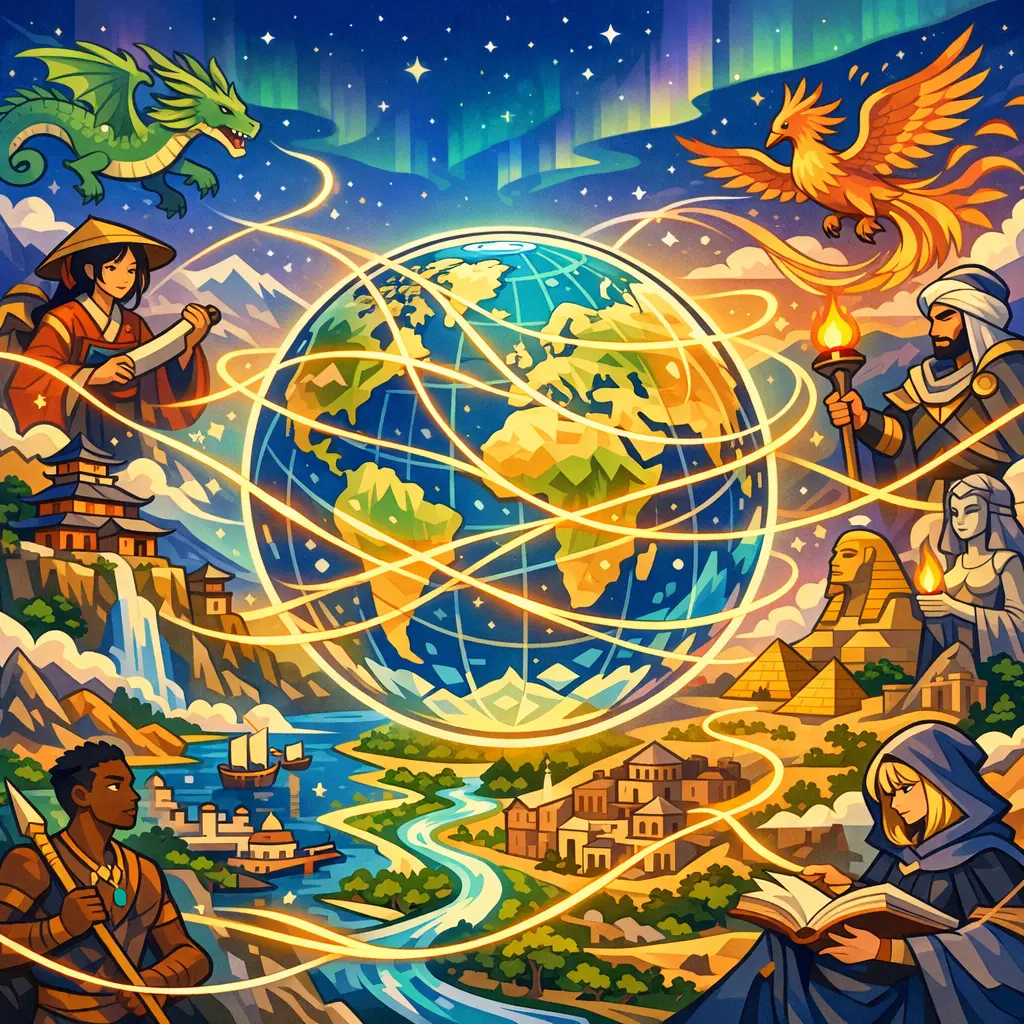
The phrase refers to the collective unity and cooperation among diverse groups worldwide, emphasizing the importance of building alliances (coalitions) across different cultures, religions, and societal backgrounds. Intersectionality highlights how various aspects of identity—such as culture, religion, and social status—interact and influence experiences of privilege or oppression. Together, these concepts promote inclusive collaboration, recognizing and respecting differences to address global challenges and achieve shared goals.
Global Solidarity, Coalitions & Intersectionality
The phrase refers to the collective unity and cooperation among diverse groups worldwide, emphasizing the importance of building alliances (coalitions) across different cultures, religions, and societal backgrounds. Intersectionality highlights how various aspects of identity—such as culture, religion, and social status—interact and influence experiences of privilege or oppression. Together, these concepts promote inclusive collaboration, recognizing and respecting differences to address global challenges and achieve shared goals.
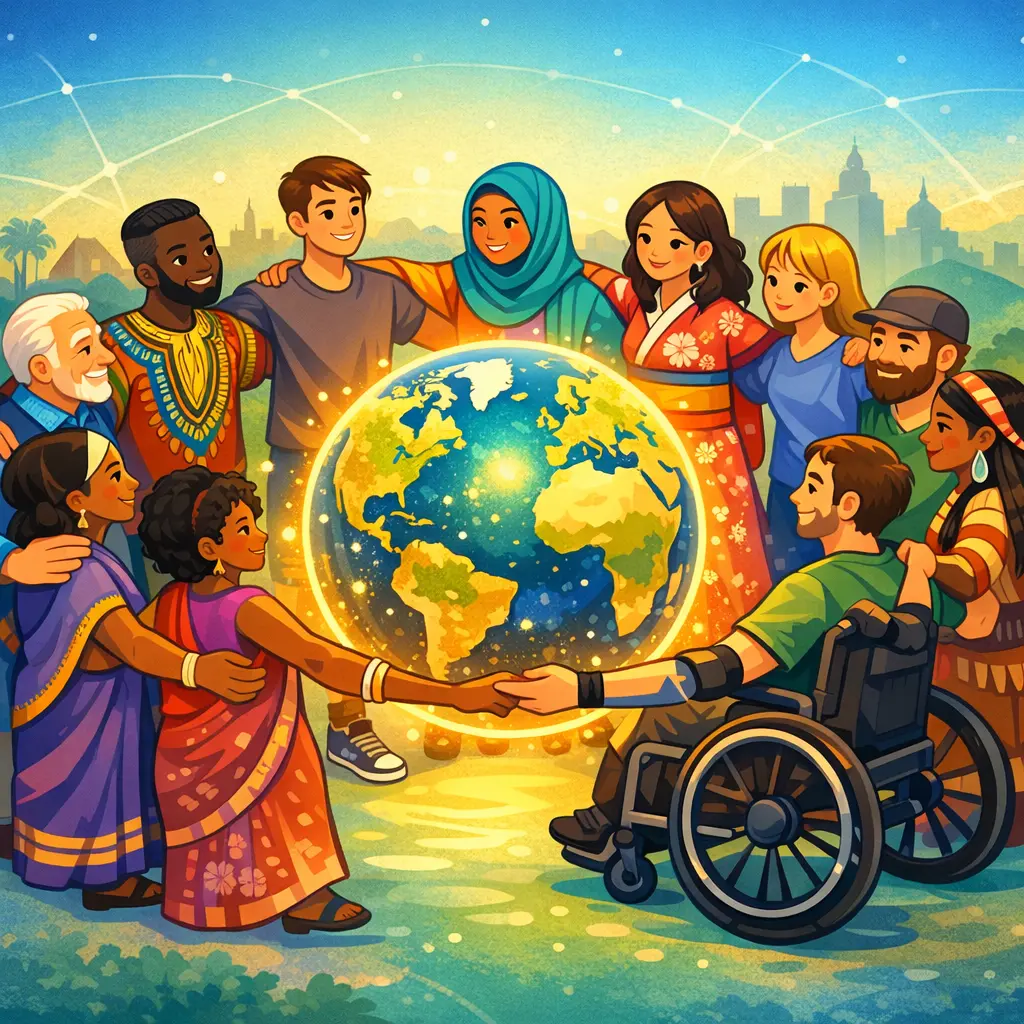
💡 Key Takeaways
- Understand global solidarity and why coalitions across cultures and religions are essential to address shared challenges.
- Learn how to build inclusive coalitions that span diverse cultural, religious, and societal backgrounds.
- Grasp intersectionality and how overlapping identities (culture, religion, race, gender, class, sexuality) shape experiences and collaboration needs.
- Identify practical strategies for cross-cultural collaboration, including inclusive leadership, equitable decision-making, active listening, and culturally sensitive communication.
❓ Frequently Asked Questions
What is global solidarity and why does it matter?
Global solidarity is the commitment of diverse groups worldwide to support one another, share resources, and work together to address common challenges like human rights, poverty, climate, and peace.
What is a coalition in the context of social change?
A coalition is an alliance of organizations or communities that coordinates actions and resources to pursue a shared goal across cultures, religions, or societies.
What does intersectionality mean when discussing culture, religion, and society?
Intersectionality is a framework that shows how overlapping identities—such as culture, religion, race, gender, and class—shape experiences, access to power, and opportunities.
How can intersectionality inform inclusive policy and program design?
It helps by acknowledging diverse experiences, avoiding one-size-fits-all solutions, ensuring representation, and addressing multiple forms of discrimination at once.
What are practical steps to build cross-cultural coalitions?
Identify shared goals, foster inclusive leadership, practice active listening, distribute resources fairly, and maintain open, respectful communication across groups.