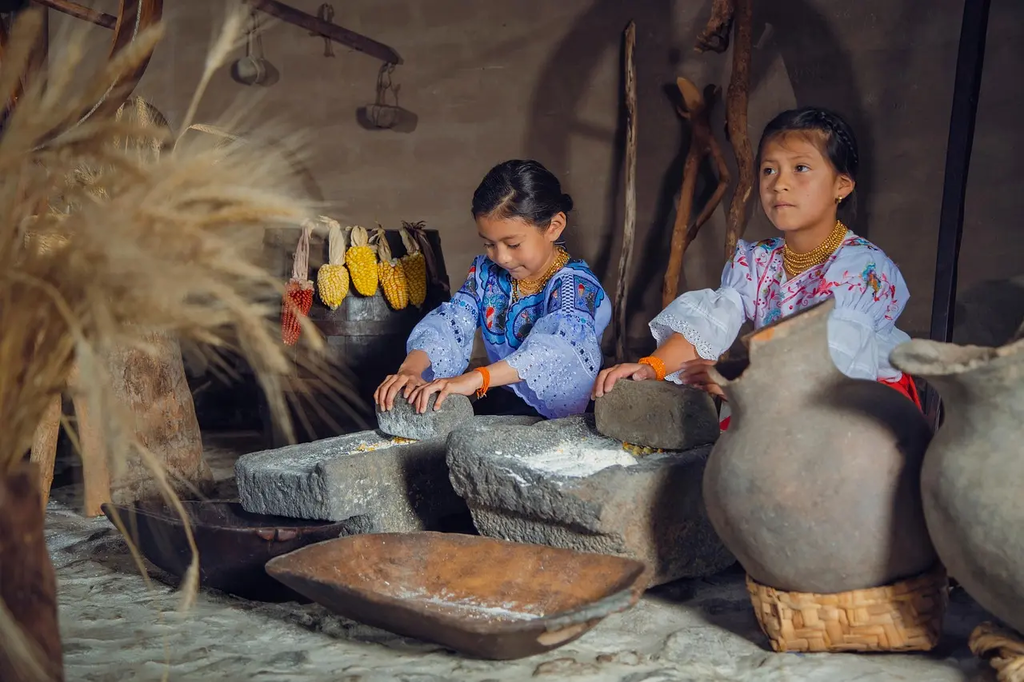
Globalization of cuisines and fusion foodways refers to the blending and spread of culinary traditions across cultures, often influenced by migration, travel, and global trade. This phenomenon leads to the creation of new dishes that integrate ingredients, techniques, and flavors from diverse backgrounds. It also reflects cultural exchange, adaptation, and sometimes tension, as religious and societal values shape what foods are accepted or transformed within different communities worldwide.
Globalization of Cuisines & Fusion Foodways
Globalization of cuisines and fusion foodways refers to the blending and spread of culinary traditions across cultures, often influenced by migration, travel, and global trade. This phenomenon leads to the creation of new dishes that integrate ingredients, techniques, and flavors from diverse backgrounds. It also reflects cultural exchange, adaptation, and sometimes tension, as religious and societal values shape what foods are accepted or transformed within different communities worldwide.
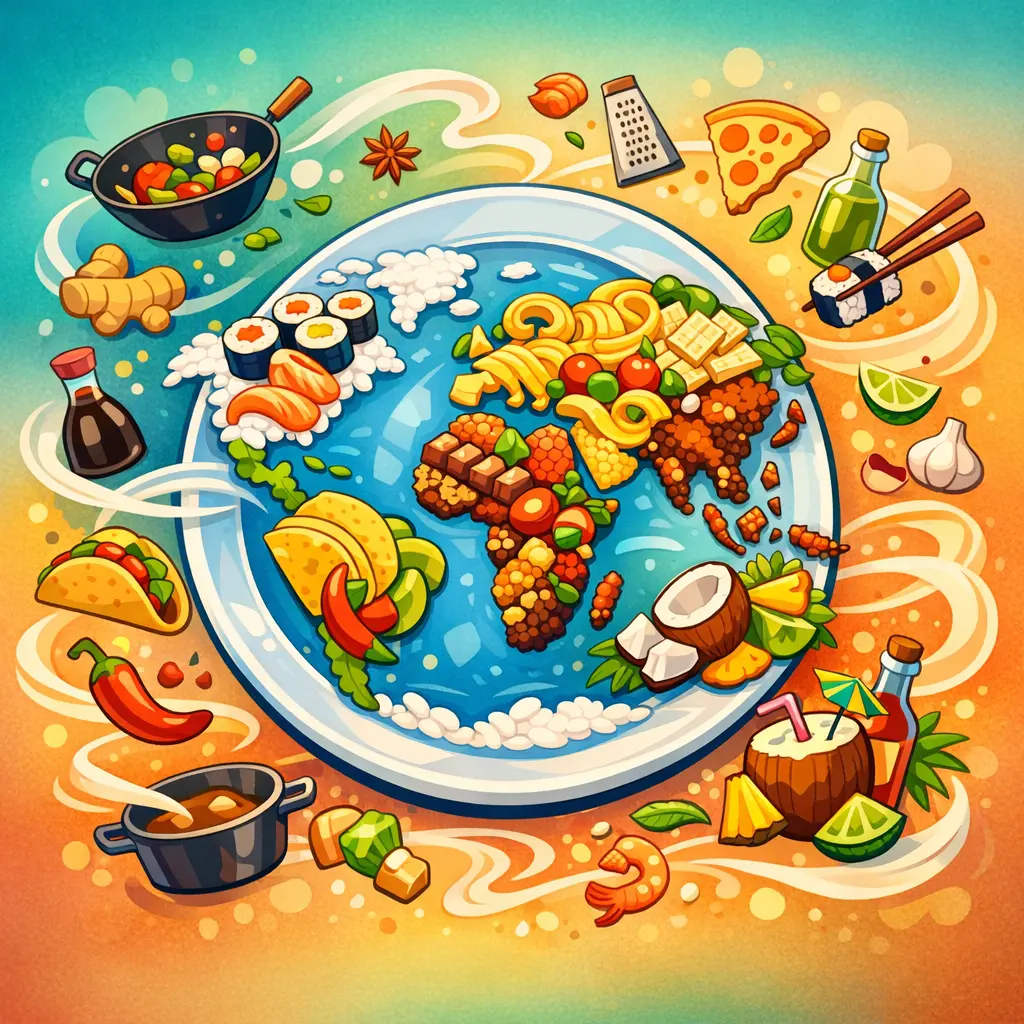
💡 Key Takeaways
- Understand how globalization expands access to ingredients and cooking techniques across cultures.
- Identify common fusion patterns where flavors, textures, and methods mix from different cuisines.
- Analyze how traditional dishes adapt in new contexts, balancing authenticity with innovation.
- Explore ethical considerations and cultural respect when borrowing elements from other cuisines.
❓ Frequently Asked Questions
What does globalization of cuisines mean?
The global spread and blending of culinary traditions as people, ingredients, and ideas move across borders.
What is fusion food?
A cooking approach that blends techniques and ingredients from two or more cuisines to create new dishes.
Why do chefs create fusion dishes?
To explore new flavors, adapt to available ingredients, and celebrate cultural exchange.
Can you name common fusion trends or examples?
Korean tacos, sushi burritos, Peruvian Nikkei cuisine, and other cross-cultural mashups.
What should you watch for in fusion cuisine?
Be mindful of cultural sensitivity, authenticity, ingredient sourcing, and how well flavors harmonize.