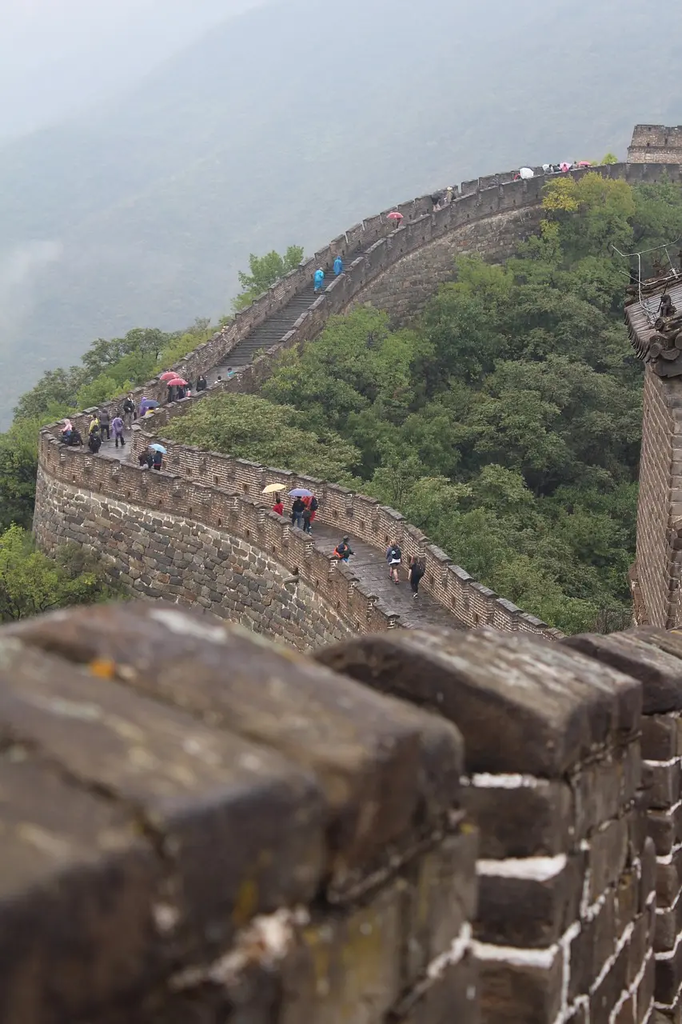
The Great Wall of China is an ancient series of walls and fortifications, stretching over 13,000 miles across northern China. Built primarily to protect Chinese states from invasions, it is renowned for its impressive engineering and historical significance. Today, the Great Wall stands as a UNESCO World Heritage Site and one of the most iconic landmarks in the world, attracting millions of visitors who marvel at its grandeur and cultural importance.
Great Wall of China+50
The Great Wall of China is an ancient series of walls and fortifications, stretching over 13,000 miles across northern China. Built primarily to protect Chinese states from invasions, it is renowned for its impressive engineering and historical significance. Today, the Great Wall stands as a UNESCO World Heritage Site and one of the most iconic landmarks in the world, attracting millions of visitors who marvel at its grandeur and cultural importance.
💡 Key Takeaways
- Understand the Great Wall’s historical purpose and the main construction periods.
- Identify famous sections (e.g., Badaling, Mutianyu) and what makes them unique.
- Learn about construction materials, labor behind the wall, and its enormous scale.
- Recognize myths vs. facts about the wall, including visibility from space and conservation challenges.
❓ Frequently Asked Questions
What is the Great Wall of China?
A historic series of walls built to defend northern China. It isn’t a single wall; it was built and rebuilt by several dynasties, extending across different regions.
How long is the Great Wall?
If you count all sections and trenches, it stretches over 20,000 kilometers (about 12,000 miles). The best-preserved Ming-era walls are much shorter.
When was the Great Wall built?
Construction spans centuries, with early walls dating back to the 7th–4th centuries BCE. The most extensive and well-known sections were built during the Ming Dynasty (1368–1644).
Is the Great Wall visible from space?
No. It’s a common myth that it can be seen from the Moon. From near-Earth orbit, some parts may be visible under ideal conditions, but it’s not easily seen with the naked eye.
Can I visit the Great Wall today?
Yes. Popular sections near Beijing (e.g., Badaling, Mutianyu) are open to visitors. Bring sturdy shoes, check access hours, and expect crowds depending on the season.