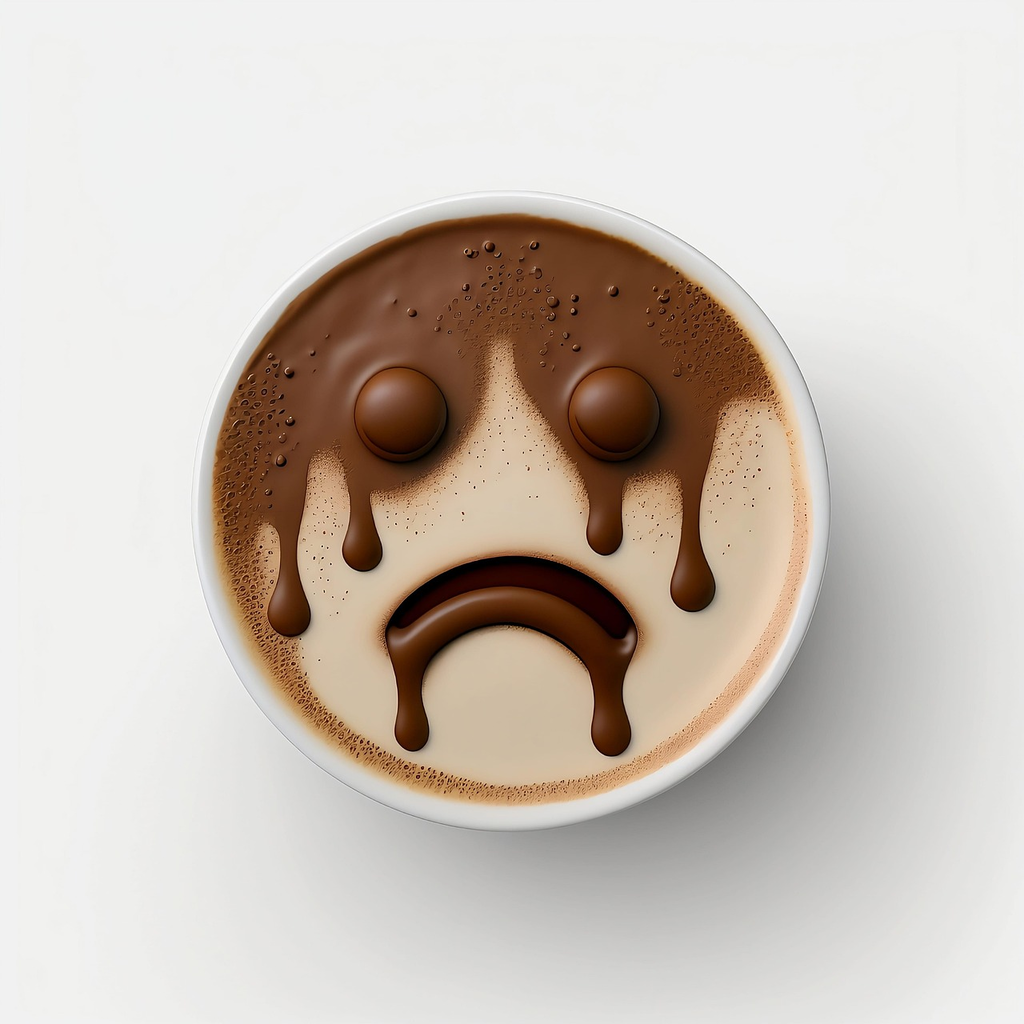
The historical evolution of sad emojis traces the transformation of digital expressions of sadness from simple text-based emoticons, like :(, to sophisticated graphical icons featuring teardrops, frowns, and nuanced facial cues. Over time, these emojis have become more diverse and expressive, reflecting a wider range of emotions such as disappointment, empathy, or grief. Their development mirrors advances in technology, digital communication, and the growing need for nuanced emotional expression in online interactions.
Historical Evolution of Sad Emojis
The historical evolution of sad emojis traces the transformation of digital expressions of sadness from simple text-based emoticons, like :(, to sophisticated graphical icons featuring teardrops, frowns, and nuanced facial cues. Over time, these emojis have become more diverse and expressive, reflecting a wider range of emotions such as disappointment, empathy, or grief. Their development mirrors advances in technology, digital communication, and the growing need for nuanced emotional expression in online interactions.

💡 Key Takeaways
- Trace the evolution from ASCII emoticons to Unicode sad emojis across devices and platforms.
- Learn the major milestones in emoji history, from early mobile culture to global adoption.
- Understand how design elements like color and facial expression influence perceived sadness.
- Explore how culture and context shape how people use and interpret sad emojis.
❓ Frequently Asked Questions
What is the purpose of sad emojis?
Sad emojis are pictorial symbols that express sadness, disappointment, or empathy, helping convey tone in text messages.
Where did sad emojis come from and how did they evolve?
Emoji originated in Japan in the late 1990s; sad expressions were among early additions. Unicode standardization in the 2010s enabled consistent use across platforms.
Why do sad emojis look different on iOS, Android, and Windows?
Each platform creates its own visual style for the same Unicode codepoints, so color, shape, and details vary by device.
How can I avoid misinterpreting a sad emoji?
Add clarifying text when needed, consider the context and relationship, and choose an emoji with appropriate intensity to match your message.