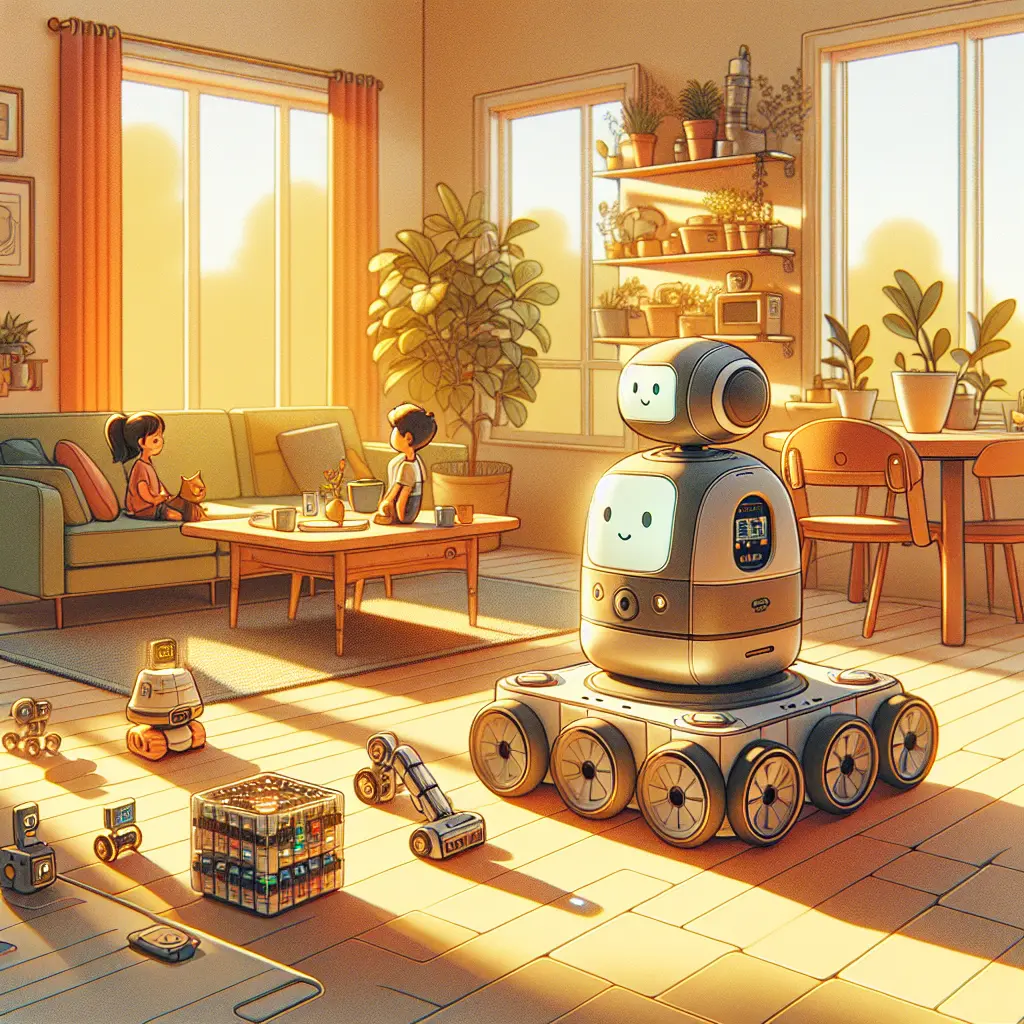
Home robotics platforms are integrated systems designed to automate tasks and enhance convenience within residential environments. These platforms typically combine hardware, such as robotic arms or mobile bases, with software for navigation, task scheduling, and user interaction. They can perform chores like cleaning, security monitoring, or assisting with daily routines. By leveraging sensors, artificial intelligence, and connectivity, home robotics platforms aim to improve efficiency, comfort, and safety for household members.
Home Robotics Platforms
Home robotics platforms are integrated systems designed to automate tasks and enhance convenience within residential environments. These platforms typically combine hardware, such as robotic arms or mobile bases, with software for navigation, task scheduling, and user interaction. They can perform chores like cleaning, security monitoring, or assisting with daily routines. By leveraging sensors, artificial intelligence, and connectivity, home robotics platforms aim to improve efficiency, comfort, and safety for household members.
💡 Key Takeaways
- Understand the core components of a home robotics platform (hardware like robotic arms/mobile bases and software for navigation, scheduling, and user interaction).
- Learn how autonomous navigation, SLAM, and obstacle avoidance enable safe, efficient operation in home environments.
- Explore how task scheduling and workflow orchestration allow robots to automate chores and coordinate with other smart devices.
- Consider safety, privacy, and usability factors when deploying home robots, including user interfaces and accessibility.
- Preview future tech trends in home robotics (AI for smarter decision-making, modular designs, energy efficiency, and inspiration from space robotics).
❓ Frequently Asked Questions
What is a home robotics platform?
An integrated system that automates household tasks by combining hardware (like robotic arms or mobile bases) with software for navigation, task planning, and user interaction.
What hardware components are commonly found in these platforms?
Robotic arms, mobile bases, sensors (cameras, depth sensors, lidar), grippers, and docking/charging stations.
What software capabilities enable autonomous operation?
Navigation and localization, obstacle avoidance, mapping, task planning and scheduling, and user interfaces for control and feedback.
What are typical benefits and use cases for home robotics platforms?
They automate repetitive chores, increase convenience, assist seniors or people with disabilities, and integrate with other smart-home systems for versatile home assistance.