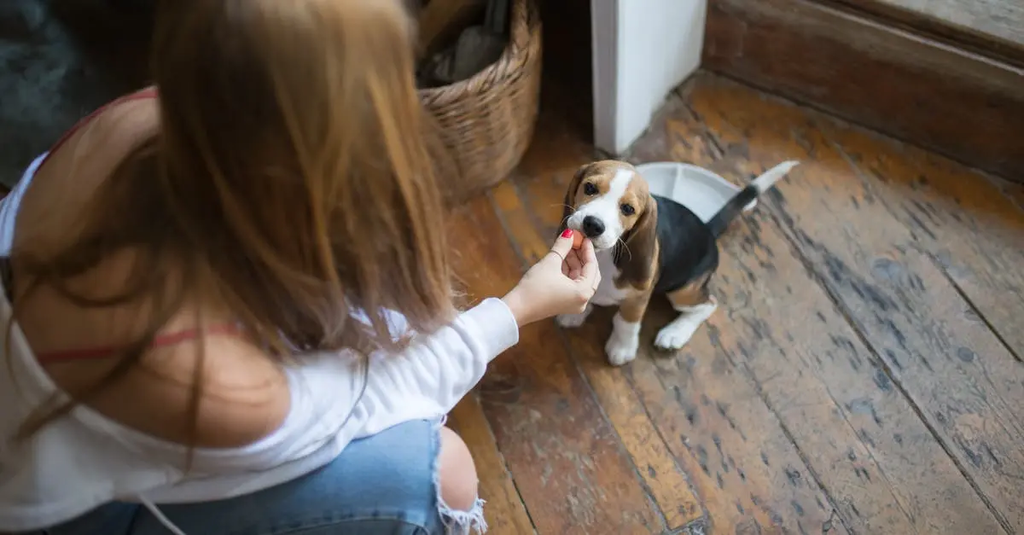
House training puppies refers to the process of teaching young dogs where and when to relieve themselves appropriately, usually outdoors or in a designated indoor area. It involves establishing a consistent routine, positive reinforcement, and patience. Owners often use rewards, supervision, and confinement strategies to prevent accidents and encourage good habits. Successful house training helps puppies understand expectations, reduces messes, and fosters a positive relationship between the pet and its owner.
House Training Puppies
House training puppies refers to the process of teaching young dogs where and when to relieve themselves appropriately, usually outdoors or in a designated indoor area. It involves establishing a consistent routine, positive reinforcement, and patience. Owners often use rewards, supervision, and confinement strategies to prevent accidents and encourage good habits. Successful house training helps puppies understand expectations, reduces messes, and fosters a positive relationship between the pet and its owner.
💡 Key Takeaways
- Understand the goal: teach puppies where and when to relieve themselves.
- Establish a consistent routine with scheduled potty breaks.
- Use positive reinforcement to reward appropriate elimination.
- Employ supervision, crate training, and a designated area to prevent accidents and speed learning.
❓ Frequently Asked Questions
What is house training for puppies?
Teaching a puppy where and when to eliminate, usually outdoors or in a designated indoor spot, using a consistent routine and positive reinforcement.
How often should you take a puppy outside to toilet?
Every 2–3 hours, plus after waking, after meals, after play, and right before bedtime.
What is the role of positive reinforcement in house training?
Reward the puppy with a small treat and praise immediately after they eliminate in the correct spot to encourage the behavior.
What should you do if the puppy has an accident indoors?
Stay calm, clean the area with an enzymatic cleaner to remove odors, and supervise or confine the puppy to prevent repeat accidents.
How can a crate or designated indoor area help with house training?
A properly sized crate creates a safe space and helps manage time between bathroom breaks; gradually increase outdoor bathroom opportunities as the puppy grows.