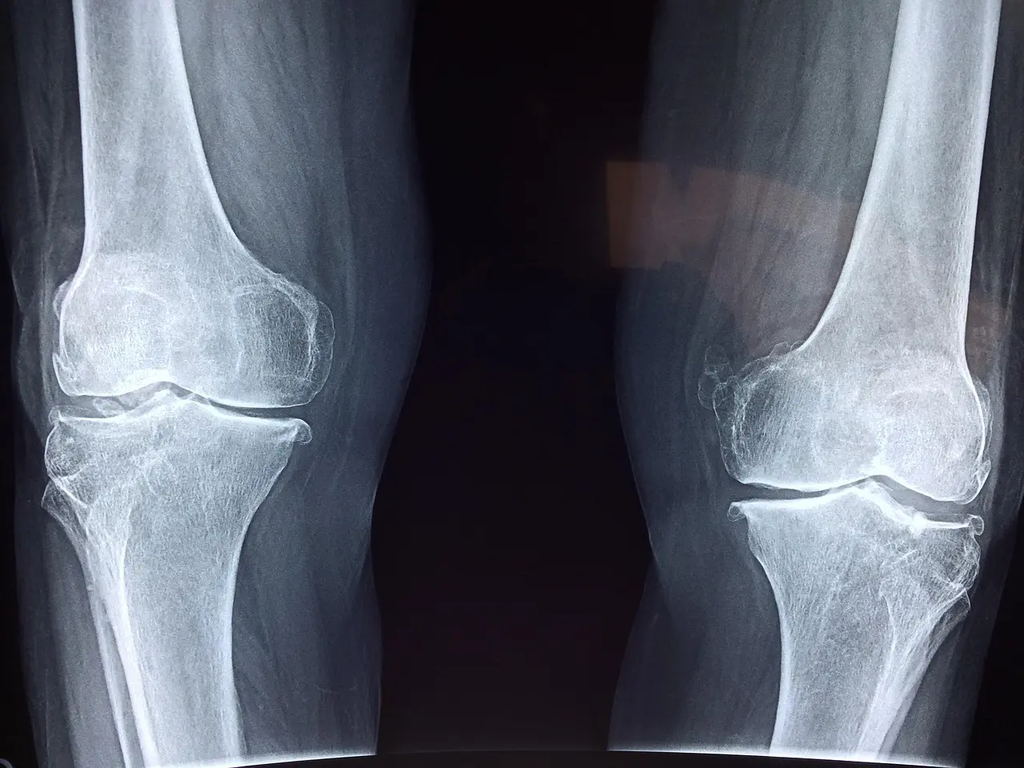
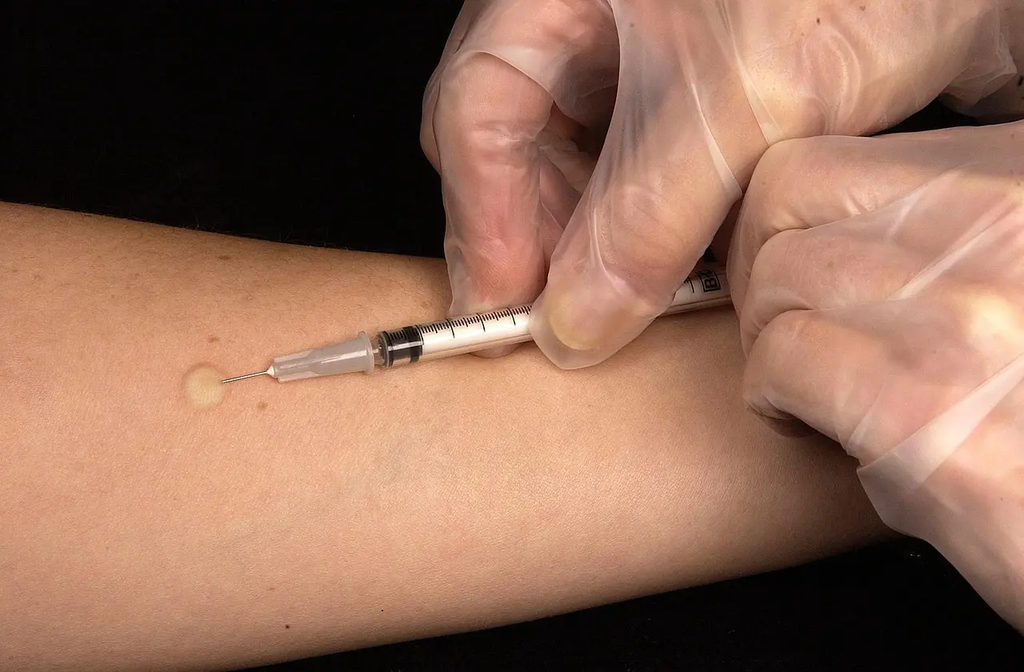
Human body functions refer to the essential processes carried out by various organs and systems to maintain life and health. These include respiration for breathing, circulation for transporting blood, digestion for breaking down food, excretion for removing waste, and nervous and hormonal regulation for coordination and response. Together, these functions ensure the body can grow, repair itself, adapt to changes, and perform daily activities efficiently.
Human Body Functions+50
Human body functions refer to the essential processes carried out by various organs and systems to maintain life and health. These include respiration for breathing, circulation for transporting blood, digestion for breaking down food, excretion for removing waste, and nervous and hormonal regulation for coordination and response. Together, these functions ensure the body can grow, repair itself, adapt to changes, and perform daily activities efficiently.
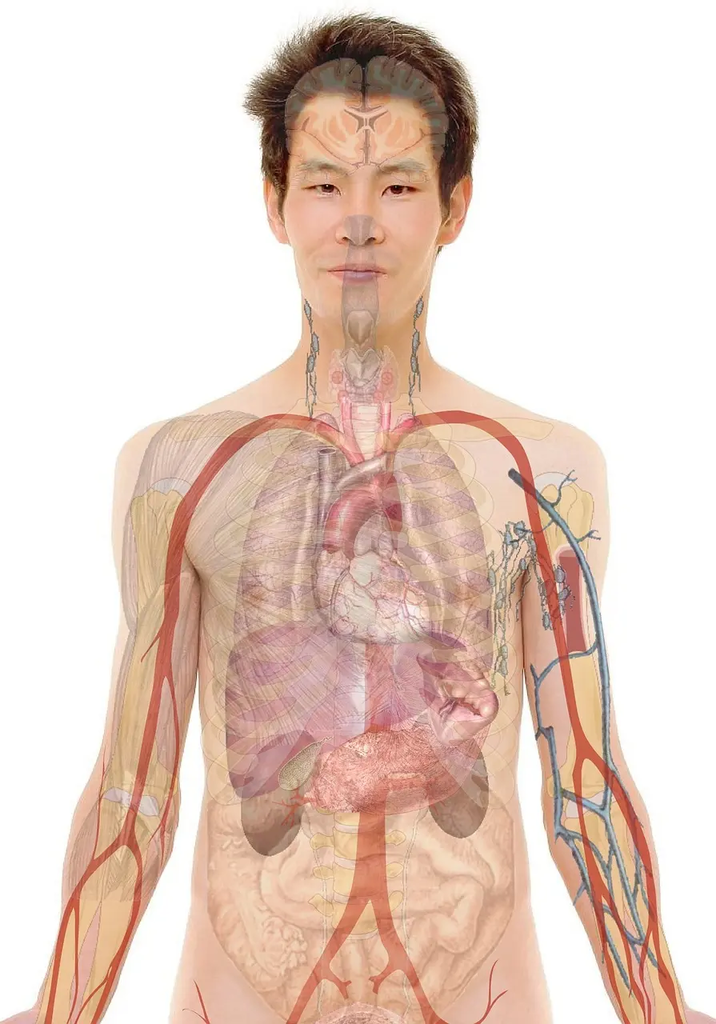
💡 Key Takeaways
- How major body systems maintain homeostasis
- Roles of the brain, heart, lungs, and digestive system
- How nerves and hormones coordinate bodily responses
- Cellular energy production and usage (metabolism)
❓ Frequently Asked Questions
What is the primary function of the circulatory system?
To transport blood, oxygen, nutrients, hormones, and wastes throughout the body, powered by the heart.
How does the respiratory system support cellular energy?
It exchanges oxygen and carbon dioxide between air and blood, supplying cells with oxygen for energy production and removing CO2.
What is homeostasis and why is it important?
Homeostasis is the body's maintenance of a stable internal environment (temperature, pH, fluids), which keeps enzymes functioning properly.
What is the main role of the digestive system?
It breaks down food, absorbs nutrients, and eliminates indigestible waste.
How do skeletal muscles enable movement?
Muscles contract in response to nerve signals, pulling on bones to create movement; antagonistic pairs coordinate motion and stability.