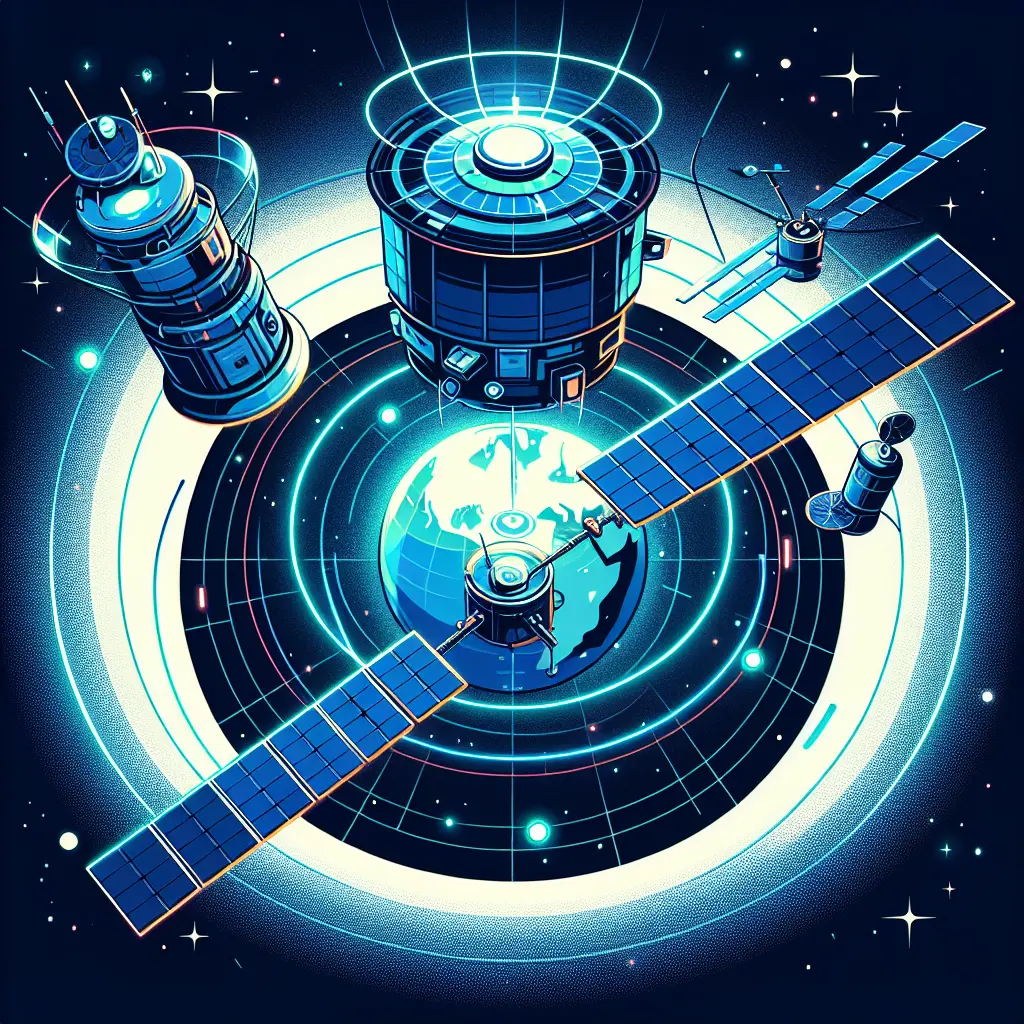
Human-Machine Teaming for Autonomy and Mission Operations refers to the collaborative partnership between humans and intelligent systems to achieve complex goals, particularly in autonomous environments and mission-critical tasks. This approach leverages the strengths of both human judgment and machine efficiency, enabling more effective decision-making, adaptability, and operational success. By integrating human insight with autonomous technologies, mission operations become safer, more resilient, and capable of handling dynamic, unpredictable scenarios.
Human-Machine Teaming for Autonomy and Mission Operations
Human-Machine Teaming for Autonomy and Mission Operations refers to the collaborative partnership between humans and intelligent systems to achieve complex goals, particularly in autonomous environments and mission-critical tasks. This approach leverages the strengths of both human judgment and machine efficiency, enabling more effective decision-making, adaptability, and operational success. By integrating human insight with autonomous technologies, mission operations become safer, more resilient, and capable of handling dynamic, unpredictable scenarios.
💡 Key Takeaways
- Understand how human-machine teaming enables autonomous mission operations in space exploration and aviation contexts.
- Learn how human judgment and machine intelligence complement each other to improve decision-making under time pressure and uncertainty.
- Identify challenges in human-machine collaboration, including trust, explainability, and maintaining shared situational awareness.
- Explore design principles for effective teaming, such as defining autonomy levels, ensuring transparent interfaces, and prioritizing safety and reliability.
❓ Frequently Asked Questions
What is human-machine teaming in autonomy and mission operations?
A collaborative partnership where humans and intelligent systems share decision-making, sensing, planning, and execution to achieve mission goals in autonomous environments.
What benefits does this approach offer for space exploration and aviation?
Faster decision cycles, improved safety and reliability, better handling of large data streams, and reduced human workload while preserving human oversight for critical judgments.
How do humans and machines divide responsibilities during operations?
Machines handle data collection, monitoring, routine execution, and option proposals; humans set objectives, make final calls on critical decisions, interpret results, and manage risk.
What are common challenges and considerations when deploying human-machine teams?
Trust and explainability, avoiding automation bias, ensuring reliability and cyber security, designing intuitive interfaces, and maintaining data quality and system interoperability.