HVAC Basics & Maintenance involves understanding how heating, ventilation, and air conditioning systems operate to regulate indoor climate and air quality. Basic knowledge covers components like thermostats, filters, ducts, and compressors. Regular maintenance includes changing filters, cleaning coils, checking refrigerant levels, and inspecting ductwork. Proper care extends system lifespan, improves energy efficiency, and ensures reliable performance, helping prevent costly repairs and maintaining comfortable, healthy indoor environments.
HVAC Basics & Maintenance
HVAC Basics & Maintenance involves understanding how heating, ventilation, and air conditioning systems operate to regulate indoor climate and air quality. Basic knowledge covers components like thermostats, filters, ducts, and compressors. Regular maintenance includes changing filters, cleaning coils, checking refrigerant levels, and inspecting ductwork. Proper care extends system lifespan, improves energy efficiency, and ensures reliable performance, helping prevent costly repairs and maintaining comfortable, healthy indoor environments.
💡 Key Takeaways
- Identify the main HVAC components (thermostats, filters, ducts, and compressors) and their functions.
- Explain how a thermostat controls heating and cooling and how to use it for comfort and energy savings.
- Understand how air filters, coil cleanliness, and duct condition affect indoor air quality, airflow, and system efficiency.
- Know essential maintenance tasks—for example, changing filters regularly and cleaning accessible coils or components—to keep the system running smoothly.
❓ Frequently Asked Questions
What does HVAC stand for and what is its main purpose in a home?
HVAC stands for heating, ventilation, and air conditioning. Its main purpose is to control indoor temperature, humidity, and air quality for comfort and health.
What is the role of a thermostat in an HVAC system?
The thermostat senses indoor temperature and signals the system to heat or cool to reach and maintain the setpoint.
Why are air filters important and how often should they be replaced?
Filters trap dust and allergens, protect equipment, and improve air quality. Replace them every 1–3 months depending on usage, pets, and filter type.
What are ducts and why is keeping them clean and sealed important?
Ducts distribute conditioned air throughout the home. Keeping them clean and sealed reduces leaks, improves efficiency, and maintains air quality.
What maintenance tasks help HVAC efficiency and lifespan?
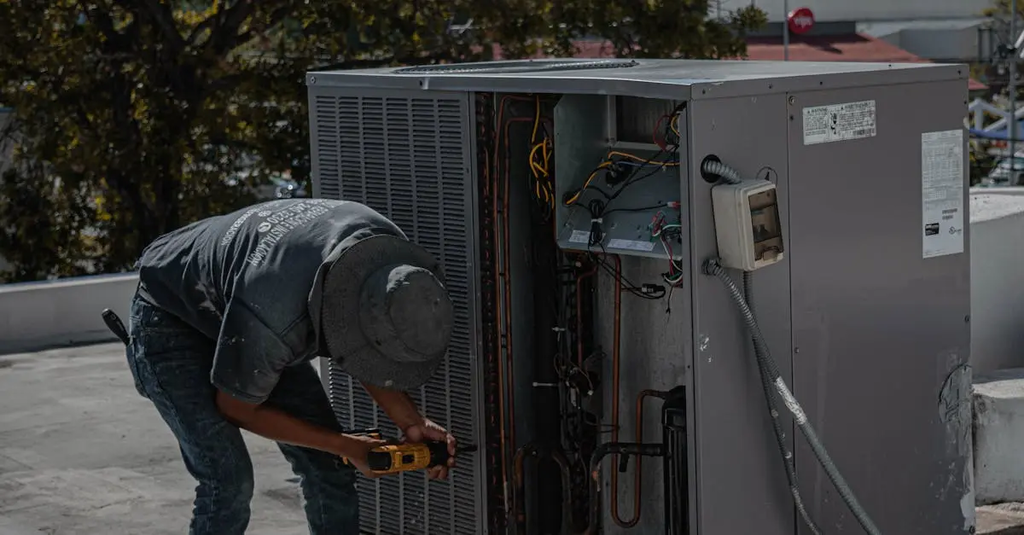
Regular maintenance includes changing filters, cleaning coils (evaporator and condenser), checking refrigerant levels, inspecting ducts, and ensuring fans and motors run smoothly.