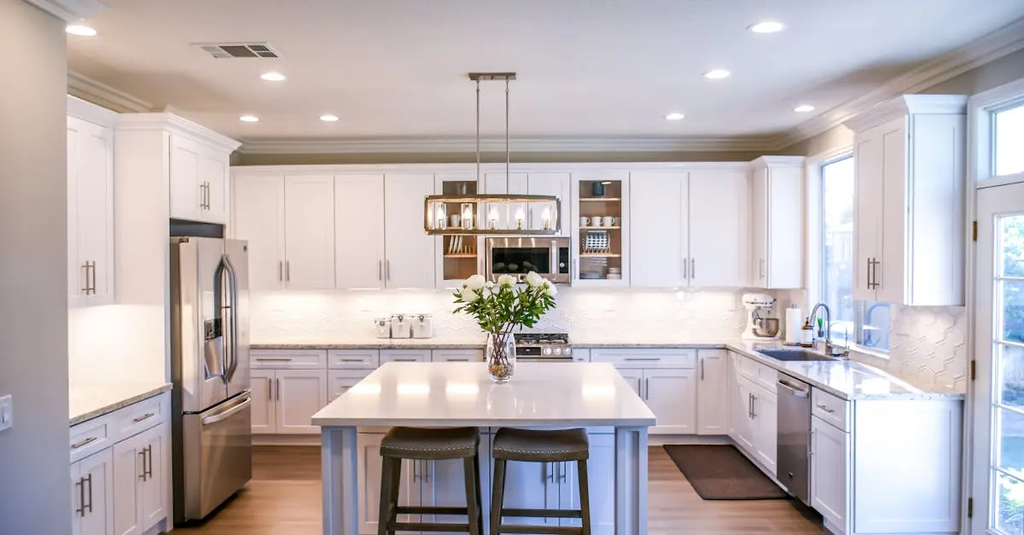
Furniture layout and flow refer to the strategic arrangement of furniture within a space to optimize movement, functionality, and aesthetics. A well-planned layout ensures easy navigation, fosters conversation, and defines different areas within a room. Proper flow minimizes obstacles, enhances comfort, and supports the intended use of the space, whether for relaxation, work, or socializing, ultimately contributing to a harmonious and inviting environment.
Furniture Layout & Flow
Furniture layout and flow refer to the strategic arrangement of furniture within a space to optimize movement, functionality, and aesthetics. A well-planned layout ensures easy navigation, fosters conversation, and defines different areas within a room. Proper flow minimizes obstacles, enhances comfort, and supports the intended use of the space, whether for relaxation, work, or socializing, ultimately contributing to a harmonious and inviting environment.
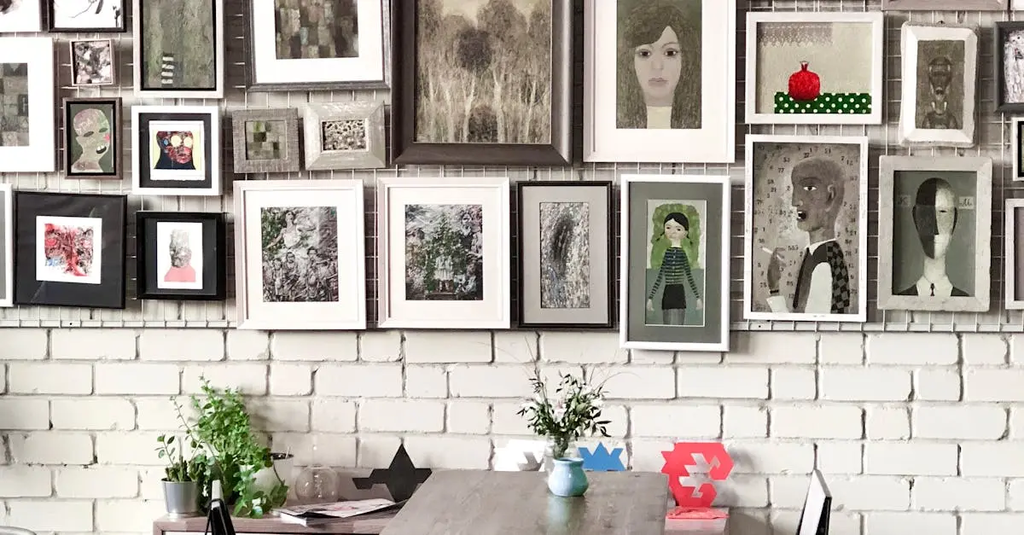
💡 Key Takeaways
- Understand how furniture placement guides movement and traffic flow in a room.
- Learn how layout defines functional zones (living, dining, work) and supports easy navigation.
- Discover design choices that minimize obstacles while maximizing comfort and accessibility.
- Explore balancing aesthetics with practicality (scale, spacing, focal points) to foster conversation and cohesion.
❓ Frequently Asked Questions
What is the purpose of furniture layout and flow?
To optimize movement, functionality, and aesthetics by arranging furniture for easy navigation, comfortable use, and a cohesive look.
How can you improve traffic flow in a room?
Keep clear pathways (about 30–36 inches wide), place large pieces against walls, and group seating to face common areas to minimize obstacles.
How can you define different areas within a room?
Use rugs, lighting, and furniture groupings to create distinct zones (seating, work, dining) while keeping transitions natural.
Why is scale and proportion important in furniture arrangement?
Choosing pieces that fit the room size maintains balance and usability; too-large furniture can block flow, while too-small pieces can look out of place.