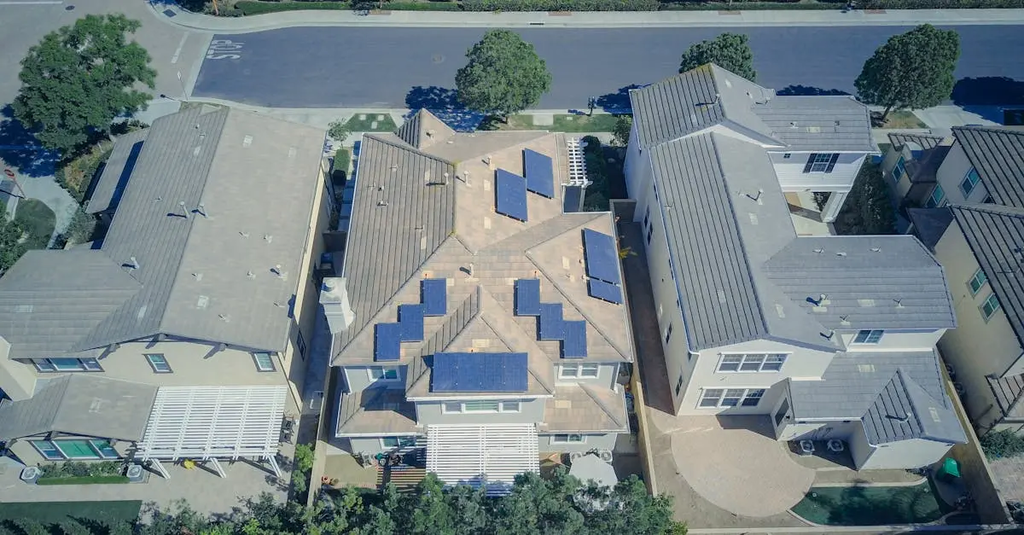
Solar PV for homes refers to the use of photovoltaic panels installed on residential rooftops or properties to convert sunlight into electricity. This technology enables homeowners to generate clean, renewable energy, reducing reliance on conventional power sources and lowering electricity bills. Solar PV systems can be connected to the grid or used off-grid with battery storage, promoting environmental sustainability and energy independence while potentially increasing property value.
Solar PV for Homes
Solar PV for homes refers to the use of photovoltaic panels installed on residential rooftops or properties to convert sunlight into electricity. This technology enables homeowners to generate clean, renewable energy, reducing reliance on conventional power sources and lowering electricity bills. Solar PV systems can be connected to the grid or used off-grid with battery storage, promoting environmental sustainability and energy independence while potentially increasing property value.
💡 Key Takeaways
- How photovoltaic panels convert sunlight into usable electricity for your home
- Factors that affect solar output, such as roof orientation, tilt, shading, and system size
- The main components of a home solar PV system and how they work together
- How solar can save money, including bills, incentives, and basic maintenance
❓ Frequently Asked Questions
What is solar PV for homes and how does it work?
Solar photovoltaic (PV) panels on a home roof convert sunlight into electricity. The panels generate DC current, which an inverter turns into usable AC power for your home; a grid-tied system can also feed excess energy back to the grid.
What is net metering and how does it affect my bill?
Net metering credits you for excess solar energy sent to the grid. Those credits offset electricity you draw from the grid when panels aren’t producing, reducing your bill (incentives and terms vary by location).
What factors influence how much solar energy your home can generate?
Factors include roof orientation (south-facing is often best), tilt, shading from trees or buildings, available roof space, panel efficiency, system size, and local climate.
What are typical costs, savings, and incentives for home solar?
Costs cover equipment and installation; there are often incentives or tax credits to reduce upfront costs. Savings come from lower electricity bills, with payback depending on rate, sun exposure, and incentives.