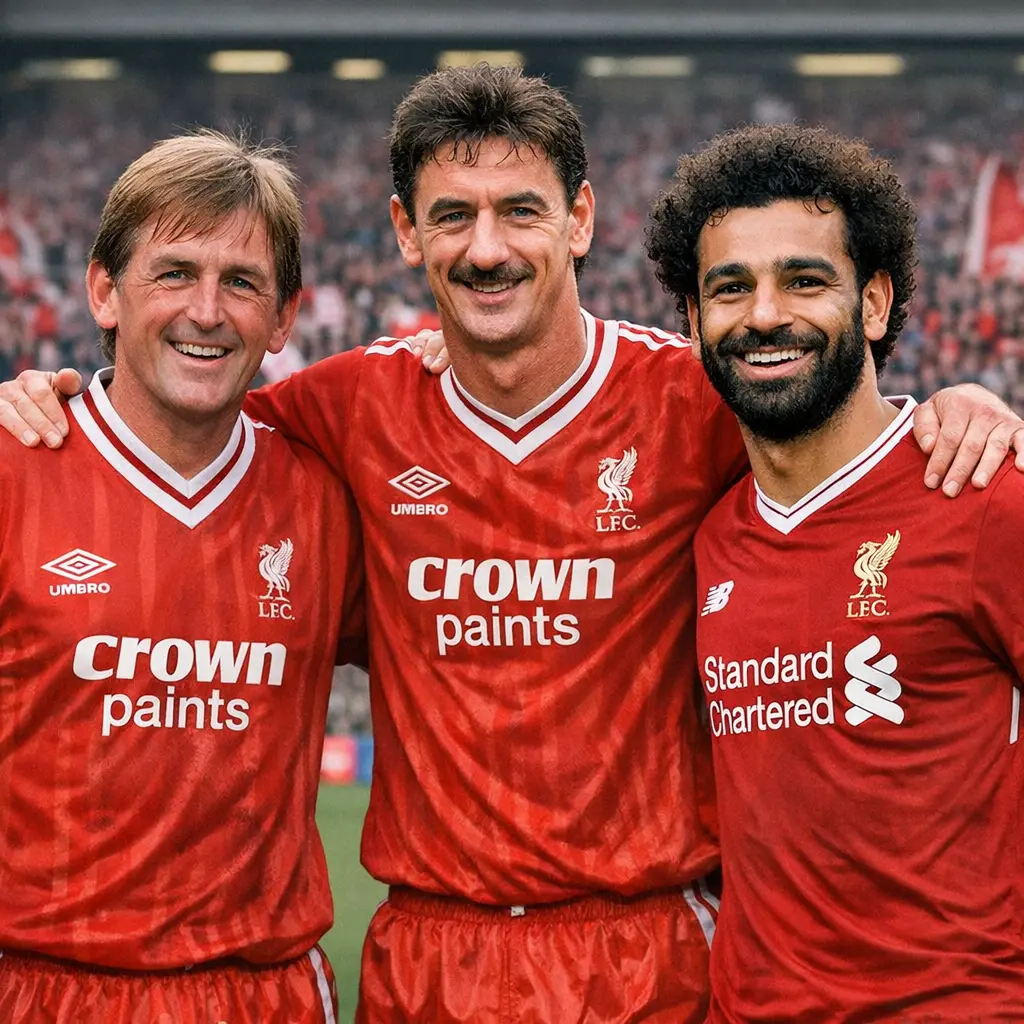
"Iconic Media Moments: Documentaries and Literature (Liverpool F.C.)" refers to the significant impact that various documentaries and literary works have had in chronicling the history, triumphs, and challenges of Liverpool Football Club. These media pieces capture unforgettable matches, legendary players, and emotional fan experiences, offering deep insights into the club’s culture and legacy. They serve as important records, shaping public perception and celebrating Liverpool F.C.'s place in football history.
Iconic Media Moments: Documentaries and Literature
"Iconic Media Moments: Documentaries and Literature (Liverpool F.C.)" refers to the significant impact that various documentaries and literary works have had in chronicling the history, triumphs, and challenges of Liverpool Football Club. These media pieces capture unforgettable matches, legendary players, and emotional fan experiences, offering deep insights into the club’s culture and legacy. They serve as important records, shaping public perception and celebrating Liverpool F.C.'s place in football history.
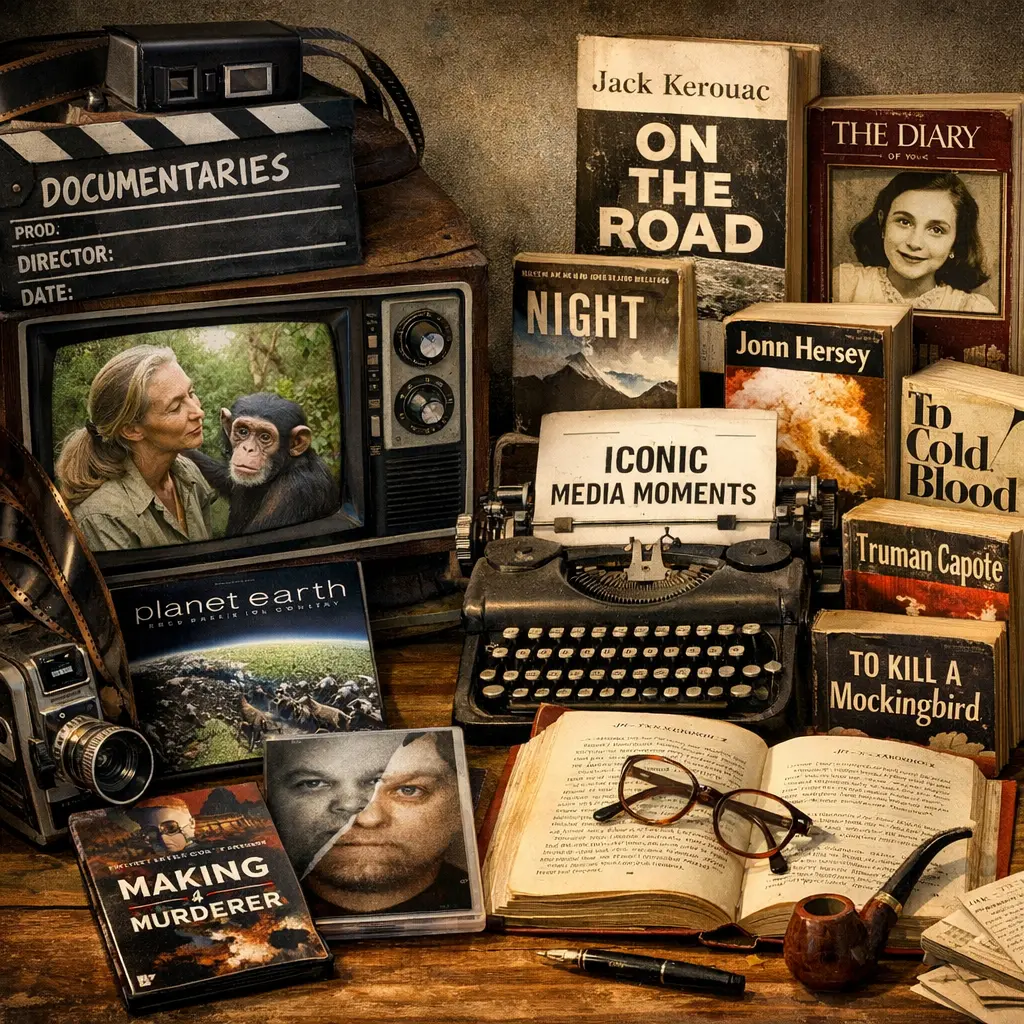
💡 Key Takeaways
- Recognize iconic moments in documentaries and literature and understand why they matter
- Compare storytelling techniques across documentary film and literary works to convey truth and emotion
- Analyze how iconic media moments influence public discourse, collective memory, and ethical considerations
- Evaluate the craft choices behind famous scenes and passages (framing, narration, perspective) and how they shape interpretation
❓ Frequently Asked Questions
What defines an iconic media moment in documentaries and literature?
An iconic moment is a widely recognized, emotionally impactful moment that leaves a lasting impression. In documentaries, it often comes from revealing footage, compelling testimony, or a critical turning point supported by evidence. In literature, it’s a pivotal scene, quote, or event that reveals character or theme and resonates with readers.
How do documentary moments differ from literary moments?
Documentary moments depict real events using footage, interviews, and facts to inform or persuade. Literary moments are crafted through narrative, language, and imagery to illuminate character, plot, or themes. One relies on reality and evidence; the other on crafted mood and symbolism.
What makes a moment iconic or widely referenced?
Iconic moments achieve broad recognition and influence, often becoming part of cultural memory. They’re memorable due to emotional impact, quotability, or their role in shaping conversations and public perception.
What should I look for when answering quiz questions about these moments?
Identify whether the moment is documentary-based (real events, evidence, witnesses) or literary (narrative pivot, character insight, symbolism). Note the medium, the device used (footage vs. image/language), and the moment’s impact on understanding or discourse.