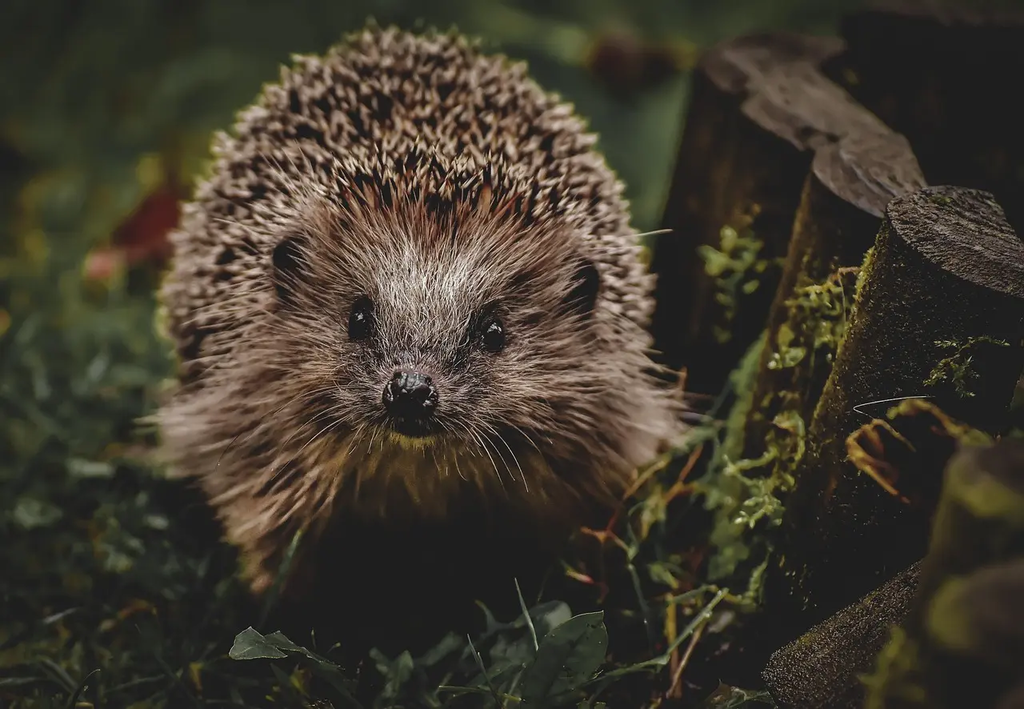
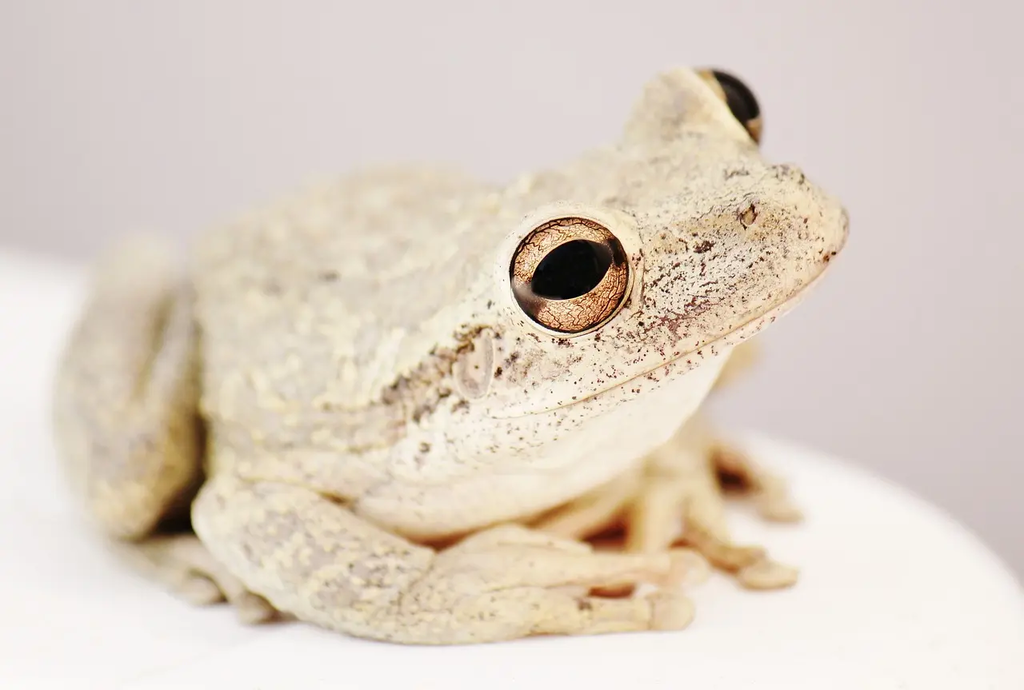
The phrase "Introduction to Animals (The Animal Kingdom)" refers to the basic study of animals, encompassing their diverse forms, characteristics, and classification within the biological kingdom Animalia. It covers the vast variety of animal species, their evolutionary relationships, physical features, habitats, and behaviors. This introduction helps in understanding how animals are grouped, their roles in ecosystems, and their importance to the natural world, forming a foundation for further study in zoology and biology.
Introduction to Animals+50
The phrase "Introduction to Animals (The Animal Kingdom)" refers to the basic study of animals, encompassing their diverse forms, characteristics, and classification within the biological kingdom Animalia. It covers the vast variety of animal species, their evolutionary relationships, physical features, habitats, and behaviors. This introduction helps in understanding how animals are grouped, their roles in ecosystems, and their importance to the natural world, forming a foundation for further study in zoology and biology.
💡 Key Takeaways
- Recognize the defining features of animals and how they differ from other living things
- Group animals into major categories (vertebrates vs. invertebrates) with simple examples
- Describe common animal habitats and how adaptations help survival
- Explain basic animal life cycles, reproduction, and daily needs (food, water, shelter)
❓ Frequently Asked Questions
What is an animal?
An animal is a multicellular, eukaryotic organism that is typically heterotrophic, lacks rigid cell walls, and can move at some life stage.
How are animals commonly categorized?
Animals are often grouped as invertebrates (no backbone) and vertebrates (with a backbone). Examples: insects and birds (invertebrates), fish and mammals (vertebrates).
What features define mammals?
Mammals are vertebrates with hair or fur, three middle ear bones, mammary glands, and usually give birth to live young; most are warm-blooded.
What is metamorphosis in animals?
Metamorphosis is a developmental process where an animal changes form between life stages. Complete metamorphosis: egg → larva → pupa → adult (e.g., butterfly). Incomplete metamorphosis: egg → nymph → adult (e.g., grasshopper).