Introduction to Fermented Foods explores the fascinating world of foods transformed by beneficial microbes, such as bacteria and yeast. This process not only preserves ingredients but also enhances flavors, textures, and nutritional value. From tangy kimchi and savory miso to bubbly kombucha and creamy yogurt, fermented foods are staples in many cultures, offering unique tastes and health benefits. Embark on a global journey to discover the world’s tastiest and most intriguing fermented dishes.
Introduction to Fermented Foods
Introduction to Fermented Foods explores the fascinating world of foods transformed by beneficial microbes, such as bacteria and yeast. This process not only preserves ingredients but also enhances flavors, textures, and nutritional value. From tangy kimchi and savory miso to bubbly kombucha and creamy yogurt, fermented foods are staples in many cultures, offering unique tastes and health benefits. Embark on a global journey to discover the world’s tastiest and most intriguing fermented dishes.
💡 Key Takeaways
- Understand what fermentation is and how microbes transform food.
- Identify common fermented foods and their basic flavors and textures.
- Learn basic fermentation methods (lactic acid and alcohol) and factors like temperature, salt, and cleanliness.
- Recognize potential health benefits and safety tips for consuming fermented foods.
❓ Frequently Asked Questions
What is fermentation in foods?
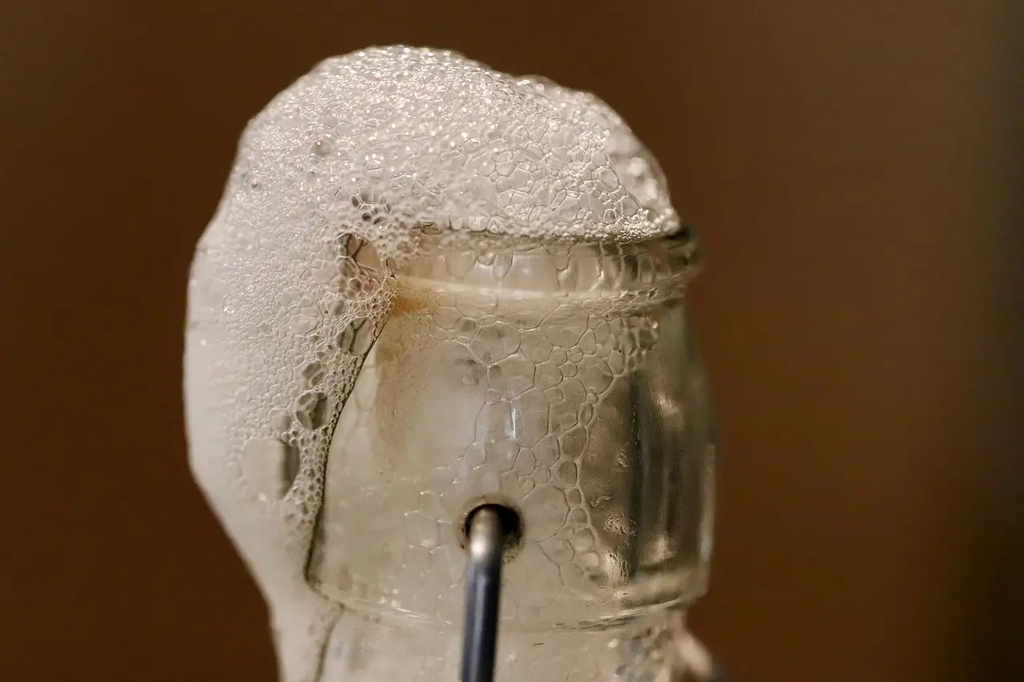
A natural preservation process where microbes (bacteria or yeast) convert sugars into acids, gases, or alcohol, giving tangy flavors and longer shelf life.
Which foods are commonly fermented?
Yogurt, kefir, sauerkraut, kimchi, miso, tempeh, kombucha and sourdough are typical examples.
What are the health considerations of fermented foods?
They can support gut health due to live microbes, but benefits vary; some products are high in salt or sugar and may not contain live cultures if pasteurized.
How is fermentation different from pickling?
Fermentation uses microbes to transform the food, while pickling typically preserves with vinegar or salt; both can occur together in some foods.