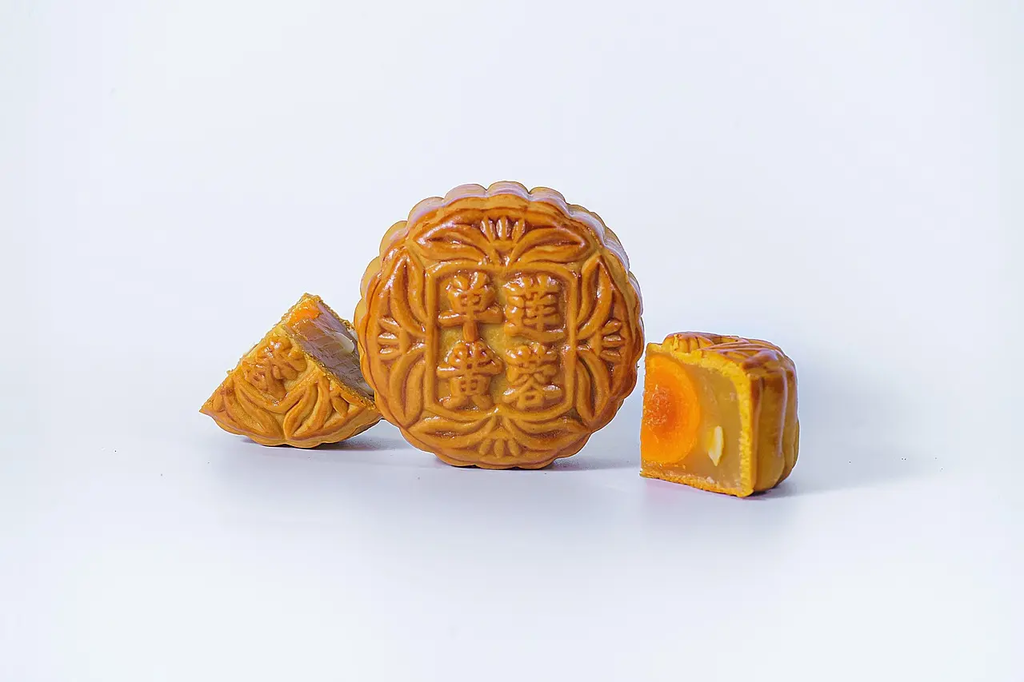
"Introduction to Food Science (Food Explorer: Identify the World’s Tastiest Dishes!)" refers to the study of the physical, biological, and chemical makeup of food, as well as the principles underlying food processing and preparation. This phrase suggests an engaging journey where learners explore global cuisines, discover what makes dishes delicious, and understand the science behind flavors, textures, and nutritional values, fostering appreciation for foods from around the world.
Introduction to Food Science
"Introduction to Food Science (Food Explorer: Identify the World’s Tastiest Dishes!)" refers to the study of the physical, biological, and chemical makeup of food, as well as the principles underlying food processing and preparation. This phrase suggests an engaging journey where learners explore global cuisines, discover what makes dishes delicious, and understand the science behind flavors, textures, and nutritional values, fostering appreciation for foods from around the world.

💡 Key Takeaways
- Define food science and its role in creating safe, nutritious, and appealing foods
- Identify the main areas of food science: safety, quality, processing, and sensory evaluation
- Explain how ingredients, processing, and storage affect flavor, texture, and nutrition
- Describe common methods used in food science, including basic tests and sensory evaluation
❓ Frequently Asked Questions
What is food science?
The study of the properties, processing, safety, nutrition, and quality of food—from farm to table.
What do food scientists study?
How ingredients interact, how processing affects texture and flavor, food safety, shelf life, and nutrition.
Why is temperature control important in food science?
It slows or stops microbial growth, preserves nutrients, and ensures safety and quality during cooking, storage, and transport.
What is HACCP and why is it used?
Hazard Analysis and Critical Control Points is a systematic method to identify and control food safety hazards.