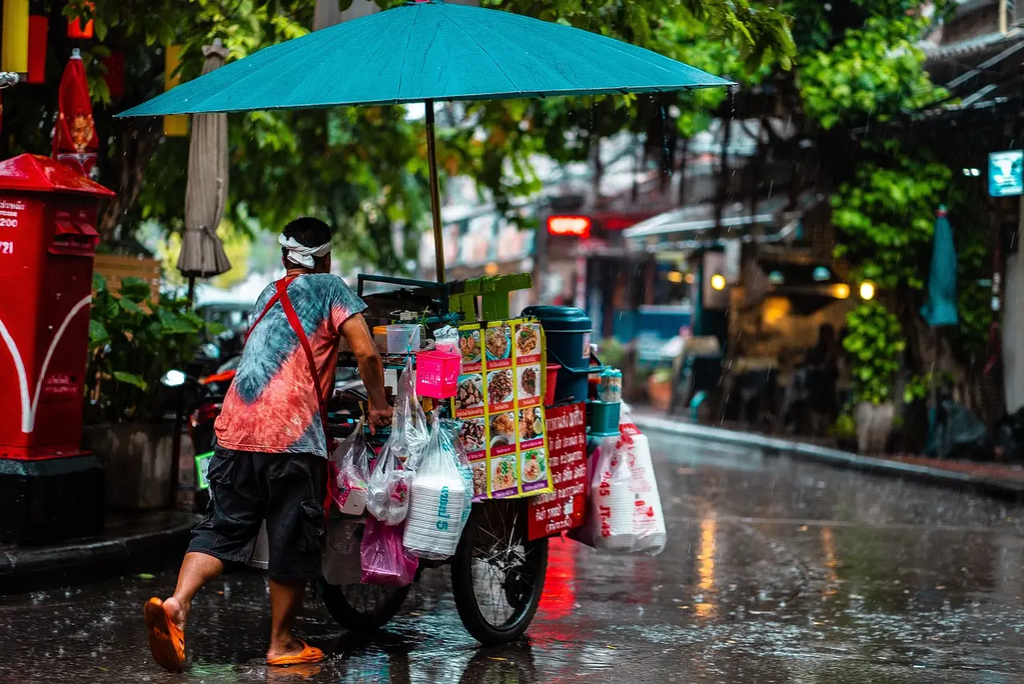
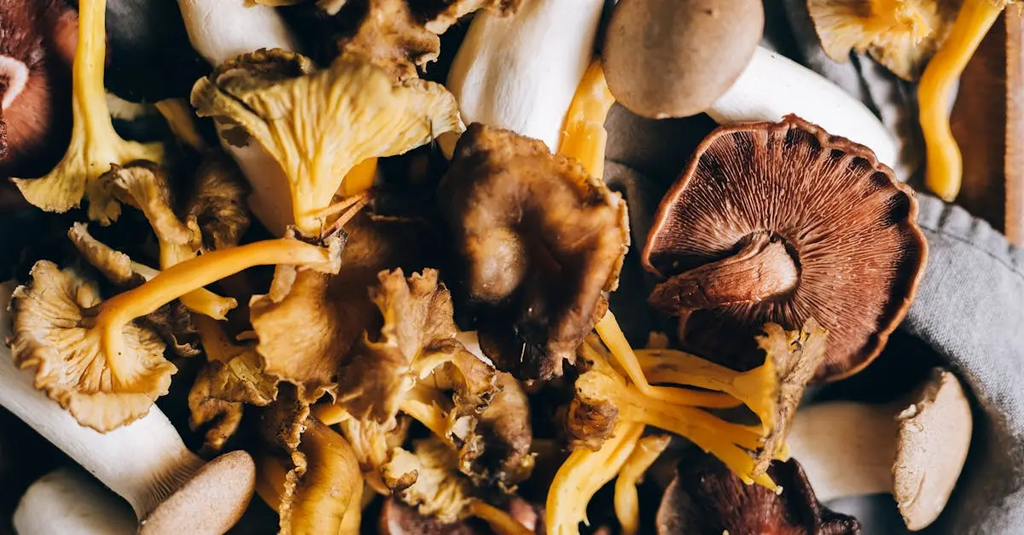
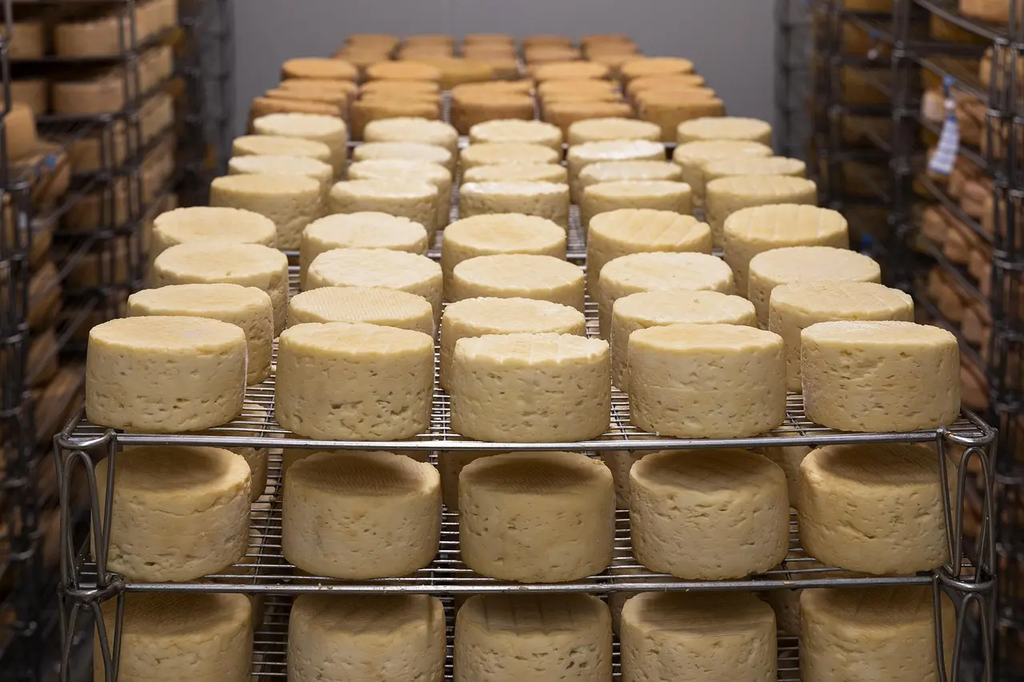
"Introduction to Global Cuisines (Food & Global Flavors)" explores the diverse culinary traditions and signature dishes from around the world. It highlights how different cultures use unique ingredients, cooking techniques, and flavor profiles to create distinctive foods. This approach broadens culinary horizons, fosters appreciation for international gastronomy, and encourages experimentation with new tastes and recipes, ultimately celebrating the rich tapestry of global food heritage.
Introduction to Global Cuisines+50
"Introduction to Global Cuisines (Food & Global Flavors)" explores the diverse culinary traditions and signature dishes from around the world. It highlights how different cultures use unique ingredients, cooking techniques, and flavor profiles to create distinctive foods. This approach broadens culinary horizons, fosters appreciation for international gastronomy, and encourages experimentation with new tastes and recipes, ultimately celebrating the rich tapestry of global food heritage.
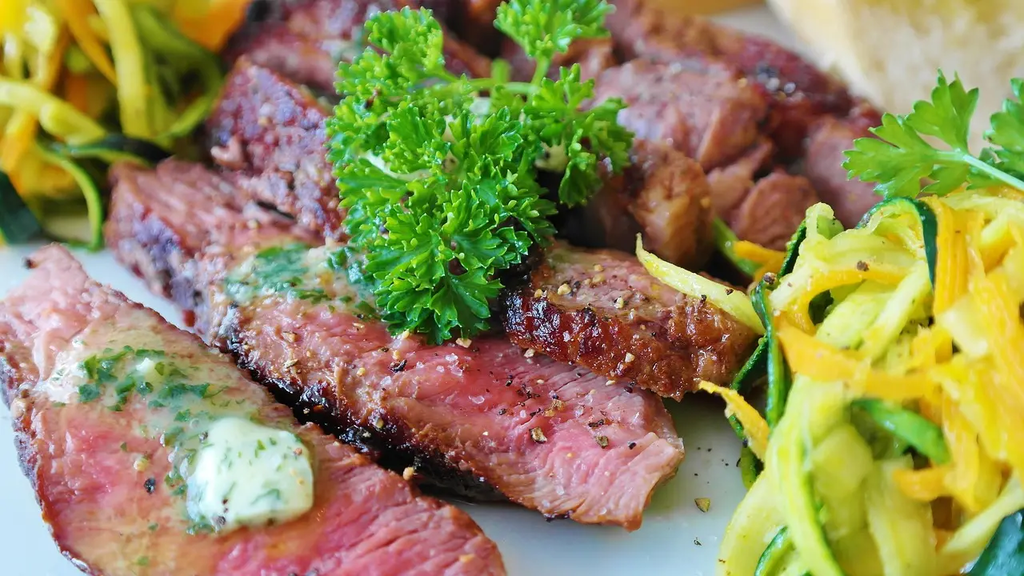
💡 Key Takeaways
- Explore major global cuisines and their signature flavors
- Identify common ingredients and cooking techniques across regions
- Understand how geography, history, and culture shape food traditions
- Develop awareness of regional dining etiquette and meal structures
❓ Frequently Asked Questions
What does 'global cuisines' mean?
Global cuisines refer to cooking traditions from around the world and how ingredients, techniques, and flavors travel beyond their origins to influence dishes worldwide.
How can geography shape a cuisine?
Local climate, land, and resources determine which ingredients are common and which cooking methods are practical, creating distinctive regional flavors.
What is fusion cuisine?
Fusion cuisine blends elements from two or more culinary traditions to create new dishes and flavor combinations.
How does globalization affect cuisines?
Globalization spreads ingredients and cooking methods, increases accessibility, and often leads to new cross-cultural dishes and adaptations.