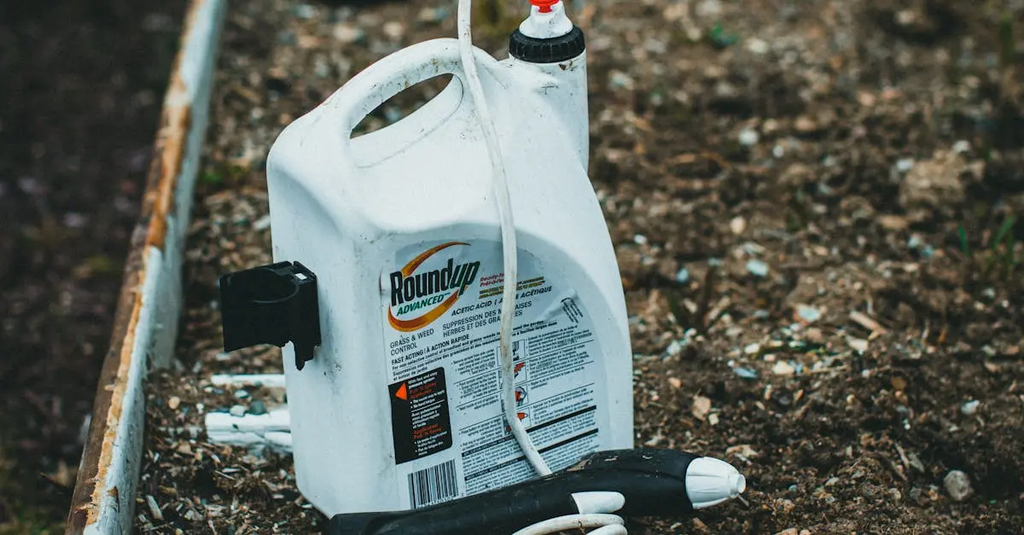
Lawn care fundamentals refer to the essential practices required to maintain a healthy and attractive lawn. These include regular mowing at the proper height, consistent watering, appropriate fertilization, and effective weed and pest control. Understanding soil health, aeration, and overseeding are also key components. By following these basic principles, homeowners can promote strong grass growth, prevent common lawn problems, and achieve a lush, green outdoor space throughout the growing season.
Lawn Care Fundamentals
Lawn care fundamentals refer to the essential practices required to maintain a healthy and attractive lawn. These include regular mowing at the proper height, consistent watering, appropriate fertilization, and effective weed and pest control. Understanding soil health, aeration, and overseeding are also key components. By following these basic principles, homeowners can promote strong grass growth, prevent common lawn problems, and achieve a lush, green outdoor space throughout the growing season.
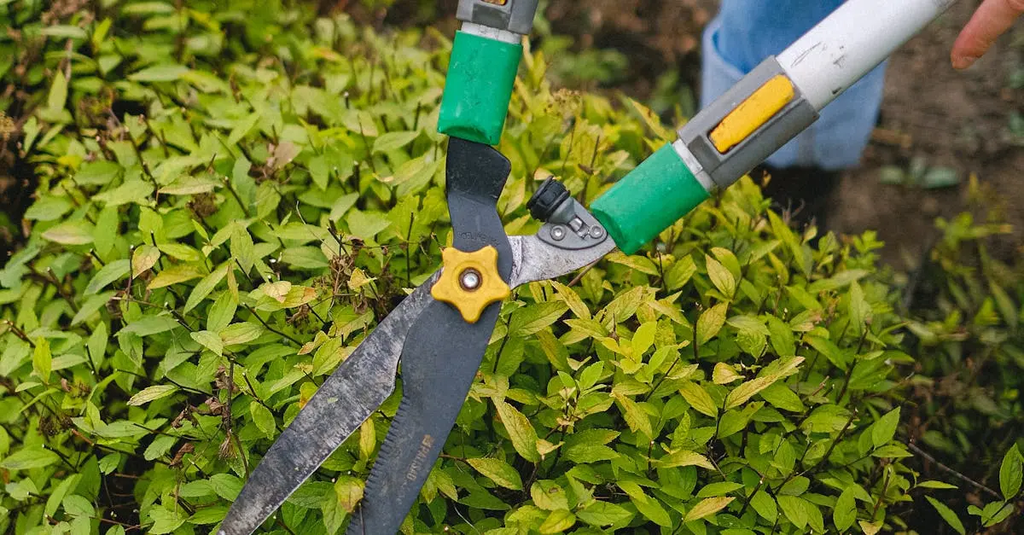
💡 Key Takeaways
- Identify the right mowing height and frequency for your grass to keep it healthy.
- Know how to water properly: how much and how often, plus signs of drought or overwatering.
- Understand fertilization basics: when to feed, what nutrients matter, and how to apply.
- Learn weed and pest control basics: common lawn problems and simple management strategies.
- Appreciate soil health, aeration, and overseeding to improve lawn density and resilience.
❓ Frequently Asked Questions
What is mowing height and why is it important?
Mowing at the proper height helps roots grow strong and reduces stress and disease. Cool-season grasses: 2.5-3.5 inches; warm-season grasses: 1.5-3 inches; never remove more than one third of the blade at a time.
How should you water a lawn for healthy roots?
Water deeply and infrequently to encourage deep roots. Aim about 1 inch per week (including rainfall) and water in the early morning to reduce evaporation and disease.
Why are soil health, aeration, and overseeding important?
Healthy soil supports strong growth; aeration relieves soil compaction and improves access to air, water, and nutrients. Overseeding fills thin areas and improves density; test soil pH and nutrients to guide amendments.
How can you manage weeds and pests effectively?
Maintain proper mowing, irrigation, and fertilization to reduce stress, and use targeted controls only when needed. Consider integrated pest management and identify problems before treating.